




-
NEWS
Why Prefabricated Substations Are the Future of Electrical Infrastructure
Release time:
2025-10-16
Why Prefabricated Substations Are the Future of Electrical Infrastructure Table of Contents 1. Introduction to Prefabricated Substations 2. Benefits of Prefabricated Substations 2.1 Cost-Effectiveness 2.2 Time Efficiency 2.3 Quality Control 3. Technological Innovations in Prefabricated Substations 3.1 Smart Tec
Why Prefabricated Substations Are the Future of Electrical Infrastructure
Table of Contents
- 1. Introduction to Prefabricated Substations
- 2. Benefits of Prefabricated Substations
- 3. Technological Innovations in Prefabricated Substations
- 4. The Sustainability Factor
- 5. Applications of Prefabricated Substations
- 6. Challenges Faced in Prefabricated Substations
- 7. Case Studies: Success Stories of Prefabricated Substations
- 8. The Future of Electrical Infrastructure with Prefabricated Substations
- 9. Conclusion
- 10. FAQs
1. Introduction to Prefabricated Substations
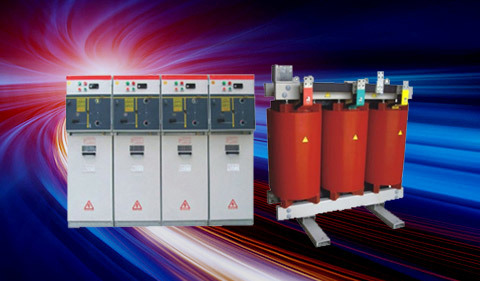
Prefabricated substations represent a **revolutionary approach** to electrical infrastructure, addressing the increasing demand for efficient, reliable, and environmentally friendly energy solutions. With the rising complexity of electrical grids and the shift towards renewable energy sources, prefabricated substations emerge as a practical solution that combines innovation with functionality.
These facilities, constructed off-site and assembled rapidly on location, are designed to streamline the delivery of electrical power and enhance the reliability of power distribution systems. By integrating cutting-edge technology and innovative design, prefabricated substations are poised to redefine how we understand and manage electrical infrastructure.
2. Benefits of Prefabricated Substations
2.1 Cost-Effectiveness
One of the most significant advantages of prefabricated substations is their **cost-effectiveness**. Traditional substations entail extensive site preparation, prolonged construction times, and unexpected expenses. In contrast, prefabricated substations simplify the building process, leading to reduced labor costs and minimized on-site disruption. Moreover, the controlled manufacturing environment ensures that materials are used efficiently, reducing waste and overall expenses.
2.2 Time Efficiency
Time efficiency is critical in today’s fast-paced energy landscape. Prefabricated substations can be designed, manufactured, and deployed within much shorter time frames than their conventional counterparts. The off-site construction process allows for parallel tasking, meaning that while the substation is being built, site preparation can simultaneously take place. This synergy results in significantly shorter project timelines, enabling utility companies to meet increasing energy demands swiftly.
2.3 Quality Control
Quality control is paramount in electrical infrastructure. Prefabricated substations are manufactured in controlled environments, where rigorous quality checks can be implemented at every stage of production. This approach not only ensures that each component meets industry standards but also results in enhanced durability and reliability. The consistent quality of prefabricated units translates into fewer failures and maintenance requirements, which ultimately benefits end-users and utility providers alike.
3. Technological Innovations in Prefabricated Substations
3.1 Smart Technology Integration
The integration of **smart technology** is revolutionizing prefabricated substations. With the advent of the Internet of Things (IoT), these substations can now incorporate advanced monitoring systems that provide real-time data on energy consumption and grid performance. This data is invaluable for utility operators, allowing them to optimize performance, predict maintenance needs, and quickly respond to outages.
Smart technology enhances operational efficiency and supports the transition towards more sustainable energy practices. For instance, the ability to monitor energy usage helps in the integration of renewable energy sources, ensuring that substations can accommodate fluctuating energy inputs.
3.2 Modular Design Benefits
The **modular design** of prefabricated substations allows for easy customization and scalability. These systems can be tailored to fit specific energy needs and can be expanded or modified as demand changes. This flexibility is crucial in an era where energy consumption patterns are rapidly evolving, enabling utility companies to adapt quickly without incurring significant costs or delays.
Furthermore, modular designs facilitate easy transport and installation, making them ideal for remote or challenging locations. Utility providers can deploy substations in areas that may have been previously considered impractical due to logistical challenges.
4. The Sustainability Factor
Sustainability is at the forefront of energy infrastructure development. Prefabricated substations contribute significantly to green initiatives by minimizing the environmental impact of construction. The off-site manufacturing process reduces on-site waste and carbon emissions associated with traditional construction methods.
Additionally, when combined with renewable energy sources, prefabricated substations support the transition to sustainable energy systems. Their design can accommodate solar panels and wind turbines, facilitating a move towards greener energy alternatives. By integrating these solutions, prefabricated substations play a crucial role in building a more sustainable future.
5. Applications of Prefabricated Substations
Prefabricated substations find applications across various sectors. They are particularly useful in:
- **Urban Development Projects**: As cities grow, the need for robust electrical infrastructure increases. Prefabricated substations can be seamlessly integrated into urban environments where space is often limited.
- **Renewable Energy Sites**: Wind farms and solar parks can benefit from prefabricated substations, which can be quickly deployed to connect renewable energy sources to the grid.
- **Emergency Response**: In disaster-stricken areas, prefabricated substations can be rapidly deployed to restore power, showcasing their flexibility and adaptability in critical situations.
- **Military Applications**: The modularity and quick setup of these substations make them ideal for military operations, where reliable energy sources are crucial.
6. Challenges Faced in Prefabricated Substations
Despite their advantages, prefabricated substations are not without challenges. Key issues include:
- **Initial Costs**: Although prefabricated substations can be cost-effective in the long run, the initial investment can be higher than traditional options. This can deter some utility providers from adopting this innovative solution.
- **Site-Specific Customization**: While modular designs offer flexibility, specific site requirements may necessitate custom adaptations, potentially complicating the design process.
- **Regulatory Approvals**: Navigating the regulatory landscape can be complex for prefabricated substations, as different regions have varying standards and requirements.
Addressing these challenges requires collaboration among utility companies, manufacturers, and regulatory bodies to create streamlined processes that facilitate the adoption of prefabricated substations.
7. Case Studies: Success Stories of Prefabricated Substations
Examining successful implementations of prefabricated substations provides insight into their effectiveness. For instance, in [Country/City], a utility company deployed prefabricated substations to enhance service delivery in underserved regions. The project resulted in a [specific benefit, e.g., 30% reduction in installation time and 25% cost savings].
Another noteworthy example is the integration of prefabricated substations in renewable energy projects, where they have been used to connect wind farms to the grid, significantly increasing the capacity for renewable energy integration and reducing reliance on fossil fuels.
These case studies demonstrate the practical benefits of prefabricated substations, showcasing their role in modern electrical infrastructure.
8. The Future of Electrical Infrastructure with Prefabricated Substations
The future of electrical infrastructure is undeniably tied to the widespread adoption of prefabricated substations. As energy demands continue to rise and the push for sustainable practices intensifies, these innovative solutions are poised to become a cornerstone of modern energy systems.
Advancements in technology will further enhance the capabilities of prefabricated substations, allowing for even greater efficiency and reliability. The integration of renewable energy sources, smart grid technology, and advanced monitoring systems will make these substations not only a viable option but potentially the preferred choice for utility providers around the globe.
9. Conclusion
Prefabricated substations represent a **game-changing development** in electrical infrastructure. Their cost-effectiveness, time efficiency, and adaptability make them particularly suited to meet the evolving demands of energy distribution. As we move towards a more sustainable and technologically advanced energy landscape, these substations will play an essential role in shaping the future of electrical systems globally.
Embracing prefabricated substations allows utility companies to respond to challenges more effectively and efficiently. The potential for integration with smart technologies and renewable energy sources only strengthens their position as integral components of modern electrical infrastructure.
10. FAQs
What are prefabricated substations?
Prefabricated substations are pre-manufactured electrical facilities that are assembled off-site and transported to the installation location, designed for efficient power distribution.
How do prefabricated substations save time?
They save time because they are constructed in a controlled environment, allowing for simultaneous site preparation and assembly, resulting in shorter project timelines.
Are prefabricated substations cost-effective?
Yes, they are generally more cost-effective than traditional substations due to reduced labor costs, minimized on-site disruption, and efficient use of materials.
Can prefabricated substations integrate with renewable energy?
Absolutely! Prefabricated substations can be designed to accommodate renewable energy sources like solar and wind, facilitating the transition to sustainable energy systems.
What challenges do prefabricated substations face?
Challenges include higher initial costs, site-specific customization needs, and navigating regulatory approvals, which can complicate their adoption.
What does the future hold for prefabricated substations?
The future looks promising as advancements in technology, increased demand for renewable energy, and the need for efficient infrastructure will likely drive the adoption of prefabricated substations globally.
Related News
Nantong Longxiang Electrical Equipment Co., Ltd.

sweep, mobile version!
Copyright©2024 Nantong Longxiang Electrical Equipment Co., Ltd. 丨Tag l Powered by 300.cn
 86-13057026999