




-
NEWS
The Future of Power Distribution: Three-Phase Resin Insulated Dry Transformers
Release time:
2026-08-25
The Future of Power Distribution: Three-Phase Resin Insulated Dry Transformers Introduction to Power Distribution Technologies Power distribution plays a pivotal role in the modern electrical grid, ensuring that energy flows efficiently from generation points to end users. As energy demands grow and environmental considerations become more critical, innovative technologies such as three-phase resi
The Future of Power Distribution: Three-Phase Resin Insulated Dry Transformers
Introduction to Power Distribution Technologies
Power distribution plays a pivotal role in the modern electrical grid, ensuring that energy flows efficiently from generation points to end users. As energy demands grow and environmental considerations become more critical, innovative technologies such as three-phase resin insulated dry transformers are reshaping the future of power distribution. This article delves into the advantages and applications of these transformers, highlighting their significance in contemporary energy systems.
Understanding Transformer Technology: A Core Component of Power Distribution
Transformers serve as a crucial link in the electrical distribution network. They step up or step down voltage levels to facilitate efficient energy transmission. The introduction of dry transformers, particularly resin insulated types, has revolutionized how we manage electrical distribution.
What are Resin Insulated Dry Transformers?
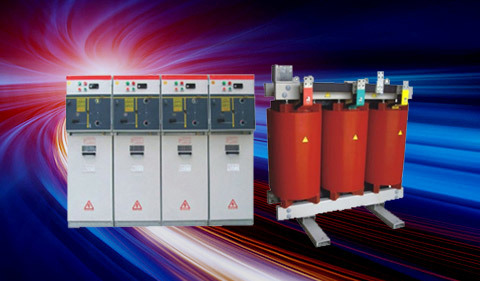
Resin insulated dry transformers are electrical devices designed to operate without the need for liquid coolant. Instead, they utilize a resin insulation system that provides excellent dielectric properties and environmental resistance. This design reduces the risk of leakage and minimizes maintenance needs, making them an attractive option for various applications.
The Importance of Three-Phase Systems
Three-phase power systems are prevalent in industrial and commercial applications due to their efficiency in power transmission. They can deliver more power using less conductor material compared to single-phase systems. This efficiency translates to lower operational costs for businesses and a more reliable power supply.
Advantages of Three-Phase Resin Insulated Dry Transformers
Three-phase resin insulated dry transformers offer a range of benefits that contribute to their growing popularity in power distribution systems.
1. Enhanced Safety Features
Safety is paramount in electrical installations. The use of resin insulation eliminates the risk of leakage that can occur with liquid-insulated transformers. This characteristic makes these transformers ideal for use in confined spaces or environmentally sensitive areas. Additionally, they are non-flammable and pose less risk of electrical hazards.
2. Environmental Sustainability
As global awareness of environmental issues increases, the demand for greener technologies rises. Resin insulated dry transformers are designed with eco-friendly materials, free from harmful substances, and promote sustainability through their energy-efficient operation. Their compact design also reduces material usage during manufacturing, further minimizing their environmental footprint.
3. Low Maintenance Requirements
Traditional transformers often require significant maintenance due to potential leaks and insulation degradation. In contrast, resin insulated dry transformers are virtually maintenance-free, thanks to their robust insulation system. This reliability leads to reduced downtime and lower operational costs for businesses.
4. Versatility in Applications
These transformers can be used in various applications, including industrial plants, commercial buildings, and renewable energy systems. Their adaptability to different environments and configurations makes them an ideal choice for diverse power distribution needs.
5. Improved Efficiency and Performance
Three-phase resin insulated dry transformers are designed to optimize energy efficiency. Their construction minimizes energy losses, resulting in lower operational costs and enhanced performance over time. This efficiency is crucial as industries seek to reduce energy consumption and improve productivity.
Key Applications of Three-Phase Resin Insulated Dry Transformers
The versatility of three-phase resin insulated dry transformers is evident across several sectors. Their applications span various industries, ensuring reliable power distribution for critical systems.
1. Industrial Manufacturing
In manufacturing settings, consistent and reliable power supply is vital for operational efficiency. These transformers are often used to power machinery, ensuring smooth operations and minimal disruptions.
2. Commercial Buildings
In commercial applications, such as office buildings and retail spaces, three-phase resin insulated dry transformers provide the necessary voltage transformation for lighting, heating, and other electrical systems. Their compact design allows for easy installation in space-constrained environments.
3. Renewable Energy Systems
As the world shifts towards sustainable energy sources, three-phase resin insulated dry transformers play a crucial role in integrating renewable energy systems like solar and wind power into the grid. Their efficiency and reliability enhance the performance of these systems, making them essential for the future of energy.
4. Transportation Infrastructure
Transport systems, including railways and airports, require reliable power distribution for signaling, lighting, and operational systems. Three-phase resin insulated dry transformers ensure that these critical infrastructures receive uninterrupted power, enhancing safety and efficiency.
Installation Considerations for Three-Phase Resin Insulated Dry Transformers
Installing three-phase resin insulated dry transformers requires careful planning and consideration to ensure optimal performance and safety.
1. Site Assessment
Before installation, a thorough site assessment is essential. Factors such as space availability, load requirements, and environmental conditions should be evaluated to determine the appropriate transformer size and configuration.
2. Electrical Considerations
Proper electrical connections are critical for the safe operation of transformers. Working with qualified electrical engineers ensures that the installation meets all regulatory standards and safety protocols.
3. Compliance with Standards
It is crucial to adhere to local and international standards when installing transformers. Compliance with standards such as IEC and IEEE ensures that the equipment operates safely and efficiently.
4. Testing and Commissioning
Upon installation, comprehensive testing should be conducted to verify the functionality and safety of the transformer. This process includes insulation resistance testing, power factor testing, and load testing.
Future Trends in Power Distribution and Transformer Technology
As technology evolves, the future of power distribution will likely see further advancements in transformer technology, including smart transformers and enhanced connectivity features.
1. Integration with Smart Grid Technology
The integration of three-phase resin insulated dry transformers with smart grid technology will enable real-time monitoring and control of electrical distribution systems. This evolution aims to enhance efficiency and reliability while reducing operational costs.
2. Increased Focus on Energy Efficiency
With growing concerns about energy consumption, the emphasis on energy-efficient transformers will increase. Future designs will likely prioritize minimized energy losses and improved performance metrics.
3. Development of Innovative Materials
Research into advanced materials for insulation and construction will continue, leading to transformers that are even more efficient and environmentally friendly. Innovations may include biodegradable materials and nanotechnology enhancements.
Frequently Asked Questions (FAQs)
1. What is the lifespan of a three-phase resin insulated dry transformer?
The lifespan of a well-maintained three-phase resin insulated dry transformer can exceed 30 years, depending on usage and environmental conditions.
2. Are resin insulated dry transformers more expensive than traditional transformers?
While the initial investment may be higher, the reduced maintenance costs and increased efficiency often lead to lower total lifetime costs.
3. Can these transformers be used in outdoor installations?
Yes, three-phase resin insulated dry transformers are designed to withstand various environmental conditions, making them suitable for outdoor installations when properly housed.
4. How do I know if a three-phase resin insulated dry transformer is right for my application?
Consulting with an electrical engineer or transformer specialist can help assess your specific needs and determine the best solution for your application.
5. What maintenance is required for resin insulated dry transformers?
These transformers are low-maintenance; regular visual inspections and occasional testing are typically sufficient to ensure their reliability and performance.
Conclusion
The evolution of power distribution systems is fundamentally linked to advancements in transformer technology, particularly the rise of three-phase resin insulated dry transformers. Their numerous advantages, including enhanced safety, environmental sustainability, and low maintenance requirements, position them as a key component of modern electrical infrastructure. As we look to the future, the integration of these transformers with smart grid technology and ongoing innovations will continue to shape the energy landscape, ensuring reliable and efficient power distribution for a sustainable tomorrow.
Related News
Nantong Longxiang Electrical Equipment Co., Ltd.

sweep, mobile version!
Copyright©2024 Nantong Longxiang Electrical Equipment Co., Ltd. 丨Tag l Powered by 300.cn
Business License
 86-13057026999