




-
NEWS
Understanding the Importance and Functionality of Three-Phase Transformers
Release time:
2025-10-03
Three-phase transformers are critical components in modern electrical power systems, primarily used for the transmission and distribution of electricity. Unlike single-phase transformers, three-phase transformers utilize three sets of coils or windings, allowing them to handle larger loads and provide more efficient energy transfer. This makes them particularly well-suited for industrial and comme
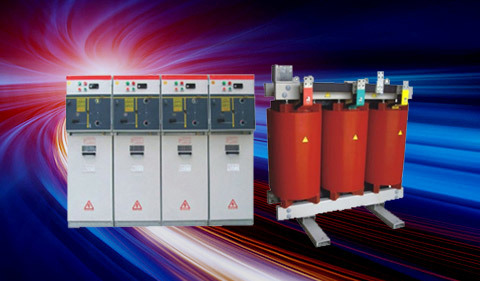
Three-phase transformers are critical components in modern electrical power systems, primarily used for the transmission and distribution of electricity. Unlike single-phase transformers, three-phase transformers utilize three sets of coils or windings, allowing them to handle larger loads and provide more efficient energy transfer. This makes them particularly well-suited for industrial and commercial applications where high power demands are common.
One of the key advantages of three-phase transformers is their ability to maintain a balanced load across all three phases. This balanced distribution reduces the overall stress on the electrical system, leading to increased reliability and efficiency. When loads are balanced, the transformer can operate at optimal performance, minimizing losses that can occur due to imbalances. This not only enhances the lifespan of the equipment but also contributes to significant cost savings in energy usage.
Another important aspect of three-phase transformers is their versatility. They can be configured in various ways, including delta or wye (star) connections, each offering distinct advantages depending on the specific application. For instance, a delta configuration can provide higher starting torque for motors, making it ideal for industrial settings where heavy machinery is used. On the other hand, a wye connection is beneficial for providing a neutral point, making it suitable for resistive loads and grounding purposes.
Three-phase transformers also play a crucial role in voltage regulation. By stepping up or stepping down voltage levels, they ensure that electrical energy is transmitted efficiently across long distances without significant losses. This is particularly important in large power distribution networks, where maintaining voltage levels within acceptable limits is crucial for the safety and functionality of electrical devices.
Moreover, three-phase transformers contribute to improved power quality. They help mitigate issues such as voltage dips, flicker, and harmonics, which can adversely affect sensitive electronic equipment. By employing three-phase transformers, industries can ensure a more stable power supply, enhancing the performance and reliability of their operations.
In summary, three-phase transformers are indispensable in today's electrical systems. Their ability to balance loads, provide flexibility in configuration, regulate voltage, and improve power quality makes them vital for efficient energy distribution. Understanding the functionality and benefits of three-phase transformers is essential for anyone involved in the electrical engineering and power distribution sectors, as they play a fundamental role in the reliability and efficiency of electrical systems.
One of the key advantages of three-phase transformers is their ability to maintain a balanced load across all three phases. This balanced distribution reduces the overall stress on the electrical system, leading to increased reliability and efficiency. When loads are balanced, the transformer can operate at optimal performance, minimizing losses that can occur due to imbalances. This not only enhances the lifespan of the equipment but also contributes to significant cost savings in energy usage.
Another important aspect of three-phase transformers is their versatility. They can be configured in various ways, including delta or wye (star) connections, each offering distinct advantages depending on the specific application. For instance, a delta configuration can provide higher starting torque for motors, making it ideal for industrial settings where heavy machinery is used. On the other hand, a wye connection is beneficial for providing a neutral point, making it suitable for resistive loads and grounding purposes.
Three-phase transformers also play a crucial role in voltage regulation. By stepping up or stepping down voltage levels, they ensure that electrical energy is transmitted efficiently across long distances without significant losses. This is particularly important in large power distribution networks, where maintaining voltage levels within acceptable limits is crucial for the safety and functionality of electrical devices.
Moreover, three-phase transformers contribute to improved power quality. They help mitigate issues such as voltage dips, flicker, and harmonics, which can adversely affect sensitive electronic equipment. By employing three-phase transformers, industries can ensure a more stable power supply, enhancing the performance and reliability of their operations.
In summary, three-phase transformers are indispensable in today's electrical systems. Their ability to balance loads, provide flexibility in configuration, regulate voltage, and improve power quality makes them vital for efficient energy distribution. Understanding the functionality and benefits of three-phase transformers is essential for anyone involved in the electrical engineering and power distribution sectors, as they play a fundamental role in the reliability and efficiency of electrical systems.
Related News
Nantong Longxiang Electrical Equipment Co., Ltd.

sweep, mobile version!
Copyright©2024 Nantong Longxiang Electrical Equipment Co., Ltd. 丨Tag l Powered by 300.cn
Business License
 86-13057026999