




-
NEWS
Understanding Combined Transformers: A Comprehensive Overview for Electrical Professionals
Release time:
2025-10-17
Combined transformers, also known as integrated transformers, play a crucial role in the electrical engineering sector, particularly in power distribution systems. These devices are designed to combine multiple functions that typically require separate transformer units into a single, compact solution. This integration can significantly enhance efficiency, reduce space requirements, and simplify i
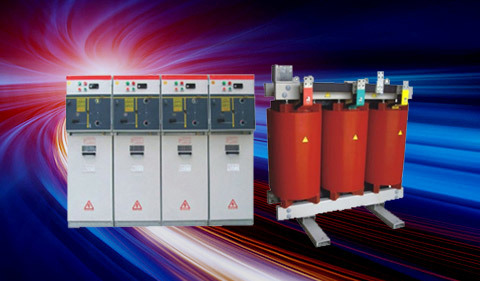
Combined transformers, also known as integrated transformers, play a crucial role in the electrical engineering sector, particularly in power distribution systems. These devices are designed to combine multiple functions that typically require separate transformer units into a single, compact solution. This integration can significantly enhance efficiency, reduce space requirements, and simplify installation processes.
One of the key advantages of a combined transformer is its ability to perform dual roles, such as stepping down voltage while also providing isolation. For instance, a combined transformer might function as a step-down transformer, converting high voltage from transmission lines to a lower voltage suitable for distribution, while simultaneously serving as an isolation transformer to protect against electrical faults and ensure system reliability. This dual functionality is particularly valuable in industrial applications where space is limited and efficiency is paramount.
Additionally, combined transformers are often employed in renewable energy systems, such as solar and wind power installations. In these applications, they can facilitate the integration of generated power into the existing grid while managing voltage levels and ensuring compliance with safety standards. Their versatility allows them to adapt to various power demands and configurations, making them essential in today's evolving energy landscape.
From an engineering perspective, the design of combined transformers must take into account various factors to optimize their performance. This includes considerations of core material, winding configurations, and thermal management. The choice of materials affects not only the efficiency of the transformer but also its longevity and operational reliability. A well-designed combined transformer can minimize losses, improve thermal performance, and enhance overall system stability.
Furthermore, maintenance and monitoring of combined transformers are crucial for ensuring their continued operation. Regular inspections can help identify potential issues before they escalate, reducing downtime and maintenance costs. Advanced monitoring technologies, such as sensors and IoT connectivity, are increasingly being integrated into combined transformers to provide real-time data on performance and health, allowing for more proactive management.
In conclusion, combined transformers represent a significant innovation in the field of electrical engineering, offering enhanced functionality, efficiency, and adaptability. Their ability to integrate multiple roles into a single unit makes them an invaluable asset in modern power systems, particularly in the context of evolving energy demands and sustainability goals. As the industry continues to advance, understanding the principles and applications of combined transformers will be essential for professionals aiming to optimize electrical systems and infrastructure.
One of the key advantages of a combined transformer is its ability to perform dual roles, such as stepping down voltage while also providing isolation. For instance, a combined transformer might function as a step-down transformer, converting high voltage from transmission lines to a lower voltage suitable for distribution, while simultaneously serving as an isolation transformer to protect against electrical faults and ensure system reliability. This dual functionality is particularly valuable in industrial applications where space is limited and efficiency is paramount.
Additionally, combined transformers are often employed in renewable energy systems, such as solar and wind power installations. In these applications, they can facilitate the integration of generated power into the existing grid while managing voltage levels and ensuring compliance with safety standards. Their versatility allows them to adapt to various power demands and configurations, making them essential in today's evolving energy landscape.
From an engineering perspective, the design of combined transformers must take into account various factors to optimize their performance. This includes considerations of core material, winding configurations, and thermal management. The choice of materials affects not only the efficiency of the transformer but also its longevity and operational reliability. A well-designed combined transformer can minimize losses, improve thermal performance, and enhance overall system stability.
Furthermore, maintenance and monitoring of combined transformers are crucial for ensuring their continued operation. Regular inspections can help identify potential issues before they escalate, reducing downtime and maintenance costs. Advanced monitoring technologies, such as sensors and IoT connectivity, are increasingly being integrated into combined transformers to provide real-time data on performance and health, allowing for more proactive management.
In conclusion, combined transformers represent a significant innovation in the field of electrical engineering, offering enhanced functionality, efficiency, and adaptability. Their ability to integrate multiple roles into a single unit makes them an invaluable asset in modern power systems, particularly in the context of evolving energy demands and sustainability goals. As the industry continues to advance, understanding the principles and applications of combined transformers will be essential for professionals aiming to optimize electrical systems and infrastructure.
Related News
Nantong Longxiang Electrical Equipment Co., Ltd.

sweep, mobile version!
Copyright©2024 Nantong Longxiang Electrical Equipment Co., Ltd. 丨Tag l Powered by 300.cn
Business License
 86-13057026999