




-
NEWS
Understanding Three-Phase Transformers: Essential Knowledge for Electrical Professionals
Release time:
2025-10-21
Three-phase transformers are crucial components in the electrical power distribution system, designed to handle three-phase electric power. Unlike single-phase transformers, which use two windings to transfer energy, three-phase transformers typically consist of three sets of primary and secondary windings. These windings can be arranged in various configurations such as delta (Δ) and wye (Y), eac
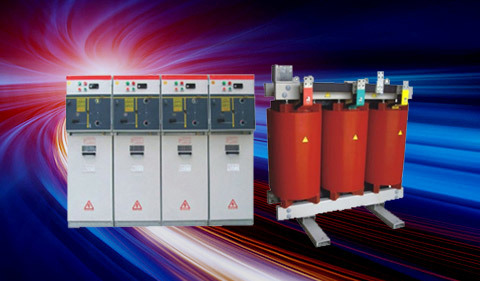
Three-phase transformers are crucial components in the electrical power distribution system, designed to handle three-phase electric power. Unlike single-phase transformers, which use two windings to transfer energy, three-phase transformers typically consist of three sets of primary and secondary windings. These windings can be arranged in various configurations such as delta (Δ) and wye (Y), each offering distinct advantages depending on the application.
One of the primary benefits of using a three-phase transformer is its ability to efficiently transfer power. This efficiency is particularly advantageous in industrial applications where large amounts of power are required. By utilizing three-phase power, the transformer can deliver a more consistent and balanced load, reducing the risk of overload and improving overall system stability.
Moreover, three-phase transformers can serve multiple purposes, such as stepping up or stepping down voltage levels to meet specific requirements. For instance, in power generation, high voltage is often necessary for transmission over long distances to minimize losses. A three-phase transformer can effectively reduce this voltage to safer levels for distribution to end-users.
Another important factor to consider is the enhanced performance of three-phase transformers in terms of size and weight. When compared to an equivalent number of single-phase transformers, a three-phase transformer can accomplish the same task in a more compact form. This space efficiency can lead to significant cost savings in infrastructure and installation, making it an ideal choice for many power systems.
Moreover, three-phase transformers exhibit better voltage regulation and lower losses, which are critical attributes for maintaining power quality. Because the power is balanced across three phases, the transformer experiences reduced magnetizing currents and improved thermal performance, contributing to its longevity and reliability.
In addition to their operational benefits, three-phase transformers are also integral to various applications. They are commonly used in industrial settings, substations, and commercial buildings, facilitating the efficient distribution of electricity. Furthermore, their versatility allows for integration with renewable energy systems, such as wind and solar power, where stable electricity generation is essential.
As the demand for electricity continues to grow, understanding the principles and advantages of three-phase transformers becomes increasingly important for professionals in the electrical engineering field. Mastery of this technology not only contributes to better design and implementation of electrical systems but also enhances safety and efficiency in power distribution.
In conclusion, three-phase transformers are indispensable in the modern electrical landscape. Their ability to efficiently manage power distribution, coupled with their adaptability for various applications, makes them a vital topic for any electrical professional to grasp. Understanding these transformers can lead to more effective designs and improved energy management in a rapidly evolving industry.
One of the primary benefits of using a three-phase transformer is its ability to efficiently transfer power. This efficiency is particularly advantageous in industrial applications where large amounts of power are required. By utilizing three-phase power, the transformer can deliver a more consistent and balanced load, reducing the risk of overload and improving overall system stability.
Moreover, three-phase transformers can serve multiple purposes, such as stepping up or stepping down voltage levels to meet specific requirements. For instance, in power generation, high voltage is often necessary for transmission over long distances to minimize losses. A three-phase transformer can effectively reduce this voltage to safer levels for distribution to end-users.
Another important factor to consider is the enhanced performance of three-phase transformers in terms of size and weight. When compared to an equivalent number of single-phase transformers, a three-phase transformer can accomplish the same task in a more compact form. This space efficiency can lead to significant cost savings in infrastructure and installation, making it an ideal choice for many power systems.
Moreover, three-phase transformers exhibit better voltage regulation and lower losses, which are critical attributes for maintaining power quality. Because the power is balanced across three phases, the transformer experiences reduced magnetizing currents and improved thermal performance, contributing to its longevity and reliability.
In addition to their operational benefits, three-phase transformers are also integral to various applications. They are commonly used in industrial settings, substations, and commercial buildings, facilitating the efficient distribution of electricity. Furthermore, their versatility allows for integration with renewable energy systems, such as wind and solar power, where stable electricity generation is essential.
As the demand for electricity continues to grow, understanding the principles and advantages of three-phase transformers becomes increasingly important for professionals in the electrical engineering field. Mastery of this technology not only contributes to better design and implementation of electrical systems but also enhances safety and efficiency in power distribution.
In conclusion, three-phase transformers are indispensable in the modern electrical landscape. Their ability to efficiently manage power distribution, coupled with their adaptability for various applications, makes them a vital topic for any electrical professional to grasp. Understanding these transformers can lead to more effective designs and improved energy management in a rapidly evolving industry.
Related News
Nantong Longxiang Electrical Equipment Co., Ltd.

sweep, mobile version!
Copyright©2024 Nantong Longxiang Electrical Equipment Co., Ltd. 丨Tag l Powered by 300.cn
Business License
 86-13057026999