




-
NEWS
A Comprehensive Exploration of Combined Transformers: Operating Principles and Applications
Release time:
2025-10-26
A Comprehensive Exploration of Combined Transformers: Operating Principles and Applications Table of Contents 1. Introduction to Combined Transformers 2. What Are Combined Transformers? 3. Operating Principles of Combined Transformers 3.1 Basic Principles of Electromagnetism 3.2 Design Elements of Combined Transformers 3.3 Core Materials and Their Impact 4. Typ
A Comprehensive Exploration of Combined Transformers: Operating Principles and Applications
Table of Contents
- 1. Introduction to Combined Transformers
- 2. What Are Combined Transformers?
- 3. Operating Principles of Combined Transformers
- 3.1 Basic Principles of Electromagnetism
- 3.2 Design Elements of Combined Transformers
- 3.3 Core Materials and Their Impact
- 4. Types of Combined Transformers
- 5. Applications of Combined Transformers
- 6. Advantages of Using Combined Transformers
- 7. Maintenance and Best Practices
- 8. Frequently Asked Questions
- 9. Conclusion
1. Introduction to Combined Transformers
In the realm of electrical engineering, **combined transformers** play a pivotal role in the efficient transfer of electrical energy. These devices not only adjust voltage levels but also serve various functions essential for the stability and reliability of power systems. Understanding their operating principles is crucial for professionals in the industry.
2. What Are Combined Transformers?
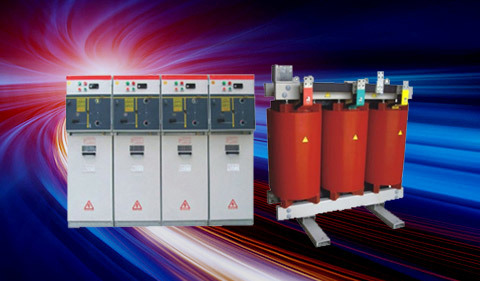
Combined transformers are specialized electrical devices designed to serve multiple functions simultaneously. Typically, they are used for both voltage transformation and electrical isolation. They ensure that electrical systems operate efficiently and safely, providing essential support to power distribution networks.
3. Operating Principles of Combined Transformers
At the heart of combined transformers lies the intricate interaction of electromagnetic principles. These principles govern how electrical energy is converted and transferred between circuits.
3.1 Basic Principles of Electromagnetism
The foundational concept behind transformers is **electromagnetism**, which includes Faraday's Law of electromagnetic induction. When an alternating current (AC) flows through a coil, it generates a changing magnetic field. This field, when passed through a second coil (the secondary winding), induces a voltage, effectively transferring energy from the primary to the secondary circuit.
3.2 Design Elements of Combined Transformers
The design of combined transformers is critical to their performance. Key components include:
- **Primary and Secondary Windings:** These coils are essential for voltage transformation. The number of turns in each winding determines whether the transformer steps up or steps down the voltage.
- **Core Material:** The core, usually made of silicon steel or ferrite, enhances inductance and minimizes energy loss.
- **Insulation:** High-quality insulation materials ensure that energy transfers safely and efficiently.
3.3 Core Materials and Their Impact
The choice of core material significantly impacts the efficiency of combined transformers. Materials like silicon steel provide low hysteresis loss, enhancing performance. Ferrite cores, on the other hand, are utilized in high-frequency applications due to their high magnetic permeability.
4. Types of Combined Transformers
Understanding the various types of combined transformers is essential for their effective application in different electrical systems.
4.1 Step-Up and Step-Down Transformers
- **Step-Up Transformers:** These transformers increase voltage from primary to secondary. They are crucial in power generation, where electricity must be transmitted over long distances.
- **Step-Down Transformers:** Conversely, these decrease voltage, making electricity safe for residential or commercial use.
4.2 Auto-Transformers
Auto-transformers are a unique type of combined transformer that utilize a single winding for both primary and secondary operations. This design offers several benefits, including reduced size and cost, while maintaining efficiency.
5. Applications of Combined Transformers
Combined transformers have a wide range of applications across various sectors:
- **Power Generation and Distribution:** They are integral in maintaining voltage levels for efficient power transmission.
- **Industrial Machinery:** Used to supply machinery with the appropriate voltage.
- **Renewable Energy Systems:** They play a crucial role in integrating renewable sources into the grid, ensuring compatibility with existing infrastructure.
6. Advantages of Using Combined Transformers
The use of combined transformers offers several benefits:
- **Enhanced Efficiency:** These transformers minimize energy losses during voltage conversion.
- **Versatility:** Their multi-functional capabilities allow them to serve different roles in one unit.
- **Space-Saving Design:** Combined transformers often require less space compared to traditional transformers due to their efficient design.
7. Maintenance and Best Practices
To ensure optimal performance of combined transformers, regular maintenance is essential. Key practices include:
- **Routine Inspections:** Regular checks for signs of wear or damage can prevent failures.
- **Temperature Monitoring:** High temperatures can indicate problems; monitoring helps ensure the transformer operates within safe limits.
- **Cleaning:** Keeping the transformer clean from dust and debris can improve performance and longevity.
8. Frequently Asked Questions
1. What is the difference between a step-up and a step-down transformer?
Step-up transformers increase voltage, while step-down transformers decrease voltage. Their design elements dictate which function they serve.
2. How do combined transformers improve energy efficiency?
Combined transformers minimize energy loss during the voltage conversion process, ensuring more electricity reaches its destination effectively.
3. What are the common materials used for transformer cores?
Silicon steel and ferrite are common materials due to their magnetic properties and low energy loss characteristics.
4. How often should I perform maintenance on my transformer?
Routine maintenance should occur at least annually, but more frequent checks may be necessary depending on operational conditions.
5. Can combined transformers be used in renewable energy applications?
Yes, they are essential in integrating renewable energy sources, such as solar and wind, into existing power grids.
9. Conclusion
In summary, combined transformers are indispensable components in modern electrical systems. Their operational principles rooted in electromagnetic theory allow them to efficiently manage voltage levels across various applications. Understanding their design, functionality, and advantages enables electrical engineers and technicians to optimize their use, ensuring reliability and efficiency in power distribution networks. As the demand for energy continues to rise, mastering the principles of combined transformers will become increasingly vital in the pursuit of sustainable and efficient energy solutions.
Related News
Nantong Longxiang Electrical Equipment Co., Ltd.

sweep, mobile version!
Copyright©2024 Nantong Longxiang Electrical Equipment Co., Ltd. 丨Tag l Powered by 300.cn
Business License
 86-13057026999