




-
NEWS
The Science Behind Three-Phase Transformers: Why They Matter
Release time:
2025-10-30
The Science Behind Three-Phase Transformers: Why They Matter Table of Contents 1. Introduction to Three-Phase Transformers 2. Understanding Transformers: A Brief Overview 3. What is a Three-Phase Transformer? 4. Mechanics of Three-Phase Transformers 4.1 Construction and Design 4.2 Working Principle of Three-Phase Transformers 5. Advant
The Science Behind Three-Phase Transformers: Why They Matter
Table of Contents
- 1. Introduction to Three-Phase Transformers
- 2. Understanding Transformers: A Brief Overview
- 3. What is a Three-Phase Transformer?
- 4. Mechanics of Three-Phase Transformers
- 5. Advantages of Three-Phase Transformers
- 6. Applications of Three-Phase Transformers
- 7. Maintenance and Troubleshooting
- 8. Future Trends in Transformer Technology
- 9. Frequently Asked Questions
- 10. Conclusion
1. Introduction to Three-Phase Transformers
Three-phase transformers play a pivotal role in the realm of electrical engineering. They are essential components in the transmission and distribution of electrical energy, primarily used to step-up or step-down voltage in three-phase systems. Their design and functionality significantly contribute to the efficiency, reliability, and versatility of power systems. In this article, we will explore the science behind three-phase transformers, why they matter, and their various applications in today’s energy landscape.
2. Understanding Transformers: A Brief Overview
Transformers are electrical devices that transfer electrical energy between two or more circuits through electromagnetic induction. The basic principle of a transformer revolves around the transformation of voltage levels, enabling the efficient transmission of electricity over long distances. They are composed of two parts: the primary winding, which receives the input voltage, and the secondary winding, from which the output voltage is taken.
3. What is a Three-Phase Transformer?
A three-phase transformer is a specific type of transformer that operates using three alternating currents (AC) that are offset by 120 degrees in phase. This configuration allows for a more efficient and stable power supply. Three-phase transformers can be constructed as either delta or star configurations, each having its advantages depending on the application.
4. Mechanics of Three-Phase Transformers
Understanding the mechanics behind three-phase transformers is crucial for comprehending their importance in electrical systems.
4.1 Construction and Design
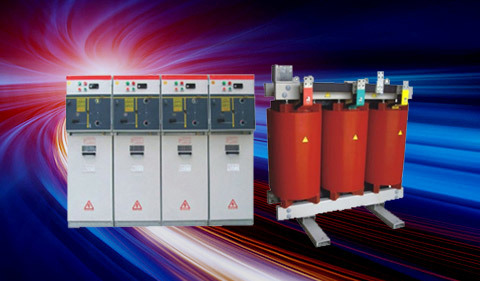
Three-phase transformers are designed with three sets of windings, corresponding to each phase of the AC supply. The windings are typically wound around a magnetic core made from laminated silicon steel to minimize energy losses due to eddy currents. The construction allows for a compact design, making it easier to install in various environments, from industrial plants to commercial buildings.
4.2 Working Principle of Three-Phase Transformers
The working principle of three-phase transformers is based on Faraday’s law of electromagnetic induction. When an alternating current flows through the primary winding, it generates a magnetic field that induces a voltage in the secondary winding. The voltage transformation ratio is determined by the number of turns in the windings. This principle not only enhances voltage levels but also ensures that power can be transmitted more efficiently over long distances.
5. Advantages of Three-Phase Transformers
Three-phase transformers offer several significant advantages, making them an indispensable part of modern electrical systems:
1. **Increased Efficiency**: By utilizing three-phase systems, transformers can deliver more power with less current compared to single-phase transformers, resulting in reduced energy losses.
2. **Smoother Operation**: The three-phase power supply provides a constant power delivery, minimizing fluctuations and providing a more stable operation for industrial machinery.
3. **Compact Size**: Three-phase transformers are generally smaller and lighter than their single-phase counterparts, making them easier to install and maintain.
4. **Cost-Effective**: While the initial investment might be higher, three-phase transformers offer long-term savings through reduced operational costs and greater efficiency.
6. Applications of Three-Phase Transformers
Three-phase transformers are utilized in various applications across multiple sectors:
1. **Industrial Applications**: Factories and manufacturing plants use three-phase transformers to power heavy machinery and equipment that require substantial electrical energy.
2. **Power Distribution**: Utilities deploy three-phase transformers in substations to step down high transmission voltages for local distribution.
3. **Renewable Energy**: In solar and wind energy systems, three-phase transformers convert generated energy to usable voltage levels for integration into the grid.
4. **HVAC Systems**: Heating, ventilation, and air conditioning systems often rely on three-phase transformers to operate efficiently and provide reliable service.
7. Maintenance and Troubleshooting
Proper maintenance of three-phase transformers is essential to ensure their longevity and performance. Regular inspections should include:
- Checking for overheating and unusual sounds.
- Monitoring oil levels and quality in oil-filled transformers.
- Inspecting connections for signs of wear or corrosion.
Troubleshooting common issues, such as loss of voltage or electrical buzzing, requires a systematic approach to identify potential problems. Engaging qualified electrical technicians for maintenance is essential to guarantee safety and reliability.
8. Future Trends in Transformer Technology
As electrical demand continues to grow, the transformer industry is evolving. Key trends include:
1. **Smart Transformers**: Incorporating IoT technology for real-time monitoring and diagnostics to enhance efficiency and reliability.
2. **Eco-Friendly Designs**: Developing transformers with sustainable materials and lower environmental impacts to align with global sustainability goals.
3. **Increased Automation**: Utilizing advanced control systems to optimize transformer operations and reduce manual intervention.
9. Frequently Asked Questions
What is the primary function of a three-phase transformer?
The primary function of a three-phase transformer is to step up or step down voltage levels in electrical systems while maintaining the efficiency and stability of power transmission.
What are the advantages of using three-phase transformers over single-phase transformers?
Three-phase transformers are more efficient, provide smoother operation, occupy less space, and are cost-effective in the long run compared to single-phase transformers.
How do I maintain a three-phase transformer?
Regular inspections, monitoring for overheating, checking oil levels, and ensuring proper connections are essential for maintaining a three-phase transformer.
What applications commonly use three-phase transformers?
Three-phase transformers are commonly used in industrial applications, power distribution, renewable energy systems, and HVAC systems.
What is the difference between delta and star configurations in three-phase transformers?
Delta configuration connects the windings in a triangular shape, while star configuration connects them in a Y shape. Delta is often used for industrial applications, while star is more common for distribution purposes.
10. Conclusion
Three-phase transformers are vital components in the efficient distribution of electrical energy across various applications. Their ability to enhance power delivery, improve efficiency, and provide stability cements their importance in modern electrical systems. As technology advances, the role of three-phase transformers will continue to evolve, driving innovations that further enhance their performance. Understanding the science behind these transformers empowers engineers and technicians to optimize their use, ensuring a reliable and sustainable energy future.
Related News
Nantong Longxiang Electrical Equipment Co., Ltd.

sweep, mobile version!
Copyright©2024 Nantong Longxiang Electrical Equipment Co., Ltd. 丨Tag l Powered by 300.cn
Business License
 86-13057026999