




-
NEWS
Understanding Combined Transformers: Essential Insights for Electrical Professionals
Release time:
2025-11-04
Combined transformers play a pivotal role in the electrical engineering industry, particularly in power distribution systems. These specialized devices serve the dual purpose of transforming voltage levels and providing essential electrical isolation. Understanding their configuration, functionality, and benefits can greatly enhance your operations in electrical projects. At the core of a combined
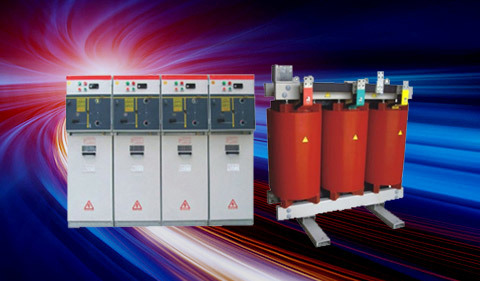
Combined transformers play a pivotal role in the electrical engineering industry, particularly in power distribution systems. These specialized devices serve the dual purpose of transforming voltage levels and providing essential electrical isolation. Understanding their configuration, functionality, and benefits can greatly enhance your operations in electrical projects.
At the core of a combined transformer’s design lies the integration of two primary functionalities—voltage transformation and circuit protection. By combining these elements into a single unit, combined transformers streamline installations and reduce the space needed for infrastructure. This integration not only minimizes installation time and costs but also enhances the overall efficiency of the power system.
One of the most significant advantages of combined transformers is their ability to provide a secure and reliable source of power. They are designed to handle varying loads and are often equipped with protective features, such as circuit breakers and fuse units. This integration ensures that the electrical system remains stable under fluctuating demand conditions while safeguarding against potential faults.
In terms of applications, combined transformers are commonly utilized in industrial settings, commercial buildings, and utility-scale energy projects. They facilitate the safe and efficient distribution of electricity from high-voltage sources to lower voltage levels that are suitable for end-user consumption. This makes them an integral component of substations and grid systems, where reliable power delivery is crucial.
Moreover, the compact design of combined transformers allows them to be installed in areas where space is at a premium. This factor is particularly beneficial in urban settings, where maximizing every square foot is essential. The reduced footprint of these transformers can lead to significant savings in infrastructure costs and overall project timelines.
Another key aspect to consider is the maintenance of combined transformers. Regular inspections and routine maintenance are vital to ensure that these devices operate at peak efficiency. Proper maintenance not only prolongs the lifespan of the transformer but also mitigates the risk of unexpected failures, which can lead to costly downtime and repairs.
In conclusion, combined transformers are a fundamental element of modern electrical systems, offering a multitude of benefits that enhance the reliability and efficiency of power distribution. By understanding their functions and applications, electrical professionals can make informed decisions when integrating these devices into their projects. As the demand for reliable power continues to grow, staying informed about advancements in transformer technology is essential for success in the electrical engineering field.
At the core of a combined transformer’s design lies the integration of two primary functionalities—voltage transformation and circuit protection. By combining these elements into a single unit, combined transformers streamline installations and reduce the space needed for infrastructure. This integration not only minimizes installation time and costs but also enhances the overall efficiency of the power system.
One of the most significant advantages of combined transformers is their ability to provide a secure and reliable source of power. They are designed to handle varying loads and are often equipped with protective features, such as circuit breakers and fuse units. This integration ensures that the electrical system remains stable under fluctuating demand conditions while safeguarding against potential faults.
In terms of applications, combined transformers are commonly utilized in industrial settings, commercial buildings, and utility-scale energy projects. They facilitate the safe and efficient distribution of electricity from high-voltage sources to lower voltage levels that are suitable for end-user consumption. This makes them an integral component of substations and grid systems, where reliable power delivery is crucial.
Moreover, the compact design of combined transformers allows them to be installed in areas where space is at a premium. This factor is particularly beneficial in urban settings, where maximizing every square foot is essential. The reduced footprint of these transformers can lead to significant savings in infrastructure costs and overall project timelines.
Another key aspect to consider is the maintenance of combined transformers. Regular inspections and routine maintenance are vital to ensure that these devices operate at peak efficiency. Proper maintenance not only prolongs the lifespan of the transformer but also mitigates the risk of unexpected failures, which can lead to costly downtime and repairs.
In conclusion, combined transformers are a fundamental element of modern electrical systems, offering a multitude of benefits that enhance the reliability and efficiency of power distribution. By understanding their functions and applications, electrical professionals can make informed decisions when integrating these devices into their projects. As the demand for reliable power continues to grow, staying informed about advancements in transformer technology is essential for success in the electrical engineering field.
Related News
Nantong Longxiang Electrical Equipment Co., Ltd.

sweep, mobile version!
Copyright©2024 Nantong Longxiang Electrical Equipment Co., Ltd. 丨Tag l Powered by 300.cn
Business License
 86-13057026999