




-
NEWS
Exploring the Efficiency of Three-Phase Resin Insulated Dry Transformers: Unveiling Performance, Benefits, and Applications
Release time:
2025-11-05
Exploring the Efficiency of Three-Phase Resin Insulated Dry Transformers Table of Contents Introduction to Three-Phase Resin Insulated Dry Transformers What Are Three-Phase Resin Insulated Dry Transformers? Advantages of Three-Phase Resin Insulated Dry Transformers Efficiency Parameters of Dry Transformers Applications of Three-Phase Resin Insulated Dry Transformers Comparison with Oi
Exploring the Efficiency of Three-Phase Resin Insulated Dry Transformers
Table of Contents
- Introduction to Three-Phase Resin Insulated Dry Transformers
- What Are Three-Phase Resin Insulated Dry Transformers?
- Advantages of Three-Phase Resin Insulated Dry Transformers
- Efficiency Parameters of Dry Transformers
- Applications of Three-Phase Resin Insulated Dry Transformers
- Comparison with Oil-Immersed Transformers
- Maintenance and Durability of Dry Transformers
- The Future of Three-Phase Resin Insulated Dry Transformers
- Frequently Asked Questions
- Conclusion
Introduction to Three-Phase Resin Insulated Dry Transformers
The **demand for efficient energy solutions** has led industries and power distribution networks to explore advanced transformer technologies. Among these, **three-phase resin insulated dry transformers** stand out due to their exceptional operational efficiency, safety, and minimal environmental impact. This article investigates the **efficiency** of these transformers, highlighting their advantages, applications, and how they outperform traditional oil-immersed transformers.
What Are Three-Phase Resin Insulated Dry Transformers?
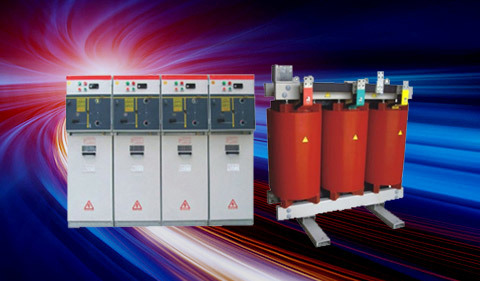
Three-phase resin insulated dry transformers are electrical devices designed to transfer electrical energy between circuits, primarily in three-phase power systems. Unlike traditional transformers that use oil for insulation and cooling, these dry transformers utilize **epoxy resin**, providing several benefits:
- **No Flammable Fluids**: The absence of oil eliminates fire hazards, making them ideal for **urban areas** and high-safety environments.
- **Compact Design**: Their smaller footprint allows for easier installation and reduced space requirements.
- **Improved Thermal Performance**: The resin insulation provides excellent heat dissipation, contributing to operational efficiency and longevity.
Advantages of Three-Phase Resin Insulated Dry Transformers
The efficiency of three-phase resin insulated dry transformers is underpinned by several key advantages:
1. Enhanced Safety Features
Without oil, the risk of leaks and environmental contamination is significantly reduced. This makes resin insulated transformers suitable for environments where safety is paramount, such as hospitals and chemical plants.
2. Low Maintenance Requirements
These transformers require less maintenance compared to their oil-immersed counterparts. The durable resin insulation resists moisture and corrosion, contributing to a longer lifespan.
3. Environmental Benefits
In an era focused on sustainability, resin insulated dry transformers promote eco-friendliness. Their production and operation involve fewer environmental concerns, supporting greener initiatives in energy consumption.
4. High Efficiency Ratings
Three-phase resin insulated dry transformers boast high efficiency ratings, achieving more than 98% efficiency under optimal conditions. This efficiency translates into reduced energy losses and lower operational costs.
Efficiency Parameters of Dry Transformers
Evaluating the efficiency of three-phase resin insulated dry transformers involves examining multiple parameters:
1. No-Load Losses
No-load losses occur when the transformer is energized but not supplying load. These losses are influenced by the materials used in the core and the design of the transformer.
2. Load Losses
Load losses happen when the transformer is under load. These losses are primarily caused by the resistance of the windings. Three-phase resin insulated transformers are designed to minimize these losses significantly.
3. Thermal Efficiency
Thermal management is crucial for efficiency. The excellent thermal properties of resin insulation ensure that the transformer operates within optimal temperature ranges, enhancing performance.
4. Overall Efficiency Ratings
Industry standards define efficiency ratings for transformers, which typically range from 95% to 99%. **Three-phase resin insulated dry transformers** tend to fall on the higher end of this spectrum, supporting energy savings for users.
Applications of Three-Phase Resin Insulated Dry Transformers
Three-phase resin insulated dry transformers find applications across various industries, including:
1. Commercial Buildings
These transformers are increasingly used in commercial buildings due to their space efficiency and safety features. They support lighting, HVAC, and other electrical systems.
2. Industrial Settings
Manufacturing plants and factories utilize these transformers for their reliability and efficiency in powering heavy-duty machinery.
3. Renewable Energy Systems
With the rise of renewable energy sources, dry transformers are essential in wind and solar energy systems, ensuring efficient energy transfer while minimizing environmental impact.
4. Data Centers
In data centers, the reliability of power supply is critical. The efficiency and safety of three-phase resin insulated dry transformers make them ideal for use in these facilities.
Comparison with Oil-Immersed Transformers
When comparing three-phase resin insulated dry transformers with traditional oil-immersed transformers, several factors come into play:
1. Safety
Resin insulated transformers present a lower fire risk compared to oil-immersed transformers. The use of non-flammable materials enhances safety in high-stakes environments.
2. Environmental Impact
Oil spills from traditional transformers can lead to environmental contamination. In contrast, dry transformers eliminate this risk, leading to a more sustainable solution.
3. Maintenance and Lifespan
While oil-immersed transformers require regular maintenance to monitor oil levels and quality, dry transformers have reduced maintenance needs, contributing to lower long-term costs.
4. Efficiency
Both transformer types offer high efficiency, but three-phase resin insulated dry transformers often achieve superior ratings due to their innovative design and materials.
Maintenance and Durability of Dry Transformers
One of the critical factors to consider when implementing transformers is their maintenance requirements and durability. Three-phase resin insulated dry transformers are known for their **robust construction** and resilience against environmental factors:
1. Insulation and Cooling
The epoxy resin insulation is resistant to moisture and contaminants. This feature not only enhances safety but also contributes to longevity, ensuring that the transformer operates optimally over time.
2. Inspection and Testing
Regular inspections are essential but minimal for dry transformers. Users can perform visual checks to ensure that there are no signs of wear or damage, making maintenance simpler and less frequent.
3. Lifespan Expectations
With proper installation and minimal maintenance, three-phase resin insulated dry transformers can last for several decades, offering a significant return on investment.
The Future of Three-Phase Resin Insulated Dry Transformers
As energy demands continue to evolve, three-phase resin insulated dry transformers are positioned to play a crucial role in the future of electrical distribution.
1. Advancements in Technology
Ongoing innovations in materials and design are expected to enhance the efficiency and reliability of dry transformers further. Research into smart technology integration could lead to more intelligent monitoring and management systems.
2. Growing Demand for Sustainability
With the global focus on reducing carbon footprints, the demand for environmentally friendly solutions will likely drive the adoption of three-phase resin insulated dry transformers.
3. Integration with Renewable Energy
As the shift towards renewable energy accelerates, these transformers will become increasingly critical in energy networks, facilitating the efficient transfer and distribution of green energy solutions.
Frequently Asked Questions
1. What is the difference between dry and oil-immersed transformers?
Dry transformers use resin insulation and are maintenance-free, while oil-immersed transformers use oil for cooling and insulation, requiring more upkeep and posing environmental risks.
2. Are three-phase resin insulated dry transformers more efficient?
Yes, they typically achieve efficiency ratings above 98%, significantly reducing energy losses compared to traditional transformers.
3. How long do dry transformers last?
With proper installation and minimal maintenance, they can last 30 years or more.
4. Can dry transformers be used outdoors?
While they are primarily designed for indoor use, some models can be adapted for outdoor applications with suitable enclosures.
5. What industries benefit the most from three-phase resin insulated dry transformers?
Industries such as commercial buildings, manufacturing, renewable energy, and data centers benefit significantly from these transformers due to their reliability and efficiency.
Conclusion
In conclusion, three-phase resin insulated dry transformers represent a **sophisticated solution** for modern electrical distribution needs. Their exceptional efficiency, safety features, and low maintenance requirements make them invaluable in various applications. As industries continue to prioritize sustainability and reliability, the future of these transformers looks promising, paving the way for a more efficient and environmentally friendly energy landscape. Transitioning to three-phase resin insulated dry transformers not only enhances operational efficiency but also supports a broader commitment to sustainability and safety.
Related News
Nantong Longxiang Electrical Equipment Co., Ltd.

sweep, mobile version!
Copyright©2024 Nantong Longxiang Electrical Equipment Co., Ltd. 丨Tag l Powered by 300.cn
 86-13057026999