




-
NEWS
Understanding Three-Phase Transformers: Essential Insights for Electrical Professionals
Release time:
2025-11-08
Three-phase transformers are integral components in electrical engineering, especially in power distribution and industrial electrical systems. They are designed to step up or step down voltage levels in three-phase power systems, which are widely used due to their efficiency and reliability. In contrast to single-phase transformers, three-phase transformers can handle larger loads and provide a m
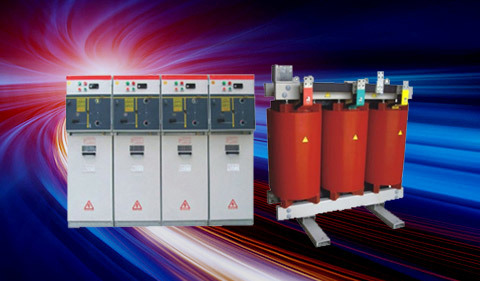
Three-phase transformers are integral components in electrical engineering, especially in power distribution and industrial electrical systems. They are designed to step up or step down voltage levels in three-phase power systems, which are widely used due to their efficiency and reliability. In contrast to single-phase transformers, three-phase transformers can handle larger loads and provide a more stable output, making them essential for electrical grids and large-scale industrial operations.
One of the primary advantages of three-phase transformers is their ability to balance loads. In a three-phase system, the power is distributed evenly across three wires, ensuring that no single phase is overloaded. This balance helps reduce losses and improves the overall efficiency of the electrical system. Additionally, three-phase transformers can help minimize the size and weight of electrical equipment, as they require less copper and iron than equivalent single-phase transformers.
Operationally, three-phase transformers can be configured in various ways, including delta and wye (star) configurations. The delta connection allows for higher current capacity and is often used in industrial applications, while the wye connection provides a neutral point and is commonly found in distribution systems. Understanding these configurations is crucial for ensuring proper installation and operation, as each has its distinct advantages and applications.
The applications of three-phase transformers span numerous industries, including manufacturing, commercial buildings, and power generation. In manufacturing settings, they are used to power large motors and machinery, which often require three-phase power for optimal performance. In commercial buildings, three-phase transformers can help manage the high-energy demands of HVAC systems and lighting. Moreover, in power generation, these transformers play a vital role in stepping up voltages for transmission over long distances, ensuring efficient delivery of electricity.
Maintenance and monitoring of three-phase transformers are vital for ensuring their longevity and reliability. Regular inspections, temperature monitoring, and insulation testing are essential practices that can help identify potential issues before they lead to failures. Implementing a routine maintenance schedule can significantly enhance the operational lifespan of these transformers.
In conclusion, three-phase transformers are essential for efficient power distribution and industrial applications. Their ability to balance loads and improve system performance makes them a cornerstone of modern electrical engineering. By understanding their configurations, applications, and maintenance needs, electrical professionals can ensure that these vital components function optimally, contributing to the overall effectiveness of electrical systems.
One of the primary advantages of three-phase transformers is their ability to balance loads. In a three-phase system, the power is distributed evenly across three wires, ensuring that no single phase is overloaded. This balance helps reduce losses and improves the overall efficiency of the electrical system. Additionally, three-phase transformers can help minimize the size and weight of electrical equipment, as they require less copper and iron than equivalent single-phase transformers.
Operationally, three-phase transformers can be configured in various ways, including delta and wye (star) configurations. The delta connection allows for higher current capacity and is often used in industrial applications, while the wye connection provides a neutral point and is commonly found in distribution systems. Understanding these configurations is crucial for ensuring proper installation and operation, as each has its distinct advantages and applications.
The applications of three-phase transformers span numerous industries, including manufacturing, commercial buildings, and power generation. In manufacturing settings, they are used to power large motors and machinery, which often require three-phase power for optimal performance. In commercial buildings, three-phase transformers can help manage the high-energy demands of HVAC systems and lighting. Moreover, in power generation, these transformers play a vital role in stepping up voltages for transmission over long distances, ensuring efficient delivery of electricity.
Maintenance and monitoring of three-phase transformers are vital for ensuring their longevity and reliability. Regular inspections, temperature monitoring, and insulation testing are essential practices that can help identify potential issues before they lead to failures. Implementing a routine maintenance schedule can significantly enhance the operational lifespan of these transformers.
In conclusion, three-phase transformers are essential for efficient power distribution and industrial applications. Their ability to balance loads and improve system performance makes them a cornerstone of modern electrical engineering. By understanding their configurations, applications, and maintenance needs, electrical professionals can ensure that these vital components function optimally, contributing to the overall effectiveness of electrical systems.
Related News
Nantong Longxiang Electrical Equipment Co., Ltd.

sweep, mobile version!
Copyright©2024 Nantong Longxiang Electrical Equipment Co., Ltd. 丨Tag l Powered by 300.cn
Business License
 86-13057026999