




-
NEWS
Three-Phase Resin Insulated Dry Transformers: A Comprehensive Guide
Release time:
2025-11-23
Three-Phase Resin Insulated Dry Transformers: A Comprehensive Guide Table of Contents 1. Introduction to Three-Phase Resin Insulated Dry Transformers 2. What Are Three-Phase Resin Insulated Dry Transformers? 3. Advantages of Three-Phase Resin Insulated Dry Transformers 3.1 Safety Features 3.2 Environmental Impact 3.3 Low Maintenance Require
Three-Phase Resin Insulated Dry Transformers: A Comprehensive Guide
Table of Contents
- 1. Introduction to Three-Phase Resin Insulated Dry Transformers
- 2. What Are Three-Phase Resin Insulated Dry Transformers?
- 3. Advantages of Three-Phase Resin Insulated Dry Transformers
- 4. Applications of Three-Phase Resin Insulated Dry Transformers
- 5. Design and Construction of Resin Insulated Dry Transformers
- 6. Installation Guidelines for Three-Phase Dry Transformers
- 7. Troubleshooting and Maintenance Tips
- 8. Conclusion
- 9. Frequently Asked Questions
1. Introduction to Three-Phase Resin Insulated Dry Transformers
Three-phase resin insulated dry transformers play a crucial role in modern electrical systems, offering an advanced alternative to traditional oil-filled transformers. With their robust design and enhanced safety features, these transformers are becoming increasingly popular across various industries, including manufacturing, construction, and utilities. This comprehensive guide explores their key characteristics, advantages, applications, design, and installation guidelines, providing you with a complete understanding of these essential devices.
2. What Are Three-Phase Resin Insulated Dry Transformers?
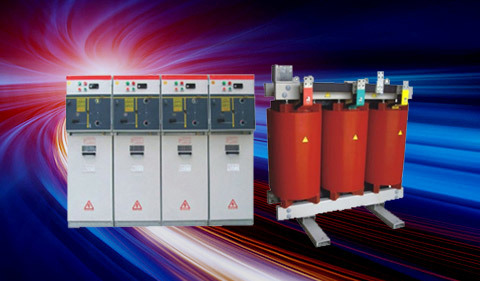
Three-phase resin insulated dry transformers are electrical devices designed to transfer electrical energy between circuits while maintaining voltage levels. Unlike conventional transformers, they utilize a resin-based insulation system that provides a high degree of safety and efficiency. These transformers are typically used in power distribution systems, particularly where space is limited and environmental conditions are challenging.
3. Advantages of Three-Phase Resin Insulated Dry Transformers
Choosing three-phase resin insulated dry transformers over traditional oil-filled transformers comes with numerous benefits. Below are some of the most significant advantages:
3.1 Safety Features
Safety is a paramount concern in electrical systems. Three-phase resin insulated dry transformers excel in this aspect due to their specific design features. As they are devoid of flammable liquids, the risk of fire hazards is significantly reduced. Additionally, they are designed to withstand extreme environmental conditions, making them an excellent choice for both indoor and outdoor applications.
3.2 Environmental Impact
Environmental sustainability is becoming increasingly important for industries. Three-phase resin insulated dry transformers are environmentally friendly options as they eliminate the risk of oil leaks, which can contaminate soil and water. Furthermore, their materials are often recyclable, contributing to a greener footprint.
3.3 Low Maintenance Requirements
One of the standout features of these transformers is their low maintenance requirements. Unlike oil-filled transformers that require regular inspections for leaks and oil levels, resin insulated dry transformers typically need minimal maintenance. This advantage translates into lower operational costs and increased reliability.
4. Applications of Three-Phase Resin Insulated Dry Transformers
Three-phase resin insulated dry transformers are versatile devices used in various applications, including:
- **Industrial Facilities:** These transformers are widely used in factories and manufacturing plants for efficient power distribution.
- **Commercial Buildings:** Office complexes and shopping centers utilize them to manage electrical loads effectively.
- **Renewable Energy Systems:** In solar and wind energy installations, these transformers facilitate the transition of energy from the source to the grid.
- **Data Centers:** The high reliability of dry transformers makes them suitable for data centers, where uninterrupted power supply is critical.
5. Design and Construction of Resin Insulated Dry Transformers
Understanding the design and construction of three-phase resin insulated dry transformers is crucial for appreciating their functionality and reliability.
5.1 Materials Used in Construction
The primary components of a resin insulated dry transformer include:
- **Core:** Made from high-quality silicon steel to minimize energy losses.
- **Windings:** Copper or aluminum conductors are used for effective energy transfer.
- **Resin:** This is the insulation material that encases the windings, providing excellent dielectric properties and mechanical strength.
5.2 Cooling Systems in Dry Transformers
Cooling is essential for maintaining the operational efficiency of transformers. Three-phase resin insulated dry transformers typically use natural air cooling (AN) or forced air cooling (AF) systems. Natural air cooling relies on ambient air, while forced air cooling uses fans to enhance heat dissipation, thus improving performance under load conditions.
6. Installation Guidelines for Three-Phase Dry Transformers
Proper installation is vital for the effective operation of three-phase resin insulated dry transformers. Follow these guidelines for optimal results:
- **Location Selection:** Choose a well-ventilated area to ensure proper cooling.
- **Foundation Requirements:** A solid foundation is necessary to support the weight of the transformer.
- **Electrical Connections:** Ensure that all electrical connections comply with local codes and standards.
7. Troubleshooting and Maintenance Tips
Regular maintenance and troubleshooting are essential for ensuring the longevity of three-phase resin insulated dry transformers. Here are some useful tips:
- **Regular Inspections:** Periodically check for signs of wear and tear or any unusual noises during operation.
- **Electrical Testing:** Conduct routine electrical tests to verify the transformer's efficiency and reliability.
- **Cleaning:** Keep the exterior clean to prevent dust accumulation, which can affect cooling efficiency.
8. Conclusion
Three-phase resin insulated dry transformers are advanced solutions that enhance the safety, efficiency, and sustainability of electrical systems. Their unique design and operational advantages make them suitable for a wide range of applications, from industrial facilities to renewable energy systems. By understanding their features, design, and maintenance requirements, industries can make informed decisions that optimize their electrical infrastructure.
9. Frequently Asked Questions
1. What is the main advantage of using resin insulated dry transformers?
The primary advantage is their high safety standards and low environmental impact, as they do not contain flammable liquids.
2. Can three-phase resin insulated dry transformers be used outdoors?
Yes, they are designed to withstand various environmental conditions, making them suitable for outdoor applications.
3. How often should maintenance be performed on these transformers?
Maintenance requirements are minimal, but regular inspections should be conducted to ensure optimal performance.
4. What are the typical applications of these transformers?
They are commonly used in industrial facilities, commercial buildings, renewable energy systems, and data centers.
5. What materials are used in the construction of resin insulated dry transformers?
They are constructed using high-quality silicon steel for the core, copper or aluminum for the windings, and resin for insulation.
Related News
Nantong Longxiang Electrical Equipment Co., Ltd.

sweep, mobile version!
Copyright©2024 Nantong Longxiang Electrical Equipment Co., Ltd. 丨Tag l Powered by 300.cn
Business License
 86-13057026999