




-
NEWS
Understanding Three-Phase Transformers: Essential Insights for Electrical Professionals
Release time:
2025-11-26
--- Three-phase transformers play a pivotal role in modern electrical power distribution systems. As a fundamental piece of equipment, they are essential in stepping up or stepping down voltage levels to facilitate efficient power transmission and distribution. In contrast to single-phase transformers, three-phase transformers are designed to handle three separate alternating currents (AC), which
---
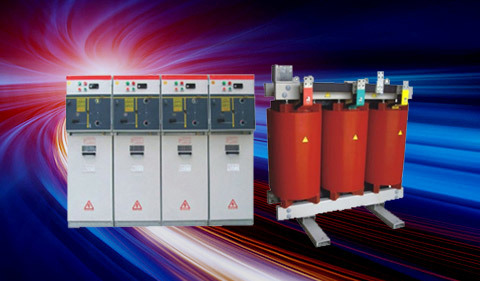
Three-phase transformers play a pivotal role in modern electrical power distribution systems. As a fundamental piece of equipment, they are essential in stepping up or stepping down voltage levels to facilitate efficient power transmission and distribution. In contrast to single-phase transformers, three-phase transformers are designed to handle three separate alternating currents (AC), which enables more efficient energy transfer and reduced losses.
A three-phase transformer typically consists of three single-phase transformers connected in either a delta or wye configuration. The delta configuration allows for a more robust design capable of handling higher loads, while the wye configuration is often chosen for its ability to balance loads and provide a neutral point. Both configurations have unique advantages that cater to different applications, making it crucial for professionals to understand their specific benefits and drawbacks.
One of the primary advantages of three-phase transformers is their efficiency in power transmission. By distributing the load evenly across three phases, these transformers reduce the overall current in the system, leading to lower losses due to resistance. This feature is particularly advantageous in industrial settings where large amounts of power are necessary. Additionally, three-phase transformers help in minimizing voltage fluctuations, ensuring a stable supply of electricity to critical equipment and machinery.
Three-phase transformers are widely used in various applications, including power generation, transmission, and distribution networks. They are also prevalent in industrial facilities, where they serve to step down high transmission voltages to usable levels for machinery and equipment. Moreover, their ability to provide a balanced load contributes significantly to the overall reliability and efficiency of the electrical system.
When selecting a three-phase transformer, professionals should consider several factors, including load requirements, voltage levels, and the specific configuration needed for the application. Understanding the operational principles and efficiency metrics can help in making informed decisions that enhance system performance.
Furthermore, it is essential to conduct regular maintenance on three-phase transformers to ensure their longevity and reliability. Routine inspections and testing can help identify potential issues before they escalate, thereby minimizing downtime and repair costs. Implementing a proactive maintenance strategy is key to maximizing the operational lifespan of these transformers.
In summary, three-phase transformers are an indispensable component of electrical power systems, offering significant benefits in terms of efficiency and load balancing. For electrical professionals, a comprehensive understanding of their functionality and applications is vital for optimizing performance and ensuring a reliable power supply. By leveraging the advantages of three-phase transformers, industry experts can enhance their operational capacity and contribute to a more efficient energy landscape.
Three-phase transformers play a pivotal role in modern electrical power distribution systems. As a fundamental piece of equipment, they are essential in stepping up or stepping down voltage levels to facilitate efficient power transmission and distribution. In contrast to single-phase transformers, three-phase transformers are designed to handle three separate alternating currents (AC), which enables more efficient energy transfer and reduced losses.
A three-phase transformer typically consists of three single-phase transformers connected in either a delta or wye configuration. The delta configuration allows for a more robust design capable of handling higher loads, while the wye configuration is often chosen for its ability to balance loads and provide a neutral point. Both configurations have unique advantages that cater to different applications, making it crucial for professionals to understand their specific benefits and drawbacks.
One of the primary advantages of three-phase transformers is their efficiency in power transmission. By distributing the load evenly across three phases, these transformers reduce the overall current in the system, leading to lower losses due to resistance. This feature is particularly advantageous in industrial settings where large amounts of power are necessary. Additionally, three-phase transformers help in minimizing voltage fluctuations, ensuring a stable supply of electricity to critical equipment and machinery.
Three-phase transformers are widely used in various applications, including power generation, transmission, and distribution networks. They are also prevalent in industrial facilities, where they serve to step down high transmission voltages to usable levels for machinery and equipment. Moreover, their ability to provide a balanced load contributes significantly to the overall reliability and efficiency of the electrical system.
When selecting a three-phase transformer, professionals should consider several factors, including load requirements, voltage levels, and the specific configuration needed for the application. Understanding the operational principles and efficiency metrics can help in making informed decisions that enhance system performance.
Furthermore, it is essential to conduct regular maintenance on three-phase transformers to ensure their longevity and reliability. Routine inspections and testing can help identify potential issues before they escalate, thereby minimizing downtime and repair costs. Implementing a proactive maintenance strategy is key to maximizing the operational lifespan of these transformers.
In summary, three-phase transformers are an indispensable component of electrical power systems, offering significant benefits in terms of efficiency and load balancing. For electrical professionals, a comprehensive understanding of their functionality and applications is vital for optimizing performance and ensuring a reliable power supply. By leveraging the advantages of three-phase transformers, industry experts can enhance their operational capacity and contribute to a more efficient energy landscape.
Related News
Nantong Longxiang Electrical Equipment Co., Ltd.

sweep, mobile version!
Copyright©2024 Nantong Longxiang Electrical Equipment Co., Ltd. 丨Tag l Powered by 300.cn
Business License
 86-13057026999