




-
NEWS
The Essential Role of Three-Phase Transformers in Modern Renewable Energy Systems
Release time:
2025-12-24
The Essential Role of Three-Phase Transformers in Modern Renewable Energy Systems Table of Contents 1. Introduction to Renewable Energy Systems 2. Understanding Three-Phase Transformers 3. Importance of Three-Phase Transformers in Energy Systems 4. Integration of Three-Phase Transformers in Renewable Energy 5. Three-Phase Transformers in Solar Energy Applications 6. Role o
The Essential Role of Three-Phase Transformers in Modern Renewable Energy Systems
Table of Contents
- 1. Introduction to Renewable Energy Systems
- 2. Understanding Three-Phase Transformers
- 3. Importance of Three-Phase Transformers in Energy Systems
- 4. Integration of Three-Phase Transformers in Renewable Energy
- 5. Three-Phase Transformers in Solar Energy Applications
- 6. Role of Three-Phase Transformers in Wind Energy Systems
- 7. Advantages of Using Three-Phase Transformers
- 8. Challenges and Solutions in Implementing Three-Phase Transformers
- 9. Future Trends in Transformer Technology for Renewable Energy
- 10. Conclusion
- 11. Frequently Asked Questions
1. Introduction to Renewable Energy Systems
The shift towards renewable energy systems reflects a global commitment to sustainability and environmental stewardship. As we move away from fossil fuels, technologies such as solar and wind power are becoming increasingly vital. **Renewable energy systems** harness natural resources to produce electricity, reduce greenhouse gas emissions, and promote energy independence. At the core of these systems lies the **three-phase transformer**, a crucial component that enhances the efficiency and reliability of power generation and distribution.
2. Understanding Three-Phase Transformers
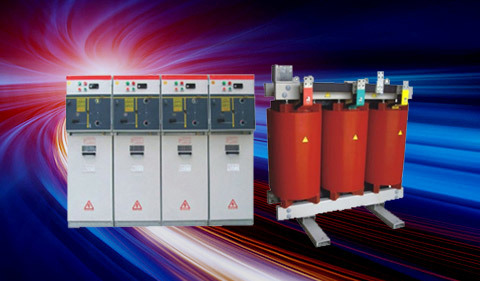
Three-phase transformers are electrical devices that play a pivotal role in stepping up or stepping down voltage levels in three-phase power systems. These transformers utilize three sets of windings to handle three alternating currents simultaneously. The fundamental principle behind three-phase transformers is to provide a balanced load across all phases, which not only improves the efficiency of energy transfer but also ensures the stability of the electrical grid.
**Key Features of Three-Phase Transformers:**
- **High Efficiency:** They deliver power with minimal losses, allowing for efficient energy transmission over long distances.
- **Compact Design:** Unlike single-phase transformers, three-phase transformers can provide the same power output in a smaller footprint.
- **Balanced Load Distribution:** They help in distributing the electrical load evenly, which minimizes phase imbalance issues.
3. Importance of Three-Phase Transformers in Energy Systems
The importance of three-phase transformers in renewable energy systems cannot be overstated. They serve as critical links between energy generation sources and the electrical grid, ensuring that electricity generated from renewable sources can be effectively utilized.
**Benefits of Three-Phase Transformers:**
- They facilitate the connection of various renewable energy sources to the grid, enabling a more resilient and diversified energy mix.
- They help in optimizing power quality, reducing harmonic distortions, and enhancing the overall stability of the electrical system.
- They allow for the integration of distributed energy resources (DERs), which are essential for modern smart grid technologies.
4. Integration of Three-Phase Transformers in Renewable Energy
Integrating three-phase transformers into renewable energy systems involves connecting these transformers to various generation sources, such as solar panels and wind turbines. This integration is crucial for converting generated power into a form suitable for distribution.
**Integration Process:**
1. **Voltage Transformation:** Three-phase transformers adjust the voltage levels produced by renewable sources to match the grid requirements.
2. **Phase Synchronization:** They ensure that the generated power is synchronized with the existing grid phases, maintaining the stability of the power supply.
3. **Connection to the Grid:** Transformers facilitate the seamless connection of renewable energy systems to the electrical network, enabling bidirectional flow of electricity.
5. Three-Phase Transformers in Solar Energy Applications
In solar energy systems, three-phase transformers play a vital role in managing the output from solar panels. As solar energy generation often involves inverters that convert DC to AC power, transformers are essential for voltage regulation and grid compatibility.
**Key Functions in Solar Applications:**
- **Voltage Step-Up:** They increase the voltage from solar inverters to levels suitable for transmission over long distances.
- **Load Management:** Three-phase transformers help manage the load on the solar power system, enhancing efficiency and reducing energy losses.
- **Grid Connection:** They ensure that solar energy can be fed into the grid effectively, supporting energy distribution systems.
6. Role of Three-Phase Transformers in Wind Energy Systems
Wind energy systems also rely heavily on three-phase transformers for efficient operation. Wind turbines generate electricity at varying voltages, and transformers are crucial for adapting this to grid standards.
**Contributions in Wind Applications:**
- **Voltage Regulation:** They stabilize the output voltage from wind turbines, ensuring consistent energy delivery.
- **Efficiency Improvement:** Three-phase transformers reduce losses associated with energy transmission, making wind energy more viable.
- **Enhanced Integration:** They facilitate the connection of multiple wind turbines to the grid, allowing for large-scale wind farms to function effectively.
7. Advantages of Using Three-Phase Transformers
The advantages of incorporating three-phase transformers into renewable energy systems extend beyond mere voltage adjustment. These transformers offer a range of benefits that contribute to the overall efficiency and reliability of energy systems.
**Advantages Include:**
- **Reduced Energy Losses:** Three-phase transformers minimize losses during energy transmission, enhancing the overall efficiency of the electrical supply chain.
- **Increased Capacity:** They allow for the handling of larger loads without compromising performance, making them ideal for expanding renewable energy projects.
- **Improved Power Quality:** By balancing the load across phases, three-phase transformers help maintain high power quality, reducing the risk of electrical disturbances.
8. Challenges and Solutions in Implementing Three-Phase Transformers
While three-phase transformers are essential for renewable energy systems, their implementation is not without challenges. Addressing these challenges is vital for ensuring optimal operation.
**Common Challenges:**
- **Cost Factors:** The initial investment for high-quality three-phase transformers can be substantial, affecting project budgets.
- **Maintenance Needs:** Regular maintenance is necessary to ensure transformer longevity and reliability, which may require skilled personnel.
- **Size and Weight Issues:** Some three-phase transformers can be bulky and heavy, complicating installation, especially in remote locations.
**Potential Solutions:**
- Implementing **modular designs** can help mitigate space constraints.
- Investment in **advanced monitoring systems** can reduce maintenance requirements and enhance operational efficiency.
- **Incentive programs** can be explored to offset initial costs and encourage the adoption of modern transformer technologies.
9. Future Trends in Transformer Technology for Renewable Energy
As renewable energy systems continue to evolve, so too will the technologies that support them. The future of three-phase transformers is likely to be shaped by several key trends:
**Emerging Trends:**
- **Smart Transformers:** The integration of communication technologies will enable transformers to provide real-time data on performance and efficiency.
- **Enhanced Materials:** Innovations in materials, such as amorphous steel, can lead to even more efficient transformers with reduced energy losses.
- **Sustainability Focus:** Future transformer designs will prioritize sustainability, incorporating recyclable materials and energy-efficient technologies.
10. Conclusion
Three-phase transformers are indispensable components of modern renewable energy systems. They not only enhance the efficiency of energy transmission but also facilitate the integration of diverse renewable sources into the electrical grid. As the push for clean energy continues, the significance of these transformers will only grow, making them vital for achieving sustainability goals. With ongoing advancements in technology, three-phase transformers will play a crucial role in shaping the future of renewable energy systems.
11. Frequently Asked Questions
What is the primary function of a three-phase transformer?
Three-phase transformers primarily function to step up or step down voltage levels in three-phase power systems, allowing for efficient energy transmission and distribution.
How do three-phase transformers improve renewable energy systems?
They enhance efficiency, ensure reliable voltage regulation, and facilitate the integration of various renewable energy sources into the electrical grid.
Are three-phase transformers only used in renewable energy applications?
No, three-phase transformers are widely used in various electrical applications, including industrial and commercial power systems, in addition to renewable energy applications.
What are the maintenance requirements for three-phase transformers?
Regular maintenance is essential for three-phase transformers to ensure their reliability and longevity, which includes inspections, testing, and potential oil changes.
What trends are shaping the future of three-phase transformers?
Trends include the development of smart transformers, use of advanced materials for improved efficiency, and a focus on sustainability in transformer design and manufacturing.
By understanding the critical role of three-phase transformers in renewable energy systems, stakeholders can make informed decisions on technology integration and project development, ultimately leading to a more sustainable energy future.
Related News
Nantong Longxiang Electrical Equipment Co., Ltd.

sweep, mobile version!
Copyright©2024 Nantong Longxiang Electrical Equipment Co., Ltd. 丨Tag l Powered by 300.cn
Business License
 86-13057026999