




-
NEWS
Exploring the Benefits of Prefabricated Substations in Urban Areas
Release time:
2025-12-30
Exploring the Benefits of Prefabricated Substations in Urban Areas Table of Contents 1. Introduction to Prefabricated Substations 2. Defining Prefabricated Substations 3. Advantages of Prefabricated Substations in Urban Areas 3.1 Cost Efficiency 3.2 Space Savings 3.3 Quick Installation 3.4 Reduced Environmental Impact 4. Design and Customization Options
Exploring the Benefits of Prefabricated Substations in Urban Areas
Table of Contents
- 1. Introduction to Prefabricated Substations
- 2. Defining Prefabricated Substations
- 3. Advantages of Prefabricated Substations in Urban Areas
- 4. Design and Customization Options
- 5. Challenges and Considerations
- 6. Case Studies of Prefabricated Substations
- 7. The Future of Prefabricated Substations in Urban Development
- 8. Frequently Asked Questions
- 9. Conclusion
1. Introduction to Prefabricated Substations
In the ever-evolving landscape of urban infrastructure, the demand for efficient electrical systems is more critical than ever. Prefabricated substations have emerged as a **revolutionary solution** to meet the energy needs of densely populated areas. These compact, modular units offer a range of benefits that cater to the unique challenges faced in urban settings.
2. Defining Prefabricated Substations
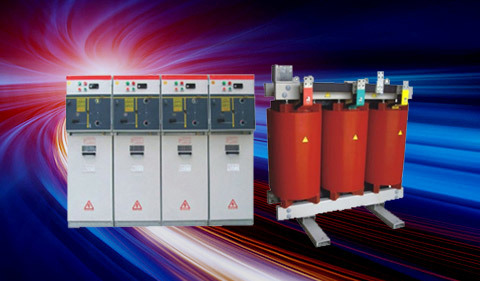
Prefabricated substations, also known as modular substations, are pre-assembled electrical units designed to transform high-voltage electricity into a lower-voltage supply suitable for residential and commercial use. They are manufactured off-site and transported to their final location, where they are installed quickly. This innovative approach simplifies the complexity of traditional substation construction, significantly reducing time and labor costs.
3. Advantages of Prefabricated Substations in Urban Areas
The advantages of prefabricated substations are numerous, particularly in urban environments where space is limited and the demand for reliable energy is high.
3.1 Cost Efficiency
One of the most compelling benefits of prefabricated substations is their **cost efficiency**. The streamlined manufacturing process and reduced on-site labor translate to lower overall costs. Additionally, these substations require less extensive civil works compared to traditional installations, which can further lessen expenditures.
3.2 Space Savings
Space constraints in urban areas often hinder the installation of traditional substations. Prefabricated units are designed to occupy minimal space while maximizing functionality. Their compact design allows for installation in smaller plots, making them ideal for cities where every square meter counts.
3.3 Quick Installation
Time is of the essence in any construction project. Prefabricated substations can be installed in a fraction of the time required for conventional substations. With much of the assembly completed off-site, on-site installation becomes a straightforward process, allowing utilities to meet the energy demands of the city faster.
3.4 Reduced Environmental Impact
Urban areas face scrutiny regarding environmental sustainability. Prefabricated substations contribute to a reduced environmental footprint both during construction and operation. Their efficient design minimizes waste, and the installation process generates less noise and disruption, which is essential for maintaining urban livability.
4. Design and Customization Options
The modular nature of prefabricated substations allows for a wide range of design and customization options. Utilities can tailor these systems to meet specific needs, including:
- **Size and Capacity**: Adjusting the power capacity to match urban demand.
- **Aesthetic Design**: Integrating architectural elements that blend with the urban landscape.
- **Advanced Technology**: Incorporating smart grid technologies for enhanced monitoring and control.
These customizations ensure that substations not only perform efficiently but also align with local regulations and community aesthetics.
5. Challenges and Considerations
Despite their advantages, prefabricated substations are not without challenges. It is essential to consider:
- **Regulatory Compliance**: Ensuring that designs meet all local and national regulations.
- **Site-Specific Adaptations**: Addressing unique site conditions such as soil type and weather patterns.
- **Integration with Existing Infrastructure**: Seamlessly merging new substations with existing grid systems can be complex.
Addressing these challenges is crucial for the successful implementation of prefabricated substations.
6. Case Studies of Prefabricated Substations
Examining real-world applications sheds light on the efficacy of prefabricated substations. For instance, a recent project in a densely populated urban area involved the installation of a modular substation that increased the power supply by 30% while occupying 50% less space than a traditional substation would require. This project not only improved reliability but also demonstrated the feasibility of integrating sustainable practices within urban planning.
7. The Future of Prefabricated Substations in Urban Development
As cities continue to grow, the need for innovative energy solutions becomes increasingly pressing. Prefabricated substations are poised to play a critical role in the future of urban energy infrastructure. With advancements in technology, we can expect even more efficient designs, enhanced smart grid capabilities, and greater adaptability to urban demands.
8. Frequently Asked Questions
**Q1: What are the primary benefits of prefabricated substations?**
A1: Prefabricated substations offer cost efficiency, space savings, quick installation, and reduced environmental impact, making them ideal for urban settings.
**Q2: How quickly can a prefabricated substation be installed?**
A2: Installation times vary, but prefabricated substations can typically be installed in a matter of days compared to months for traditional substations.
**Q3: Are prefabricated substations customizable?**
A3: Yes, these substations can be customized in terms of size, capacity, and design to meet specific urban needs.
**Q4: What challenges do prefabricated substations face?**
A4: Challenges include regulatory compliance, site-specific adaptations, and integration with existing infrastructure.
**Q5: How do prefabricated substations contribute to sustainability?**
A5: They minimize waste during construction, reduce noise and disruption, and can incorporate renewable energy technologies.
9. Conclusion
In conclusion, **prefabricated substations** represent a transformative approach to energy distribution in urban areas. Their myriad benefits, including cost efficiency, space savings, and quick installation, make them an invaluable asset for modern cities striving to meet increasing energy demands responsibly and sustainably. As urban planning continues to evolve, investing in prefabricated substations will undoubtedly play a crucial role in shaping a more efficient and eco-friendly future.
Related News
Nantong Longxiang Electrical Equipment Co., Ltd.

sweep, mobile version!
Copyright©2024 Nantong Longxiang Electrical Equipment Co., Ltd. 丨Tag l Powered by 300.cn
Business License
 86-13057026999