




-
NEWS
Essential Attributes of Three-Phase Resin Insulated Dry Transformers: A Comprehensive Guide
Release time:
2026-01-01
Essential Attributes of Three-Phase Resin Insulated Dry Transformers: A Comprehensive Guide Table of Contents 1. Introduction to Three-Phase Resin Insulated Dry Transformers 2. Understanding Three-Phase Transformers 3. Key Features of Three-Phase Resin Insulated Dry Transformers 3.1 Insulation Materials: Safety and Efficiency 3.2 Cooling Methods for Optimal Performance
Essential Attributes of Three-Phase Resin Insulated Dry Transformers: A Comprehensive Guide
Table of Contents
- 1. Introduction to Three-Phase Resin Insulated Dry Transformers
- 2. Understanding Three-Phase Transformers
- 3. Key Features of Three-Phase Resin Insulated Dry Transformers
- 3.1 Insulation Materials: Safety and Efficiency
- 3.2 Cooling Methods for Optimal Performance
- 3.3 Design Considerations for Durability
- 3.4 Environmental Factors: Adaptability and Safety
- 3.5 Energy Efficiency and Sustainability
- 4. Applications of Three-Phase Resin Insulated Dry Transformers
- 5. Maintenance Tips for Longevity
- 6. Frequently Asked Questions
- 7. Conclusion
1. Introduction to Three-Phase Resin Insulated Dry Transformers
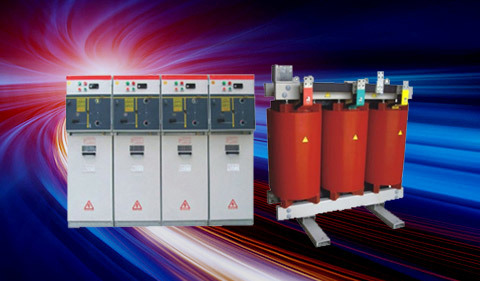
Three-phase resin insulated dry transformers are pivotal in modern electrical systems, combining safety, efficiency, and durability. Unlike traditional oil-filled transformers, these units use resin insulation, yielding significant advantages, especially in urban areas where space and environmental concerns are paramount. This article provides a thorough exploration of the key features you should seek when selecting a three-phase resin insulated dry transformer, ensuring you make an informed choice.
2. Understanding Three-Phase Transformers
Before delving into the specific features of resin insulated dry transformers, it's vital to understand what a three-phase transformer entails. These transformers are designed to handle three-phase electrical systems, which are the backbone of industrial and commercial power distribution. They efficiently balance loads and improve overall power reliability.
Three-phase transformers work by converting voltages from primary to secondary circuits through electromagnetic induction. This process involves several winding configurations, and transformer designs can vary significantly. A resin insulated dry transformer, in particular, stands out due to its construction and insulation methods, making it suitable for sensitive applications.
3. Key Features of Three-Phase Resin Insulated Dry Transformers
When evaluating three-phase resin insulated dry transformers, several features are essential to consider. These characteristics directly impact the transformer's performance, reliability, and suitability for various applications.
3.1 Insulation Materials: Safety and Efficiency
The insulation material used in a transformer is paramount. Resin insulation provides excellent dielectric strength and thermal resistance, making it safer and more efficient than traditional oil-based insulation. It minimizes the risk of leakage and environmental hazards, ensuring compliance with safety regulations. Furthermore, resin insulation is less susceptible to moisture and contaminants, enhancing long-term reliability.
3.2 Cooling Methods for Optimal Performance
Cooling is a critical factor in transformer functionality. Three-phase resin insulated dry transformers typically utilize air cooling, allowing for efficient thermal management without the complexities of liquid cooling systems. This method enables the transformer to maintain optimal operating temperatures, reducing the likelihood of overheating and prolonging its lifespan.
Designers should seek transformers equipped with effective heat dissipation systems, such as ventilated enclosures that facilitate airflow. This ensures that the transformer can perform reliably even in challenging environmental conditions.
3.3 Design Considerations for Durability
The design of a three-phase resin insulated dry transformer plays a significant role in its durability and performance. Factors include the mechanical construction, material selection, and overall build quality. Look for transformers that are designed to withstand mechanical stress and environmental factors, such as vibration and temperature fluctuations.
Furthermore, transformers with a compact design maximize space efficiency, making them suitable for urban installations or areas with limited space. Quality construction methods, such as the use of reinforced enclosures, also contribute to resilience against external influences.
3.4 Environmental Factors: Adaptability and Safety
When evaluating a three-phase resin insulated dry transformer, consider its environmental adaptability. These transformers are often used in locations exposed to harsh weather conditions, so they must have protective features against dust, moisture, and temperature variations.
Safety certifications and compliance with international standards (such as IEC standards) can provide assurance of the transformer's ability to perform safely in various environments. Additionally, the use of materials that comply with environmental regulations enhances the suitability of these transformers in sensitive areas.
3.5 Energy Efficiency and Sustainability
In today's eco-conscious landscape, energy efficiency is a crucial attribute for any electrical equipment. Three-phase resin insulated dry transformers can significantly contribute to reducing energy losses, which is critical for sustainability efforts.
Look for transformers with high-efficiency ratings, as these not only reduce operational costs but also minimize the impact on the environment. Features like low no-load losses and improved conversion efficiency are indicators of an energy-efficient transformer.
4. Applications of Three-Phase Resin Insulated Dry Transformers
Three-phase resin insulated dry transformers find applications across various sectors due to their versatility and reliability. Common applications include:
- **Industrial Plants:** Providing consistent power supply to manufacturing equipment and machinery.
- **Commercial Buildings:** Ensuring stable power delivery to lighting, HVAC systems, and office equipment.
- **Renewable Energy:** Supporting solar and wind power systems by converting voltages and managing power distribution.
- **Data Centers:** Maintaining uninterrupted power supply for critical IT infrastructure.
- **Transportation:** Used in substation facilities and electric vehicle charging stations to manage energy needs efficiently.
Selecting the right transformer for these applications involves careful consideration of the specific power requirements and operational conditions of each sector.
5. Maintenance Tips for Longevity
To ensure the longevity and optimal performance of your three-phase resin insulated dry transformer, regular maintenance is crucial. Here are some practical maintenance tips:
- **Routine Inspections:** Regularly check for signs of wear, damage, or insulation deterioration.
- **Cleaning:** Keep the transformer and surrounding areas clean to prevent dust accumulation that could affect performance.
- **Temperature Monitoring:** Use temperature sensors to monitor the operating temperature and ensure it remains within safe limits.
- **Visual Checks for Cooling:** Ensure that cooling systems are functioning effectively, allowing for proper heat dissipation.
- **Professional Servicing:** Schedule periodic professional inspections to address any potential issues before they become significant problems.
By following these maintenance practices, you can extend the life of your transformer and ensure it operates efficiently throughout its service life.
6. Frequently Asked Questions
What is a resin insulated dry transformer?
Resin insulated dry transformers use resin as insulation instead of oil, providing advantages in safety, efficiency, and environmental impact.
What are the benefits of using three-phase transformers?
Three-phase transformers offer improved load balancing, increased reliability, and efficient power distribution in industrial and commercial applications.
How do I choose the right transformer for my application?
Consider factors such as power requirements, environmental conditions, cooling methods, and safety certifications when selecting a transformer.
What maintenance is required for resin insulated dry transformers?
Regular inspections, temperature monitoring, and cleaning are essential maintenance practices to ensure optimal performance and longevity.
Are resin insulated dry transformers environmentally friendly?
Yes, they are designed to minimize environmental impact by eliminating oil leakage risks and using sustainable materials compliant with environmental regulations.
7. Conclusion
Three-phase resin insulated dry transformers are essential components in modern electrical systems, offering unparalleled safety, efficiency, and reliability. By understanding the key features to look for, including insulation materials, cooling methods, and design considerations, you can make informed decisions when selecting a transformer for your application.
Whether for industrial, commercial, or renewable energy applications, investing in high-quality three-phase resin insulated dry transformers is crucial for ensuring optimal performance and longevity. Prioritize these features, maintain your equipment regularly, and enjoy the benefits of reliable power distribution for years to come.
Related News
Nantong Longxiang Electrical Equipment Co., Ltd.

sweep, mobile version!
Copyright©2024 Nantong Longxiang Electrical Equipment Co., Ltd. 丨Tag l Powered by 300.cn
Business License
 86-13057026999