




-
NEWS
Key Differences Between Oil-Immersed and Dry-Type Transformers: A Comprehensive Guide
Release time:
2026-01-15
Key Differences Between Oil-Immersed and Dry-Type Transformers: A Comprehensive Guide Transformers are pivotal in electrical power systems, serving to convert voltage levels and ensure efficient power distribution. Among the various types of transformers available, **oil-immersed** and **dry-type transformers** stand out due to their unique characteristics, applications, and benefits. Understandin
Key Differences Between Oil-Immersed and Dry-Type Transformers: A Comprehensive Guide
Transformers are pivotal in electrical power systems, serving to convert voltage levels and ensure efficient power distribution. Among the various types of transformers available, **oil-immersed** and **dry-type transformers** stand out due to their unique characteristics, applications, and benefits. Understanding the differences between these two types can significantly impact the effectiveness and safety of your electrical projects. In this article, we will discuss the key differences between oil-immersed and dry-type transformers, providing you with detailed insights and clarifying common misconceptions.
Table of Contents
1. Introduction to Transformers
2. What Are Oil-Immersed Transformers?
3. What Are Dry-Type Transformers?
4. Key Differences Between Oil-Immersed and Dry-Type Transformers
4.1 Construction and Design
4.2 Cooling Mechanisms
4.3 Applications and Use Cases
4.4 Maintenance Requirements
4.5 Safety Features
4.6 Cost Considerations
5. Advantages of Oil-Immersed Transformers
6. Advantages of Dry-Type Transformers
7. Common Misconceptions About Transformers
8. FAQs
9. Conclusion
1. Introduction to Transformers
Transformers play a crucial role in electrical engineering, functioning as devices that transfer electrical energy between two or more circuits through electromagnetic induction. They come in various designs and types, each tailored to specific applications. The **importance** of selecting the right transformer lies in its ability to enhance efficiency and ensure reliability in power distribution systems.
2. What Are Oil-Immersed Transformers?
Oil-immersed transformers, also known as liquid-filled transformers, utilize oil as an insulating and cooling medium. The oil serves multiple purposes, including:
- **Insulation:** Protecting the internal components from electrical shorts and ensuring safety.
- **Cooling:** Dissipating heat generated during the transformation process, allowing the transformer to operate efficiently.
Typically housed in a robust steel tank, oil-immersed transformers are designed to withstand high voltage and provide long-term service in various environments.
3. What Are Dry-Type Transformers?
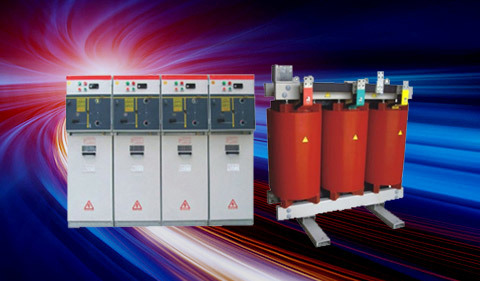
In contrast, dry-type transformers operate without the use of liquid insulation. Instead, they rely on air as the primary cooling and insulating medium. Dry-type transformers often use materials like epoxy resin for insulation, making them less bulky than their oil-immersed counterparts. They are generally enclosed in a ventilated casing that allows for natural air circulation, ensuring effective cooling.
4. Key Differences Between Oil-Immersed and Dry-Type Transformers
Understanding the key differences between oil-immersed and dry-type transformers can help you choose the right transformer for your specific application.
4.1 Construction and Design
The primary distinction lies in their construction. Oil-immersed transformers are designed with a tank filled with insulating oil, while dry-type transformers incorporate air-cooling systems and insulation materials. The oil-filled design allows oil-immersed transformers to manage high loads, making them suitable for larger applications. Conversely, the compact design of dry-type transformers makes them ideal for urban settings where space is limited.
4.2 Cooling Mechanisms
Cooling is crucial for transformer efficiency. Oil-immersed transformers utilize the oil's ability to absorb heat, which circulates through the system, reducing temperatures during operation. Dry-type transformers depend on natural air circulation for cooling, which may limit their capacity to handle heavy loads compared to oil-immersed models.
4.3 Applications and Use Cases
Oil-immersed transformers are typically used in utility applications and industrial environments where high power levels are required. They excel in substations and large-scale installations where space is available. On the other hand, dry-type transformers are more commonly found in commercial buildings, residential areas, and other applications where environmental safety and space efficiency are priorities.
4.4 Maintenance Requirements
Maintenance needs differ between the two types of transformers. Oil-immersed transformers require regular inspections to check for leaks and oil levels, and the oil must be periodically tested for chemical properties. Dry-type transformers, while generally requiring less maintenance, still need periodic inspection to ensure the integrity of the insulation and cooling systems.
4.5 Safety Features
Safety is paramount when dealing with electrical transformers. Oil-immersed transformers can pose a fire risk if oil leaks and ignites. However, advancements in technology have led to the development of fire-resistant oils to mitigate this risk. In contrast, dry-type transformers are inherently safer as they do not contain flammable liquids, making them a preferable choice in environments with strict fire safety regulations.
4.6 Cost Considerations
Costs vary widely between the two transformer types. Oil-immersed transformers generally have a higher initial purchase price due to their more complex construction and materials. However, they may offer lower operational costs in high-load applications. Dry-type transformers have a lower upfront cost, making them more appealing for smaller projects, but may incur higher operational costs in the long run, especially in high-demand applications.
5. Advantages of Oil-Immersed Transformers
Oil-immersed transformers offer several advantages that make them preferred in certain applications:
- **Higher Efficiency:** Designed for high loads, oil-immersed transformers can operate more efficiently under heavy demand.
- **Longer Lifespan:** The oil contributes to cooling and insulation, leading to a potentially longer operational life.
- **Ability to Handle Overloads:** They are better suited for applications requiring the capability to handle temporary overloads.
6. Advantages of Dry-Type Transformers
Dry-type transformers also present unique advantages, including:
- **Reduced Fire Risk:** Without combustible oil, dry-type transformers are safer for applications in sensitive environments.
- **Less Maintenance:** Their simpler design can lead to decreased maintenance needs and costs.
- **Environmentally Friendly:** With no oil, dry-type transformers are often viewed as environmentally sustainable options.
7. Common Misconceptions About Transformers
Many misconceptions surround transformers, especially regarding their performance and safety. Some people believe that dry-type transformers are always inferior to oil-immersed models, overlooking their unique advantages in terms of safety and maintenance. Others may think that oil-immersed transformers are always more efficient without considering the context of their application.
8. FAQs
What is the lifespan of oil-immersed transformers?
Oil-immersed transformers can last 20 to 30 years or more, depending on maintenance and environmental factors.
How often should transformers be maintained?
Generally, oil-immersed transformers require annual maintenance, while dry-type transformers may need inspections every few years.
Are dry-type transformers more expensive to operate?
While they have a lower initial cost, dry-type transformers may incur higher operational costs in high-demand situations compared to oil-immersed transformers.
Can dry-type transformers be used outdoors?
Yes, but they require protective enclosures to mitigate the effects of environmental factors like rain and snow.
Which transformer is better for urban environments?
Dry-type transformers are often preferred in urban settings due to their smaller footprint and reduced fire risk.
9. Conclusion
In summary, both **oil-immersed and dry-type transformers** have unique characteristics that cater to different applications and environments. **Choosing the right transformer** depends on various factors, including load demands, environmental conditions, safety considerations, and budget constraints. By understanding the key differences outlined in this guide, you will be better equipped to make an informed decision, ensuring efficiency and safety in your electrical projects. The choice between oil-immersed and dry-type transformers ultimately comes down to specific needs, highlighting the importance of careful consideration and expert advice in the selection process.
Related News
Nantong Longxiang Electrical Equipment Co., Ltd.

sweep, mobile version!
Copyright©2024 Nantong Longxiang Electrical Equipment Co., Ltd. 丨Tag l Powered by 300.cn
Business License
 86-13057026999