




-
NEWS
How Prefabricated Substations Enhance Energy Reliability for Modern Infrastructure
Release time:
2026-01-17
How Prefabricated Substations Enhance Energy Reliability Table of Contents 1. Introduction to Prefabricated Substations 2. What Is a Prefabricated Substation? 3. Advantages of Prefabricated Substations 3.1 Cost-Effectiveness 3.2 Quick Installation and Commissioning 3.3 Reduced Footprint 4. How Prefabricated Substations Improve
How Prefabricated Substations Enhance Energy Reliability
Table of Contents
- 1. Introduction to Prefabricated Substations
- 2. What Is a Prefabricated Substation?
- 3. Advantages of Prefabricated Substations
- 4. How Prefabricated Substations Improve Energy Reliability
- 5. Applications of Prefabricated Substations
- 6. Case Studies of Successful Implementations
- 7. Challenges and Considerations
- 8. Frequently Asked Questions
- 9. Conclusion
1. Introduction to Prefabricated Substations
In the ever-evolving energy landscape, the demand for reliable power distribution has never been more pressing. Traditional substations, while integral to energy management, often face challenges related to space, cost, and installation time. **Prefabricated substations** have emerged as a revolutionary solution to these challenges, offering numerous benefits that enhance energy reliability. This article will delve deep into how these substations contribute to a more dependable energy infrastructure, exploring their design, advantages, applications, and real-world implementations.
2. What Is a Prefabricated Substation?
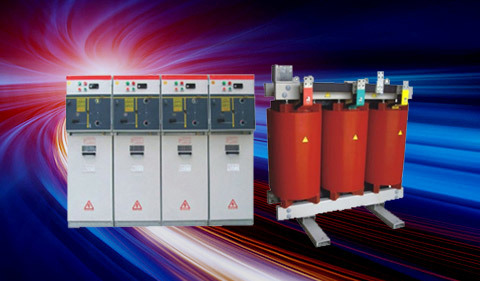
Prefabricated substations are modular energy distribution units constructed off-site and delivered ready for installation. They incorporate essential components such as transformers, switchgear, and control systems within a compact and robust framework. Unlike traditional substations, which are built on-site and often require extensive construction time, prefabricated substations offer a streamlined approach to energy management.
3. Advantages of Prefabricated Substations
Prefabricated substations provide a plethora of benefits that contribute to improved energy reliability in both urban and rural settings.
3.1 Cost-Effectiveness
One of the primary advantages of prefabricated substations is their **cost-effectiveness**. By minimizing on-site construction time and labor costs, utilities can significantly reduce the overall investment. Additionally, their modular design allows for efficient use of materials, further lowering expenses.
3.2 Quick Installation and Commissioning
With prefabricated substations, utilities can enjoy **quick installation and commissioning**. These units arrive on-site fully assembled, allowing for rapid deployment. This swift installation minimizes downtime and accelerates the delivery of reliable energy services to consumers.
3.3 Reduced Footprint
In densely populated areas, space constraints can hinder the installation of traditional substations. Prefabricated substations offer a **reduced footprint**, allowing for efficient land use without compromising on functionality. Their compact design makes them ideal for urban environments where space is at a premium.
4. How Prefabricated Substations Improve Energy Reliability
Prefabricated substations enhance energy reliability in various ways, addressing the needs of modern energy consumers.
4.1 Enhanced Performance
The integrated design of prefabricated substations ensures **enhanced performance**. By housing critical components in a controlled environment, these substations can operate more efficiently and with greater reliability. Advanced cooling systems and protective measures further ensure optimal performance even under extreme conditions.
4.2 Scalability and Flexibility
As energy demands fluctuate, the **scalability and flexibility** of prefabricated substations become essential. Utilities can easily expand or modify these units to accommodate growing energy needs, ensuring they remain responsive to changing demand without significant investment or infrastructural overhauls.
4.3 Advanced Technology Integration
Prefabricated substations are designed to incorporate **advanced technology** seamlessly. From digital monitoring systems to smart grid capabilities, these substations enable utilities to enhance their operational efficiency and reliability. This integration supports real-time data collection and analysis, allowing for proactive management of energy distribution.
5. Applications of Prefabricated Substations
The versatility of prefabricated substations allows for diverse applications across various sectors.
5.1 Urban Infrastructure
In urban environments, prefabricated substations play a crucial role in supporting the energy needs of growing populations. They can be deployed in **city developments**, business districts, and residential areas, ensuring that energy distribution is both efficient and reliable.
5.2 Renewable Energy Sources
As the world shifts towards sustainable energy solutions, prefabricated substations facilitate the integration of **renewable energy sources** like solar and wind. Their modular design allows for easy adaptation to different energy inputs, contributing to a more sustainable energy ecosystem.
6. Case Studies of Successful Implementations
Numerous utilities worldwide have successfully implemented prefabricated substations, demonstrating their effectiveness in enhancing energy reliability. For instance, a major European utility adopted prefabricated substations in its urban projects, resulting in a 30% reduction in installation time and a significant decrease in operational costs. Another example includes a renewable energy provider that integrated prefabricated substations to support its solar farm operations, leading to improved energy management and reliability.
7. Challenges and Considerations
While prefabricated substations offer numerous advantages, there are challenges and considerations. Utilities must ensure that these units meet local regulations and standards. Additionally, careful planning is essential to address logistical concerns during transportation and installation. However, with the right strategies, these challenges can be effectively managed.
8. Frequently Asked Questions
1. What are the main components of a prefabricated substation?
Prefabricated substations typically include transformers, switchgear, control systems, and protection equipment, all housed within a compact structure.
2. How do prefabricated substations compare to traditional substations in terms of cost?
Prefabricated substations generally offer lower installation costs due to reduced construction time and labor requirements.
3. Can prefabricated substations be integrated with renewable energy sources?
Yes, prefabricated substations are designed to easily integrate with renewable energy sources, making them ideal for sustainable energy projects.
4. How fast can a prefabricated substation be installed?
Installation times can vary, but prefabricated substations can often be installed in a matter of days, significantly faster than traditional options.
5. Are there specific locations where prefabricated substations are most effective?
Prefabricated substations are particularly effective in urban areas with limited space and in projects requiring rapid deployment, such as disaster recovery scenarios.
9. Conclusion
In conclusion, **prefabricated substations** represent a pivotal advancement in energy distribution technology. Their cost-effectiveness, quick installation, reduced footprint, and ability to integrate advanced technology make them indispensable in enhancing energy reliability. As the demand for reliable power continues to grow, prefabricated substations will undoubtedly play a central role in shaping a sustainable and efficient energy future. Embracing these innovative solutions not only addresses current challenges but also prepares infrastructure for the evolving energy landscape.
Related News
Nantong Longxiang Electrical Equipment Co., Ltd.

sweep, mobile version!
Copyright©2024 Nantong Longxiang Electrical Equipment Co., Ltd. 丨Tag l Powered by 300.cn
Business License
 86-13057026999