




-
NEWS
Understanding Three-Phase Transformers: The Backbone of Modern Power Systems
Release time:
2026-01-22
Three-phase transformers play a vital role in the distribution and management of electrical energy, particularly in industrial and commercial settings. These transformers are designed to convert three-phase electrical power from one voltage level to another, ensuring efficient and reliable electricity supply. This article explores the fundamental concepts surrounding three-phase transformers, thei
Three-phase transformers play a vital role in the distribution and management of electrical energy, particularly in industrial and commercial settings. These transformers are designed to convert three-phase electrical power from one voltage level to another, ensuring efficient and reliable electricity supply. This article explores the fundamental concepts surrounding three-phase transformers, their advantages, and their applications.
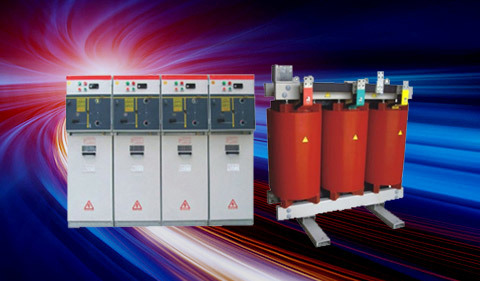
A three-phase transformer consists of three sets of windings, each corresponding to one phase of the electrical supply. The primary windings receive input voltage, while the secondary windings deliver the transformed voltage. The three-phase configuration allows for a more balanced load distribution across the system, which is particularly advantageous in heavy industrial applications where large amounts of power are needed.
One of the significant benefits of using a three-phase transformer is its efficiency. Compared to single-phase transformers, three-phase transformers can transfer more power with less material. This efficiency is largely due to the continuous power transfer provided by the three-phase system, minimizing fluctuations and reducing losses during transmission. The design also allows for smaller and lighter transformers when handling the same power levels, making them ideal for space-constrained environments.
In addition to efficiency, three-phase transformers are known for their reliability. They can operate at higher load capacities without overheating, making them suitable for demanding industrial applications. Moreover, the balanced nature of three-phase power reduces the risk of transformer failure, ensuring a more stable power supply to critical infrastructure.
Three-phase transformers can be classified into different types based on their connection configurations, such as star (Y) and delta (Δ) connections. The choice between these configurations affects voltage levels and phase relationships, influencing the transformer's performance in various applications. For instance, a star configuration can provide a neutral point, which is essential for grounding and protecting against electrical faults.
In terms of applications, three-phase transformers are prevalent in substations, industrial plants, and renewable energy systems. They facilitate the integration of wind and solar power into the grid by stepping up or stepping down voltages to match grid requirements. Additionally, they are used in motor drives, helping to efficiently power large industrial motors that require three-phase supply for optimal performance.
In conclusion, three-phase transformers are integral to modern power systems, ensuring efficient, reliable, and balanced electricity distribution. Understanding their operation and benefits can help industries optimize their energy use and improve overall system performance. Whether for large-scale applications or integrating renewable energy sources, three-phase transformers are indispensable in the ever-evolving landscape of electrical engineering.
A three-phase transformer consists of three sets of windings, each corresponding to one phase of the electrical supply. The primary windings receive input voltage, while the secondary windings deliver the transformed voltage. The three-phase configuration allows for a more balanced load distribution across the system, which is particularly advantageous in heavy industrial applications where large amounts of power are needed.
One of the significant benefits of using a three-phase transformer is its efficiency. Compared to single-phase transformers, three-phase transformers can transfer more power with less material. This efficiency is largely due to the continuous power transfer provided by the three-phase system, minimizing fluctuations and reducing losses during transmission. The design also allows for smaller and lighter transformers when handling the same power levels, making them ideal for space-constrained environments.
In addition to efficiency, three-phase transformers are known for their reliability. They can operate at higher load capacities without overheating, making them suitable for demanding industrial applications. Moreover, the balanced nature of three-phase power reduces the risk of transformer failure, ensuring a more stable power supply to critical infrastructure.
Three-phase transformers can be classified into different types based on their connection configurations, such as star (Y) and delta (Δ) connections. The choice between these configurations affects voltage levels and phase relationships, influencing the transformer's performance in various applications. For instance, a star configuration can provide a neutral point, which is essential for grounding and protecting against electrical faults.
In terms of applications, three-phase transformers are prevalent in substations, industrial plants, and renewable energy systems. They facilitate the integration of wind and solar power into the grid by stepping up or stepping down voltages to match grid requirements. Additionally, they are used in motor drives, helping to efficiently power large industrial motors that require three-phase supply for optimal performance.
In conclusion, three-phase transformers are integral to modern power systems, ensuring efficient, reliable, and balanced electricity distribution. Understanding their operation and benefits can help industries optimize their energy use and improve overall system performance. Whether for large-scale applications or integrating renewable energy sources, three-phase transformers are indispensable in the ever-evolving landscape of electrical engineering.
Related News
Nantong Longxiang Electrical Equipment Co., Ltd.

sweep, mobile version!
Copyright©2024 Nantong Longxiang Electrical Equipment Co., Ltd. 丨Tag l Powered by 300.cn
Business License
 86-13057026999