




-
NEWS
Understanding Withdrawable Switchgear: Key Insights for the Electrical Industry
Release time:
2026-02-21
Withdrawable switchgear is a vital component within the electrical engineering and transformer sector, particularly in the context of power distribution and management. This type of switchgear is designed to enhance operational flexibility and safety while providing reliable protection and control for electrical circuits. One of the primary advantages of withdrawable switchgear is its ability to a
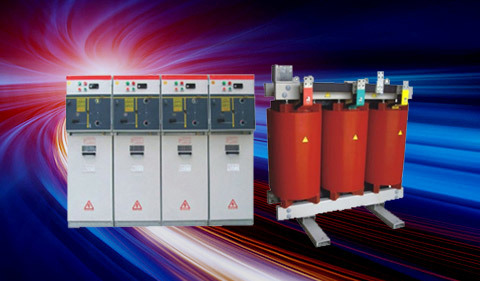
Withdrawable switchgear is a vital component within the electrical engineering and transformer sector, particularly in the context of power distribution and management. This type of switchgear is designed to enhance operational flexibility and safety while providing reliable protection and control for electrical circuits. One of the primary advantages of withdrawable switchgear is its ability to allow for easy maintenance and replacement of key components without disrupting the overall system.
Withdrawable switchgear typically consists of switchgear units that can be easily withdrawn from their housing, enabling technicians to perform maintenance tasks without the need for extensive downtime. This feature is particularly valuable in environments where continuous operation is essential, such as power generation facilities, industrial plants, and commercial buildings. By minimizing disruption, organizations can maintain productivity while ensuring the longevity of their electrical infrastructure.
Safety is another crucial aspect of withdrawable switchgear. These systems are often equipped with advanced protective measures to guard against electrical faults and overloads. Features such as interlocks and circuit breakers are designed to prevent accidental contact with live parts, thus enhancing the safety of personnel working in proximity to the switchgear. Furthermore, many modern designs incorporate additional monitoring systems that provide real-time feedback on performance, enabling proactive maintenance and minimizing the risk of failures.
In terms of operational efficiency, withdrawable switchgear allows for quick adjustments to the electrical system as demands fluctuate. This adaptability is particularly beneficial in settings where load management is critical, as it permits the reconfiguration of circuits to optimize performance. Additionally, the modular nature of withdrawable switchgear means that components can be upgraded or replaced as technology advances, ensuring that the system remains efficient and up-to-date.
Another key consideration when selecting withdrawable switchgear is its compatibility with existing infrastructure. It is essential to evaluate the specific requirements of your electrical system to ensure that the switchgear can integrate seamlessly. Factors such as voltage ratings, current capacity, and environmental conditions must all be taken into account.
In conclusion, withdrawable switchgear is an indispensable asset in the electrical industry, particularly in the realm of power transformers and distribution. Its benefits include enhanced safety, operational flexibility, and the ability to maintain continuous operation during maintenance activities. By understanding the vital role that withdrawable switchgear plays in electrical systems, professionals in the industry can make informed decisions that ultimately lead to improved performance and reliability in their operations.
Withdrawable switchgear typically consists of switchgear units that can be easily withdrawn from their housing, enabling technicians to perform maintenance tasks without the need for extensive downtime. This feature is particularly valuable in environments where continuous operation is essential, such as power generation facilities, industrial plants, and commercial buildings. By minimizing disruption, organizations can maintain productivity while ensuring the longevity of their electrical infrastructure.
Safety is another crucial aspect of withdrawable switchgear. These systems are often equipped with advanced protective measures to guard against electrical faults and overloads. Features such as interlocks and circuit breakers are designed to prevent accidental contact with live parts, thus enhancing the safety of personnel working in proximity to the switchgear. Furthermore, many modern designs incorporate additional monitoring systems that provide real-time feedback on performance, enabling proactive maintenance and minimizing the risk of failures.
In terms of operational efficiency, withdrawable switchgear allows for quick adjustments to the electrical system as demands fluctuate. This adaptability is particularly beneficial in settings where load management is critical, as it permits the reconfiguration of circuits to optimize performance. Additionally, the modular nature of withdrawable switchgear means that components can be upgraded or replaced as technology advances, ensuring that the system remains efficient and up-to-date.
Another key consideration when selecting withdrawable switchgear is its compatibility with existing infrastructure. It is essential to evaluate the specific requirements of your electrical system to ensure that the switchgear can integrate seamlessly. Factors such as voltage ratings, current capacity, and environmental conditions must all be taken into account.
In conclusion, withdrawable switchgear is an indispensable asset in the electrical industry, particularly in the realm of power transformers and distribution. Its benefits include enhanced safety, operational flexibility, and the ability to maintain continuous operation during maintenance activities. By understanding the vital role that withdrawable switchgear plays in electrical systems, professionals in the industry can make informed decisions that ultimately lead to improved performance and reliability in their operations.
Related News
Nantong Longxiang Electrical Equipment Co., Ltd.

sweep, mobile version!
Copyright©2024 Nantong Longxiang Electrical Equipment Co., Ltd. 丨Tag l Powered by 300.cn
Business License
 86-13057026999