




-
NEWS
Key Advantages of Implementing Prefabricated Substations in Your Project
Release time:
2026-02-27
Key Advantages of Implementing Prefabricated Substations in Your Project In the ever-evolving landscape of electrical engineering, the demand for efficient and reliable power distribution systems has never been higher. As projects expand in scale and complexity, the construction and implementation of substations are pivotal in ensuring a stable power supply. One innovative solution that has emerge
Key Advantages of Implementing Prefabricated Substations in Your Project
In the ever-evolving landscape of electrical engineering, the demand for efficient and reliable power distribution systems has never been higher. As projects expand in scale and complexity, the construction and implementation of substations are pivotal in ensuring a stable power supply. One innovative solution that has emerged in recent years is the **prefabricated substation**. This article delves into the significant advantages of prefabricated substations, illuminating how they can revolutionize your power distribution projects.
Table of Contents
- 1. Introduction to Prefabricated Substations
- 2. Cost Efficiency of Prefabricated Substations
- 3. Reduced Construction Time
- 4. Improved Quality Control
- 5. Enhanced Safety Features
- 6. Flexibility and Customization
- 7. Environmental Benefits
- 8. Case Studies and Success Stories
- 9. Conclusion
- 10. Frequently Asked Questions
1. Introduction to Prefabricated Substations
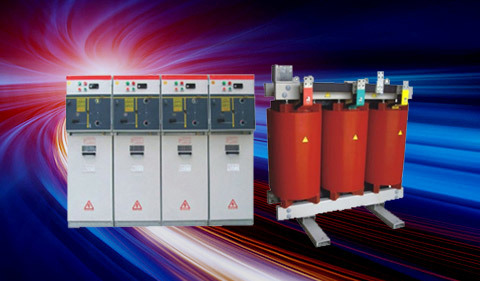
Prefabricated substations are pre-assembled units that house essential electrical components, including transformers, switchgear, and circuit breakers, in a compact design. These units can be delivered to the project site ready for installation, significantly streamlining the construction process. As urban areas grow and energy demands increase, the demand for efficient, reliable, and space-saving solutions becomes paramount.
2. Cost Efficiency of Prefabricated Substations
One of the most compelling advantages of prefabricated substations is their **cost efficiency**. By reducing labor costs and minimizing on-site construction time, these units can substantially lower overall project expenses. Traditional substations often require extensive civil works, which can be labor-intensive and time-consuming. In contrast, prefabricated units are manufactured in a controlled environment, which optimizes labor costs and material use.
Additionally, the modular nature of prefabricated substations allows for easier scalability. This means that as the demand for electricity grows, expanding the substation can be done with minimal disruption and cost. The predictability of costs associated with prefabricated solutions further enables better budgeting and financial planning for ongoing projects.
3. Reduced Construction Time
Time is a critical factor in any construction project, especially in the electrical sector. Prefabricated substations offer a significant reduction in construction time. Since these units are constructed off-site, the assembly can occur simultaneously with site preparation activities. This parallel workflow leads to faster project completion times, allowing electrical networks to be operational sooner.
Furthermore, the **modular design** of prefabricated substations means that they can be easily transported and installed at the desired location. This ease of transport and installation eliminates delays often associated with traditional construction methods, making it possible to meet project deadlines more consistently.
4. Improved Quality Control
Quality assurance is critical in electrical infrastructure, where reliability is paramount. Prefabricated substations are built in controlled manufacturing environments, which enhances quality control measures. By centralizing production, manufacturers can implement strict quality checks and standardize processes to ensure each unit meets the required specifications and safety standards.
This controlled environment also allows for the integration of advanced technologies and materials that may not be feasible in traditional on-site construction. As a result, prefabricated substations often exhibit greater durability and performance consistency, which can lead to longer service life and reduced maintenance costs.
5. Enhanced Safety Features
When it comes to electrical installations, safety cannot be compromised. Prefabricated substations come equipped with enhanced safety features, including advanced fire protection systems, robust enclosures, and proper ventilation mechanisms. These safety measures are designed to minimize risks associated with electrical faults and environmental hazards.
Moreover, the prefabricated nature of these substations reduces the need for extensive on-site electrical work, which can be hazardous. By minimizing the amount of fieldwork required, the potential for accidents decreases, making prefabricated solutions safer for workers and the surrounding community.
6. Flexibility and Customization
Every electrical project has unique requirements, and prefabricated substations offer incredible flexibility and customization. These units can be tailored to fit specific project needs, including size, design, and component configuration. Whether you require a compact substation for an urban setting or a larger unit for a more extensive project, prefabricated solutions can be designed to meet your specifications.
This ability to customize also extends to the integration of renewable energy sources. As the push for sustainability increases, many projects incorporate solar panels and wind turbines. Prefabricated substations can seamlessly integrate these technologies into their design, supporting a more sustainable approach to energy distribution.
7. Environmental Benefits
Implementing prefabricated substations contributes positively to environmental sustainability. The manufacturing process is often more efficient, leading to reduced waste generation. Additionally, by minimizing on-site construction activities, the environmental impact associated with traditional construction—such as noise pollution, soil degradation, and habitat disruption—is significantly lowered.
Furthermore, prefabricated substations can be designed to promote energy efficiency. Features such as advanced cooling systems and energy monitoring technologies can be integrated, reducing the overall carbon footprint of the electrical infrastructure.
8. Case Studies and Success Stories
Several successful implementations of prefabricated substations demonstrate their advantages across various sectors. For instance, a major city project in [City Name] utilized prefabricated substations to meet the growing energy demands of its urban population. This project not only completed ahead of schedule but also under budget, showcasing the cost-effective nature of prefabrication.
Another example can be found in the renewable energy sector, where a prefabricated substation was deployed to support a large solar farm. This setup allowed for rapid deployment and integration of renewable energy into the existing grid, highlighting the versatility and adaptability of prefabricated solutions.
9. Conclusion
The advantages of implementing prefabricated substations in electrical projects are clear and compelling. From cost savings and reduced construction time to improved safety and environmental benefits, these units are transforming how we approach electrical infrastructure. As the demand for reliable and sustainable power solutions continues to rise, it is essential to consider prefabricated substations as a viable and efficient choice for your next project.
10. Frequently Asked Questions
1. What are prefabricated substations?
Prefabricated substations are pre-assembled electrical units that contain critical components like transformers and switchgear, designed for quick installation at project sites.
2. How do prefabricated substations save costs?
They reduce labor and material costs by minimizing on-site construction time and allowing for standardized manufacturing processes, leading to predictable budgeting.
3. Can prefabricated substations be customized?
Yes, these substations can be tailored to meet specific project requirements, including size, design, and the integration of renewable energy sources.
4. What safety features do prefabricated substations have?
They are equipped with advanced safety measures, including fire protection systems and robust enclosures, designed to minimize risks associated with electrical faults.
5. Are prefabricated substations environmentally friendly?
Yes, they contribute to environmental sustainability by reducing waste, minimizing on-site construction impacts, and promoting energy efficiency in design.
Related News
Nantong Longxiang Electrical Equipment Co., Ltd.

sweep, mobile version!
Copyright©2024 Nantong Longxiang Electrical Equipment Co., Ltd. 丨Tag l Powered by 300.cn
 86-13057026999