




-
NEWS
Comparing Three-Phase Resin Insulated Dry Transformers with Traditional Transformers: An In-Depth Analysis
Release time:
2026-03-03
Comparing Three-Phase Resin Insulated Dry Transformers with Traditional Transformers Table of Contents Introduction to Transformers Understanding Three-Phase Resin Insulated Dry Transformers Traditional Transformers: An Overview Key Comparisons Between Three-Phase Resin Insulated Dry Transformers and Traditional Transformers Design and Construction Differences Efficiency and Performan
Comparing Three-Phase Resin Insulated Dry Transformers with Traditional Transformers
Table of Contents
- Introduction to Transformers
- Understanding Three-Phase Resin Insulated Dry Transformers
- Traditional Transformers: An Overview
- Key Comparisons Between Three-Phase Resin Insulated Dry Transformers and Traditional Transformers
- Design and Construction Differences
- Efficiency and Performance Analysis
- Maintenance Requirements: A Comparative Study
- Applications in the Electricity Industry
- Frequently Asked Questions (FAQs)
- Conclusion
Introduction to Transformers
Transformers play a crucial role in the electrical industry by transferring electrical energy between circuits. They adjust voltage levels from one circuit to another, making them essential for efficient power distribution. With the advancement of technology, various types of transformers have emerged, each with specific benefits and applications. **Three-phase resin insulated dry transformers** and **traditional transformers** stand out due to their distinct construction and operational efficiencies.
Understanding Three-Phase Resin Insulated Dry Transformers
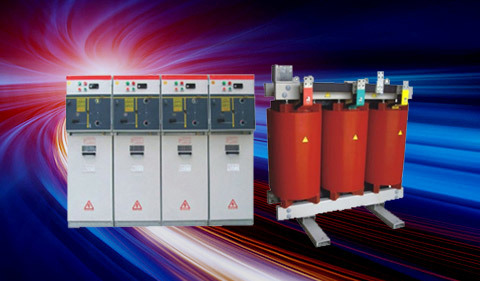
Three-phase resin insulated dry transformers are designed to operate without any liquid insulation. Instead, they utilize resin to insulate their windings, which makes them suitable for a variety of applications. Their design allows for a compact structure while providing excellent performance and reliability.
**Key Features:**
1. **No Oil Required:** This eliminates environmental concerns related to oil leaks.
2. **Compact Size:** Their design allows for efficient use of space, making them ideal for installations with limited room.
3. **Low Maintenance:** With fewer components subject to wear and tear, these transformers require less frequent maintenance compared to traditional options.
Traditional Transformers: An Overview
Traditional transformers utilize oil as an insulating medium. They are widely known for their robust construction and capability to handle various load conditions. These transformers have been the backbone of electrical systems for decades.
**Key Features:**
1. **Oil-Insulated:** The use of oil for insulation helps in cooling the transformer during operation.
2. **Established Technology:** Traditional transformers are well-understood, with a proven track record in the industry.
3. **Larger Footprint:** Their design typically requires a more substantial installation area due to the oil containment systems and additional cooling mechanisms.
Key Comparisons Between Three-Phase Resin Insulated Dry Transformers and Traditional Transformers
When comparing three-phase resin insulated dry transformers with traditional transformers, several aspects come into play, including safety, environmental impact, efficiency, and application suitability.
Safety Considerations
Safety is paramount in electrical installations. **Three-phase resin insulated dry transformers** are inherently safer due to their non-flammable characteristics. In contrast, traditional transformers, filled with oil, pose a fire risk in the event of a failure.
Environmental Impact
The environmental benefits of **resin insulated dry transformers** are significant. Without the need for oil, they eliminate the risk of contamination in the event of leaks. Moreover, their recyclable materials contribute to sustainability efforts in the electrical industry.
Operational Efficiency
**Efficiency** is another crucial factor. While both transformer types can achieve high efficiency levels, three-phase resin insulated dry transformers often outperform traditional models in terms of thermal performance and reduced energy losses.
Installation and Footprint
**Installation** requirements differ significantly between the two types. Resin insulated transformers are more compact, which allows for flexible installation options. Traditional transformers, on the other hand, require larger areas to accommodate oil containment and cooling systems.
Design and Construction Differences
The design and construction of these transformers are pivotal in determining their operational characteristics.
Winding Insulation
Three-phase resin insulated dry transformers use resin for insulation, providing high dielectric strength and resistance to moisture. Traditional transformers utilize paper insulation soaked in oil, which is effective but more susceptible to degradation over time.
Cooling Mechanisms
**Cooling** in traditional transformers relies heavily on oil circulation, which can be inefficient in certain conditions. Conversely, resin insulated transformers naturally dissipate heat through their construction, optimizing performance and reducing the need for additional cooling systems.
Efficiency and Performance Analysis
The efficiency of a transformer is fundamentally tied to its design.
Energy Losses
**Energy losses** occur in the form of heat generated by resistance and other factors. Three-phase resin insulated dry transformers typically exhibit lower energy losses due to their superior thermal performance and reduced resistance.
Load Handling
Both types of transformers are capable of handling various loads; however, resin insulated transformers are often better suited for fluctuating load conditions due to their design and construction.
Maintenance Requirements: A Comparative Study
Proper maintenance is essential to ensure the longevity and reliability of transformers.
Inspection and Upkeep
Three-phase resin insulated dry transformers require less frequent inspections and maintenance compared to traditional oil-filled transformers. The absence of oil eliminates concerns related to leakage and contamination, allowing for straightforward upkeep.
Longevity and Durability
The lifespan of transformers is influenced by their materials and construction. **Resin insulated transformers** are generally more durable due to their resistance to moisture and thermal degradation, often resulting in lower replacement costs over time.
Applications in the Electricity Industry
The applications of transformers vary widely based on their design and specifications.
Typical Use Cases for Three-Phase Resin Insulated Dry Transformers
These transformers are ideal for indoor applications, such as in commercial buildings, hospitals, and data centers, where safety and space efficiency are paramount.
Traditional Transformer Applications
Traditional transformers are commonly used in outdoor settings, substations, and industrial applications where robustness and reliability are critical.
Frequently Asked Questions (FAQs)
1. What is the main advantage of three-phase resin insulated dry transformers?
**Three-phase resin insulated dry transformers** are safer, more environmentally friendly, and require less maintenance compared to traditional transformers.
2. Are traditional transformers still widely used?
Yes, traditional transformers remain widely used, especially in outdoor and industrial applications due to their robustness and established technology.
3. How do the installation requirements differ between the two types?
Resin insulated transformers require a smaller footprint and are more versatile for installation, whereas traditional transformers need larger spaces for oil containment and cooling.
4. Can three-phase resin insulated dry transformers handle high loads?
Yes, they are designed to manage high loads effectively, offering excellent performance under varying load conditions.
5. What maintenance is required for traditional transformers?
Traditional transformers require regular inspections, oil testing, and potential oil replacement to ensure their continued operation and safety.
Conclusion
In conclusion, both three-phase resin insulated dry transformers and traditional transformers serve essential roles in the electrical industry. **Three-phase resin insulated dry transformers** offer numerous advantages concerning safety, environmental impact, efficiency, and maintenance requirements, making them an attractive choice for modern applications. Traditional transformers, while reliable and robust, may not provide the same level of efficiency and sustainability. As technology continues to evolve, understanding these differences will help industry professionals make informed decisions that align with their specific needs and the demands of future electrical systems.
Related News
Nantong Longxiang Electrical Equipment Co., Ltd.

sweep, mobile version!
Copyright©2024 Nantong Longxiang Electrical Equipment Co., Ltd. 丨Tag l Powered by 300.cn
Business License
 86-13057026999