




-
NEWS
Understanding Three-Phase Transformers: Essential Insights for Electrical Applications
Release time:
2026-03-09
Three-phase transformers play a vital role in electrical power distribution, particularly in industrial and commercial applications. These transformers are designed to handle three-phase electrical systems, which are widely used due to their efficiency and ability to transmit large amounts of power over long distances. Understanding the operation and advantages of three-phase transformers can sign
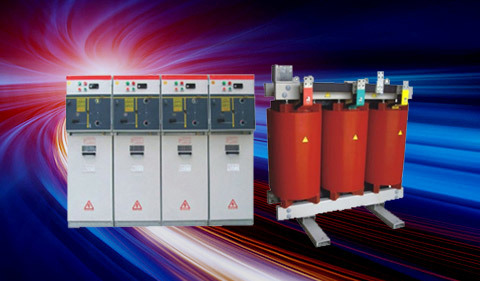
Three-phase transformers play a vital role in electrical power distribution, particularly in industrial and commercial applications. These transformers are designed to handle three-phase electrical systems, which are widely used due to their efficiency and ability to transmit large amounts of power over long distances. Understanding the operation and advantages of three-phase transformers can significantly benefit electrical engineers, technicians, and anyone involved in power system management.
A three-phase transformer consists of three sets of windings, which can be interconnected in various configurations, such as delta or wye (star). The choice of configuration depends on the specific application and requirements of the power system. Delta connections are typically used for high-power applications, while wye configurations are favored for grounding and phase balancing purposes. This versatility allows three-phase transformers to adapt to diverse electrical environments.
One of the primary advantages of three-phase transformers is their efficiency. They can deliver more power using less copper and iron compared to single-phase transformers, which makes them a cost-effective solution for large-scale power distribution. Additionally, three-phase systems promote smoother power supply with reduced voltage drop, which is crucial for maintaining the performance of electrical devices.
Three-phase transformers also enhance the stability of the power system. They provide a balanced load distribution across all three phases, reducing the risk of overloading and prolonging the lifespan of the equipment. This balance is essential for industries that rely on heavy machinery, ensuring uninterrupted operations and minimizing downtime.
In terms of applications, three-phase transformers are commonly used in substations, power plants, and industrial facilities. They are essential for stepping down high voltage levels for safe distribution to commercial and residential users. Furthermore, they play a significant role in renewable energy systems, such as wind and solar farms, where they help integrate the generated power into the grid efficiently.
It's also worth noting that maintenance of three-phase transformers is crucial for their longevity and performance. Regular checks on insulation, connections, and coolant levels can prevent potential failures and ensure optimal operation. Investing in proper maintenance practices not only extends the life of the transformer but also enhances the safety and reliability of the electrical system.
In conclusion, three-phase transformers are indispensable components in the electrical industry that enable efficient power distribution and enhance system stability. Their design flexibility, efficiency, and application versatility make them a preferred choice for professionals looking to optimize their electrical systems. Understanding the key features and benefits of three-phase transformers can lead to better decision-making and improved operational performance in various electrical applications.
A three-phase transformer consists of three sets of windings, which can be interconnected in various configurations, such as delta or wye (star). The choice of configuration depends on the specific application and requirements of the power system. Delta connections are typically used for high-power applications, while wye configurations are favored for grounding and phase balancing purposes. This versatility allows three-phase transformers to adapt to diverse electrical environments.
One of the primary advantages of three-phase transformers is their efficiency. They can deliver more power using less copper and iron compared to single-phase transformers, which makes them a cost-effective solution for large-scale power distribution. Additionally, three-phase systems promote smoother power supply with reduced voltage drop, which is crucial for maintaining the performance of electrical devices.
Three-phase transformers also enhance the stability of the power system. They provide a balanced load distribution across all three phases, reducing the risk of overloading and prolonging the lifespan of the equipment. This balance is essential for industries that rely on heavy machinery, ensuring uninterrupted operations and minimizing downtime.
In terms of applications, three-phase transformers are commonly used in substations, power plants, and industrial facilities. They are essential for stepping down high voltage levels for safe distribution to commercial and residential users. Furthermore, they play a significant role in renewable energy systems, such as wind and solar farms, where they help integrate the generated power into the grid efficiently.
It's also worth noting that maintenance of three-phase transformers is crucial for their longevity and performance. Regular checks on insulation, connections, and coolant levels can prevent potential failures and ensure optimal operation. Investing in proper maintenance practices not only extends the life of the transformer but also enhances the safety and reliability of the electrical system.
In conclusion, three-phase transformers are indispensable components in the electrical industry that enable efficient power distribution and enhance system stability. Their design flexibility, efficiency, and application versatility make them a preferred choice for professionals looking to optimize their electrical systems. Understanding the key features and benefits of three-phase transformers can lead to better decision-making and improved operational performance in various electrical applications.
Related News
Nantong Longxiang Electrical Equipment Co., Ltd.

sweep, mobile version!
Copyright©2024 Nantong Longxiang Electrical Equipment Co., Ltd. 丨Tag l Powered by 300.cn
Business License
 86-13057026999