




-
NEWS
The Impact of Three-Phase Transformers on Industrial Applications
Release time:
2026-03-27
The Impact of Three-Phase Transformers on Industrial Applications Table of Contents 1. Introduction 2. Understanding Three-Phase Transformers 3. Operational Efficiency of Three-Phase Transformers 4. Advantages of Three-Phase Transformers in Industry 5. Common Industrial Applications of Three-Phase Transformers 6. Sustainability and Energy Efficiency 7. The Future of
The Impact of Three-Phase Transformers on Industrial Applications
Table of Contents
- 1. Introduction
- 2. Understanding Three-Phase Transformers
- 3. Operational Efficiency of Three-Phase Transformers
- 4. Advantages of Three-Phase Transformers in Industry
- 5. Common Industrial Applications of Three-Phase Transformers
- 6. Sustainability and Energy Efficiency
- 7. The Future of Three-Phase Transformers
- 8. Frequently Asked Questions
- 9. Conclusion
1. Introduction
In the rapidly evolving landscape of industrial applications, **three-phase transformers** play a pivotal role in improving operational efficiency and ensuring reliable power supply. As industries become more energy-intensive, the demand for advanced power management solutions has never been greater. This article explores the **impact of three-phase transformers** on various industrial sectors, highlighting their importance in enhancing productivity, reducing energy costs, and promoting sustainability.
2. Understanding Three-Phase Transformers
Three-phase transformers are critical components in electrical systems that convert voltages from one level to another while maintaining the same power frequency. They consist of three sets of windings, allowing for the efficient transformation of electrical energy. To grasp their significance, we must first understand how they operate.
2.1 What Are Three-Phase Transformers?
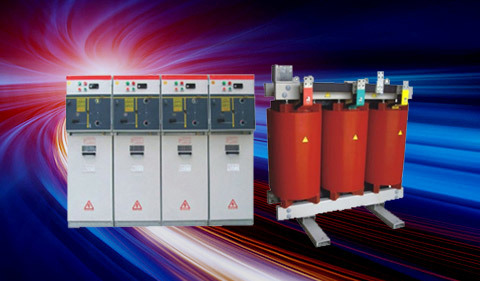
A **three-phase transformer** is designed to handle three-phase power systems, which are widely used in industrial plants due to their efficiency and reliability. These transformers can be configured in various ways, including delta-delta, delta-wye, and wye-wye connections, depending on the specific requirements of the application.
2.2 How Do They Work?
The operation of three-phase transformers is based on electromagnetic induction. When alternating current flows through the primary windings, it generates a magnetic field that induces a voltage in the secondary windings. This process is highly efficient, allowing for the transfer of power with minimal losses.
3. Operational Efficiency of Three-Phase Transformers
One of the primary advantages of three-phase transformers is their operational efficiency. They provide a balanced power supply, which is essential for running heavy machinery and industrial equipment.
3.1 Load Balancing
Three-phase transformers distribute electrical loads evenly across the three phases, minimizing fluctuations and reducing the risk of equipment failure. This balanced load distribution is vital for maintaining the stability of industrial processes.
3.2 Reduced Energy Losses
Three-phase systems inherently reduce energy losses compared to single-phase systems. The efficiency of three-phase transformers ensures that less energy is wasted as heat, leading to lower operational costs and increased profitability for industrial enterprises.
4. Advantages of Three-Phase Transformers in Industry
The benefits of three-phase transformers extend beyond operational efficiency. They offer numerous advantages that contribute to the overall effectiveness of industrial applications.
4.1 High Power Capability
Three-phase transformers can handle higher power levels, making them suitable for large industrial applications. Their ability to manage substantial loads allows industries to scale operations without the need for additional transformers.
4.2 Compact Design
These transformers are more compact than their single-phase counterparts, as they can deliver the same power output in a smaller footprint. This space-saving design is particularly beneficial in industries where real estate is at a premium.
4.3 Improved Reliability
Three-phase transformers provide enhanced reliability in power supply, reducing the likelihood of outages and downtime. This is crucial for maintaining continuous production and meeting tight deadlines in industrial settings.
5. Common Industrial Applications of Three-Phase Transformers
Three-phase transformers are employed across various industries, including manufacturing, energy, and transportation. Their versatility makes them indispensable in numerous applications.
5.1 Manufacturing Industry
In the manufacturing sector, three-phase transformers power machinery such as induction motors, CNC machines, and conveyor systems. Their ability to maintain stable voltage levels ensures that these machines operate efficiently and effectively.
5.2 Energy Sector
In the energy sector, three-phase transformers are crucial for power generation and distribution. They facilitate the transmission of electricity over long distances, ensuring that end-users receive a reliable power supply.
5.3 Transportation and Infrastructure
Three-phase transformers play a vital role in transportation systems, including railways and electric vehicle charging stations. They provide the necessary power to operate electric trains and facilitate fast charging for electric vehicles, aligning with the growing demand for sustainable transportation solutions.
6. Sustainability and Energy Efficiency
As industries strive for sustainability, three-phase transformers contribute significantly to energy efficiency and environmental protection.
6.1 Reducing Carbon Footprint
By minimizing energy losses and enhancing operational efficiency, three-phase transformers help industries reduce their carbon footprint. This aligns with global sustainability goals and regulatory requirements aimed at lowering greenhouse gas emissions.
6.2 Integration with Renewable Energy
Three-phase transformers are essential for integrating renewable energy sources, such as wind and solar, into the power grid. They enable the smooth transition of power and ensure that renewable energy can be effectively harnessed and utilized in industrial applications.
7. The Future of Three-Phase Transformers
The future of three-phase transformers looks promising as technological advancements continue to evolve. Innovations in materials, design, and smart grid technology are poised to enhance their efficiency and functionality.
7.1 Smart Transformers
The emergence of smart transformers equipped with advanced monitoring and control systems will allow for real-time data analytics and improved grid management. This technology will enable industries to optimize energy consumption and respond dynamically to changing demands.
7.2 Enhanced Materials
Advancements in transformer materials, such as amorphous steel, are expected to improve efficiency further and reduce energy losses. These innovations will contribute to the ongoing efforts to create sustainable and environmentally friendly industrial practices.
8. Frequently Asked Questions
8.1 What are the key benefits of using three-phase transformers in industrial applications?
The key benefits include high power capacity, compact design, operational efficiency, and improved reliability, all of which contribute to enhanced productivity and reduced operational costs.
8.2 How do three-phase transformers compare to single-phase transformers?
Three-phase transformers are more efficient, can handle higher loads, and provide a more stable power supply compared to single-phase transformers, making them ideal for industrial settings.
8.3 What role do three-phase transformers play in renewable energy integration?
They facilitate the smooth transmission of power from renewable sources to the grid, ensuring that energy can be effectively harnessed and utilized in various applications.
8.4 Are three-phase transformers suitable for small-scale applications?
While three-phase transformers are primarily used in larger industrial applications, they can also be utilized in small-scale operations where higher power levels are required.
8.5 How can industries ensure the optimal performance of three-phase transformers?
Regular maintenance, monitoring, and upgrades are essential for ensuring the efficiency and reliability of three-phase transformers in industrial applications.
9. Conclusion
Three-phase transformers are integral to modern industrial applications, offering numerous advantages that enhance operational efficiency, reliability, and sustainability. As industries continue to evolve, the importance of these transformers will only grow. By understanding their impact and potential, businesses can harness their capabilities to achieve greater productivity and contribute to a more sustainable future. Embracing three-phase transformers not only ensures efficient power management but also aligns with the global push toward energy conservation and environmental responsibility.
Related News
Nantong Longxiang Electrical Equipment Co., Ltd.

sweep, mobile version!
Copyright©2024 Nantong Longxiang Electrical Equipment Co., Ltd. 丨Tag l Powered by 300.cn
Business License
 86-13057026999