




-
NEWS
How Three-Phase Transformers Enhance Motor Efficiency and Performance
Release time:
2026-05-02
How Three-Phase Transformers Enhance Motor Efficiency and Performance Table of Contents Introduction to Three-Phase Transformers Understanding Three-Phase Transformers The Role of Three-Phase Transformers in Motor Systems Advantages of Three-Phase Transformers in Enhancing Motor Performance How Three-Phase Transformers Reduce Energy Losses Applications of Three-Phase Trans
How Three-Phase Transformers Enhance Motor Efficiency and Performance
Table of Contents
- Introduction to Three-Phase Transformers
- Understanding Three-Phase Transformers
- The Role of Three-Phase Transformers in Motor Systems
- Advantages of Three-Phase Transformers in Enhancing Motor Performance
- How Three-Phase Transformers Reduce Energy Losses
- Applications of Three-Phase Transformers in Industrial Settings
- Future Trends in Three-Phase Transformer Technology
- Conclusion
- Frequently Asked Questions
Introduction to Three-Phase Transformers
Three-phase transformers are essential components in modern power systems, particularly when it comes to enhancing motor performance. By converting electrical energy from one voltage level to another, they play a crucial role in optimizing the efficiency of electrical motors and other equipment. In this article, we will explore how these transformers improve motor performance, making them indispensable for industrial and commercial applications.
Understanding Three-Phase Transformers
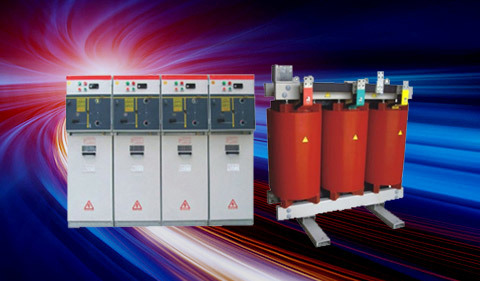
Three-phase transformers consist of three sets of windings, each corresponding to a phase of the electrical system. Unlike single-phase transformers, which handle one phase of power, three-phase transformers manage three phases simultaneously, enabling more efficient power distribution. This configuration not only balances the load across all three phases but also minimizes the risk of overheating and energy losses.
The Basic Components of a Three-Phase Transformer
The main components of a three-phase transformer include:
1. **Primary Windings:** These windings receive electrical energy from the power source.
2. **Secondary Windings:** These deliver transformed energy at the desired voltage to the load.
3. **Core:** The core, made of magnetic material, facilitates the transfer of energy between the windings.
4. **Insulation:** Proper insulation ensures safety and efficiency by preventing energy loss through leakage.
How Three-Phase Transformers Operate
When an alternating current flows through the primary windings, it creates a magnetic field in the core. This magnetic field induces a current in the secondary windings, allowing energy transfer. By adjusting the number of turns in the windings, engineers can control the voltage levels, making three-phase transformers versatile and efficient.
The Role of Three-Phase Transformers in Motor Systems
In motor applications, three-phase transformers serve several critical functions that enhance performance:
- **Voltage Regulation:** They stabilize voltage levels, ensuring motors receive the appropriate power supply for optimal operation.
- **Load Balancing:** By distributing electrical loads evenly across phases, three-phase transformers prevent overload and extend motor life.
- **Improved Starting Currents:** They facilitate higher starting currents, enabling motors to overcome initial inertia and start more efficiently.
Advantages of Three-Phase Transformers in Enhancing Motor Performance
The implementation of three-phase transformers offers numerous advantages that directly contribute to improved motor performance:
1. **Higher Efficiency:** Three-phase systems can transmit more power with less energy loss compared to single-phase systems, improving overall efficiency.
2. **Reduced Vibration:** The balanced load reduces mechanical stress on motor components, minimizing vibrations and extending equipment lifespans.
3. **Improved Torque Characteristics:** Motors powered by three-phase transformers exhibit superior torque characteristics, delivering better performance in demanding applications.
4. **Lower Operating Costs:** Enhanced efficiency leads to reduced energy consumption, translating into lower operating costs for businesses.
How Three-Phase Transformers Reduce Energy Losses
Energy losses in electrical systems can significantly impact operational costs. Three-phase transformers play a vital role in minimizing these losses through several mechanisms:
- **Reduced Heating:** Efficient energy transfer results in lower heat generation, which helps maintain optimal operating temperatures in motors.
- **Lower Copper Losses:** The balanced load in three-phase systems reduces the amount of current flowing through each winding, subsequently lowering copper losses (I²R losses).
- **Minimized Stray Losses:** Proper design and construction of three-phase transformers help reduce stray losses, ensuring more energy reaches the end load.
Applications of Three-Phase Transformers in Industrial Settings
Three-phase transformers find a wide range of applications across various industries, including:
1. **Manufacturing:** In manufacturing facilities, three-phase transformers power heavy machinery, ensuring consistent performance and productivity.
2. **HVAC Systems:** They are integral to heating, ventilation, and air conditioning systems, providing the necessary power for efficient operation.
3. **Renewable Energy:** Three-phase transformers play a crucial role in renewable energy installations, such as wind and solar power systems, enhancing energy management.
4. **Mining Operations:** In mining applications, three-phase transformers are essential for operating equipment in challenging environments, ensuring reliability and safety.
Future Trends in Three-Phase Transformer Technology
As technology evolves, so too does the design and functionality of three-phase transformers. Emerging trends include:
- **Smart Transformers:** The integration of IoT technology allows for real-time monitoring and remote management, enhancing efficiency and performance.
- **Eco-Friendly Designs:** Manufacturers are focusing on sustainable materials and energy-efficient designs to reduce environmental impact.
- **Advanced Cooling Techniques:** Innovative cooling methods, such as liquid immersion, are being developed to further improve efficiency and longevity.
Conclusion
Three-phase transformers are indispensable components in optimizing motor performance across various applications. Their ability to enhance efficiency, reduce energy losses, and improve operational stability makes them a vital investment for industries relying on electrical motors. As technology continues to advance, we can anticipate even greater improvements in transformer design and functionality, paving the way for more efficient and sustainable electrical systems.
Frequently Asked Questions
1. What are the main benefits of using three-phase transformers in motor systems?
The main benefits include improved efficiency, reduced energy losses, better torque characteristics, and lower operating costs.
2. How do three-phase transformers differ from single-phase transformers?
Three-phase transformers manage three phases of power simultaneously, providing greater efficiency and load balancing compared to single-phase transformers.
3. In which industries are three-phase transformers commonly used?
They are widely used in manufacturing, HVAC systems, renewable energy installations, and mining operations.
4. Can three-phase transformers help reduce energy costs?
Yes, their enhanced efficiency and reduced energy losses contribute to lower operational costs for businesses.
5. What are some emerging trends in three-phase transformer technology?
Emerging trends include smart transformers with IoT integration, eco-friendly designs, and advanced cooling techniques.
Related News
Nantong Longxiang Electrical Equipment Co., Ltd.

sweep, mobile version!
Copyright©2024 Nantong Longxiang Electrical Equipment Co., Ltd. 丨Tag l Powered by 300.cn
Business License
 86-13057026999