




-
NEWS
Innovations in Prefabricated Substation Design for Improved Performance
Release time:
2026-05-10
Innovations in Prefabricated Substation Design for Improved Performance Table of Contents Introduction to Prefabricated Substation Design What is a Prefabricated Substation? Advantages of Prefabricated Substations Latest Innovations in Prefabricated Substation Design Smart Technologies in Substation Design Sustainability Considerations in Substation Design Case Studies
Innovations in Prefabricated Substation Design for Improved Performance
Table of Contents
- Introduction to Prefabricated Substation Design
- What is a Prefabricated Substation?
- Advantages of Prefabricated Substations
- Latest Innovations in Prefabricated Substation Design
- Smart Technologies in Substation Design
- Sustainability Considerations in Substation Design
- Case Studies: Successful Implementations
- Future Trends in Prefabricated Substation Design
- Frequently Asked Questions (FAQs)
- Conclusion
Introduction to Prefabricated Substation Design
The evolution of electrical infrastructure has led to the emergence of prefabricated substations, which are revolutionizing how we manage power distribution. These units are engineered off-site, assembled into compact designs, and then transported to their operational locations. This innovative approach is not only enhancing performance but also reducing installation timelines and costs.
What is a Prefabricated Substation?
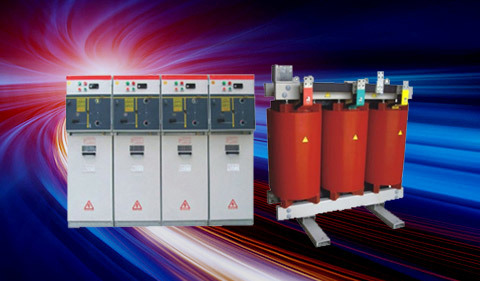
A prefabricated substation is a compact, modular electrical system that houses various components, including transformers, switchgear, and control equipment. These structures are designed for easy transport and quick deployment, making them ideal for remote locations and urban environments alike. They come equipped with advanced technology to ensure efficient energy distribution while maintaining safety and reliability.
Advantages of Prefabricated Substations
Prefabricated substations present several advantages over traditional designs:
1. Cost-Effectiveness
The off-site construction of prefabricated substations significantly reduces labor costs and time associated with on-site assembly. Additionally, standardized designs allow for economies of scale during production.
2. Reduced Installation Time
Prefabricated units can be installed rapidly, often within days instead of weeks or months. This quick deployment is crucial for meeting urgent energy demands.
3. Enhanced Safety
With major components assembled and tested off-site, prefabricated substations minimize risks associated with on-site assembly. They adhere to stringent safety standards, ensuring reliability and protection for both personnel and equipment.
4. Flexibility and Scalability
These modular designs allow for easy scalability. As energy demands grow, additional units can be added without disrupting existing infrastructure.
5. Improved Performance
Innovative technologies integrated into prefabricated substations enhance performance metrics, including energy efficiency, reliability, and operational longevity.
Latest Innovations in Prefabricated Substation Design
The electrical industry is witnessing a plethora of innovations in the design of prefabricated substations:
1. Modular Design
Modern prefabricated substations feature modular designs that allow for easy customization based on specific energy needs. These modular units can be configured to accommodate various types of electrical equipment.
2. Integration of Renewable Energy Sources
Prefabricated substations are increasingly designed to integrate renewable energy sources, such as solar and wind power. This capability supports the global transition towards sustainable energy systems.
3. Advanced Monitoring Systems
The implementation of advanced monitoring systems, including IoT technology, allows for real-time data collection and analysis. This information can be used to optimize performance and predict maintenance needs.
4. Enhanced Cooling Solutions
Innovative cooling solutions, such as liquid immersion or advanced air cooling systems, ensure that transformers operate efficiently under various environmental conditions.
5. Sustainable Materials
Manufacturers are increasingly using sustainable materials and practices in the construction of prefabricated substations. This change not only reduces the carbon footprint but also improves the overall sustainability of the electrical grid.
Smart Technologies in Substation Design
Incorporating smart technologies into prefabricated substation design significantly enhances their functionality:
1. Smart Grid Integration
Prefabricated substations can easily connect to smart grids, allowing for enhanced energy management and distribution. This integration supports better demand-response strategies and energy efficiency.
2. Automated Control Systems
With automated control systems, operators can monitor and adjust substation operations remotely, enhancing response times and minimizing downtime.
3. Predictive Maintenance
By leveraging data analytics and machine learning, utilities can predict equipment failures before they occur. This proactive approach leads to reduced maintenance costs and improved reliability.
4. Cybersecurity Measures
As substations become more connected, cybersecurity measures are critical. Innovations in encryption and security protocols protect sensitive data from potential threats.
Sustainability Considerations in Substation Design
Sustainability is a key focus in modern prefabricated substation design:
1. Eco-Friendly Materials
Using eco-friendly materials not only reduces environmental impact but also contributes to the resilience of the electrical infrastructure.
2. Energy Efficiency
Advanced energy-efficient components, such as high-efficiency transformers and optimized load management systems, help minimize energy loss during transmission.
3. Waste Reduction
Prefabricated designs can lead to significant waste reduction during the construction process. The streamlined assembly process allows for better resource management and minimal leftovers.
4. Carbon Footprint Reduction
By facilitating the integration of renewable energy and employing sustainable practices, prefabricated substations play a vital role in reducing the overall carbon footprint of power distribution.
Case Studies: Successful Implementations
Examining real-world applications demonstrates the effectiveness of innovations in prefabricated substation design:
1. Project A: Urban Energy Solution
In a densely populated urban area, a leading utility implemented a prefabricated substation to meet increasing energy demands. The project reduced installation time by 40% and integrated renewable energy sources, resulting in a significant reduction in carbon emissions.
2. Project B: Remote Area Electrification
In a remote region, the installation of a prefabricated substation facilitated the electrification of an entire community. The rapid deployment ensured that residents had access to reliable electricity within months, vastly improving their quality of life.
3. Project C: Disaster Recovery
After a natural disaster, a utility utilized prefabricated substations to quickly restore power. The modular design allowed for swift assembly and minimal disruptions, showcasing the resilience of this approach.
Future Trends in Prefabricated Substation Design
The future of prefabricated substation design is promising, with several trends on the horizon:
1. Increased Automation
As technologies advance, substations will become increasingly automated, minimizing human intervention and enhancing operational efficiency.
2. Enhanced Customization
The demand for tailored solutions will lead to more customizable prefabricated substation designs, enabling utilities to meet specific regional energy needs.
3. Focus on Resilience
Future designs will prioritize resilience, incorporating features that withstand extreme weather events and other unforeseen challenges.
4. Integration of Artificial Intelligence
Artificial intelligence will play a pivotal role in optimizing operations, from predictive maintenance to real-time energy management.
Frequently Asked Questions (FAQs)
1. What is the primary advantage of prefabricated substations?
Prefabricated substations offer significant cost savings, reduced installation time, and improved safety through off-site assembly and testing.
2. How do prefabricated substations integrate renewable energy sources?
They are designed with the necessary infrastructure to connect easily with renewable energy systems, such as solar panels or wind turbines, promoting a sustainable energy ecosystem.
3. What technologies are used in modern prefabricated substations?
Modern substations employ a range of technologies, including smart grid integration, advanced monitoring systems, and automated control mechanisms.
4. Are prefabricated substations suitable for remote locations?
Yes, their modular design and quick deployment make them ideal for remote areas where traditional construction methods may be impractical.
5. How do prefabricated substations contribute to sustainability?
By utilizing eco-friendly materials, improving energy efficiency, and integrating renewable energy sources, these substations significantly reduce their carbon footprint.
Conclusion
The innovations in prefabricated substation design mark a significant advancement in the electrical industry, addressing the growing demand for efficient, reliable, and sustainable energy solutions. As technology continues to evolve, these substations will play an increasingly vital role in the global energy landscape, ensuring that power distribution meets the challenges of tomorrow. By embracing these innovations, utilities can enhance performance, reduce costs, and contribute to a more sustainable future.
Related News
Nantong Longxiang Electrical Equipment Co., Ltd.

sweep, mobile version!
Copyright©2024 Nantong Longxiang Electrical Equipment Co., Ltd. 丨Tag l Powered by 300.cn
Business License
 86-13057026999