




-
NEWS
How to Select the Right Withdrawable Switchgear for Your Transformer Needs
Release time:
2026-05-24
How to Select the Right Withdrawable Switchgear for Your Transformer Needs Table of Contents 1. Introduction to Withdrawable Switchgear 2. Importance of Choosing the Right Switchgear 3. Types of Withdrawable Switchgear 3.1 Air-Insulated Switchgear 3.2 Gas-Insulated Switchgear 3.3 Oil-Insulated Switchgear 4. Key Factors to Consi
How to Select the Right Withdrawable Switchgear for Your Transformer Needs
Table of Contents
- 1. Introduction to Withdrawable Switchgear
- 2. Importance of Choosing the Right Switchgear
- 3. Types of Withdrawable Switchgear
- 4. Key Factors to Consider When Selecting Switchgear
- 5. Installation of Withdrawable Switchgear
- 6. Industry Standards and Regulations
- 7. Maintenance and Safety Considerations
- 8. Frequently Asked Questions
- 9. Conclusion
1. Introduction to Withdrawable Switchgear
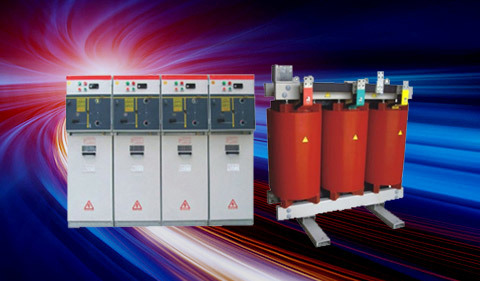
Withdrawable switchgear is a vital component in electrical distribution systems, specifically designed for transformers. It offers flexibility, allowing quick disconnection and connection to transformers without disrupting the entire system. This feature is particularly beneficial in maintenance scenarios and during fault conditions. Understanding how to select the right type of withdrawable switchgear is crucial for ensuring reliability and efficiency in your electrical installations.
2. Importance of Choosing the Right Switchgear
Selecting the proper withdrawable switchgear has far-reaching implications for your electrical system. It can affect the safety, reliability, and efficiency of power distribution. Properly selected switchgear minimizes downtime during maintenance, reduces operational risks, and aligns with regulatory requirements. A well-chosen switchgear system not only protects your transformers but also enhances the longevity of the entire electrical network.
3. Types of Withdrawable Switchgear
Before selecting the right withdrawable switchgear, it’s essential to understand the different types available. Each type has unique characteristics and applications suited to specific needs.
3.1 Air-Insulated Switchgear
Air-insulated switchgear (AIS) utilizes air as the insulating medium. It is widely used in medium voltage applications and is known for its simplicity, reliability, and ease of maintenance. AIS is ideal for outdoor installations due to its robust design and capability to withstand environmental factors.
3.2 Gas-Insulated Switchgear
Gas-insulated switchgear (GIS) employs low-pressure gas (usually sulfur hexafluoride, SF6) as an insulating medium. GIS is compact, making it suitable for installations where space is limited. Its sealed design ensures minimal maintenance needs, making it a preferred choice for urban settings.
3.3 Oil-Insulated Switchgear
Oil-insulated switchgear uses oil as both an insulating and cooling medium. This type is typically used in high voltage applications and is well-regarded for its durability and performance under extreme conditions. While it requires more maintenance than AIS and GIS systems, it is often more cost-effective for certain applications.
4. Key Factors to Consider When Selecting Switchgear
Choosing the correct withdrawable switchgear requires careful consideration of several factors. The following points will guide you through this selection process.
4.1 Voltage Rating
The voltage rating is one of the most critical factors when selecting withdrawable switchgear. Ensure that the switchgear can handle the maximum voltage your transformers will be operating at. Mismatched voltage ratings can lead to equipment failure and pose safety hazards.
4.2 Current Rating
Similar to voltage, the current rating determines the amount of electrical current the switchgear can safely carry. It should be compatible with the transformer's output to avoid overheating and potential damage.
4.3 Protection Level
Assess the protection level required for your application. Withdrawable switchgear should include features like circuit breakers and fuses to safeguard against overcurrent and short circuits. Look for compliance with industry standards for protection levels.
4.4 Accessibility and Maintenance
Consider the accessibility of the switchgear for maintenance purposes. Ease of access can significantly reduce downtime and maintenance costs. Opt for designs that facilitate straightforward maintenance operations without requiring extensive disassembly.
5. Installation of Withdrawable Switchgear
Proper installation is essential for ensuring the long-term effectiveness of withdrawable switchgear. Engage with experienced professionals for installation to adhere to all standards and protocols. Follow these best practices:
- Ensure a clean and dry environment during installation to avoid contamination.
- Verify that all connections are secure and tested before energizing the system.
- Conduct a thorough inspection of the switchgear to confirm compliance with specifications.
6. Industry Standards and Regulations
Be aware of the industry standards governing the use of withdrawable switchgear. Compliance with regulations ensures safety, reliability, and operational performance. The International Electrotechnical Commission (IEC) and the Institute of Electrical and Electronics Engineers (IEEE) provide guidelines that should be adhered to when selecting and installing switchgear.
7. Maintenance and Safety Considerations
Regular maintenance is critical to the performance of withdrawable switchgear. Follow these guidelines to maintain functionality:
- Schedule routine inspections to identify wear and tear early.
- Clean components regularly to ensure optimal performance.
- Replace any damaged parts immediately to prevent further issues.
Safety must always be a priority during maintenance procedures. Implement lockout/tagout protocols to ensure the switchgear cannot be unintentionally energized during maintenance activities.
8. Frequently Asked Questions
What is withdrawable switchgear?
Withdrawable switchgear is a type of electrical equipment designed for the safe and efficient management of electrical power distribution, allowing for easy disconnection and reconnection to transformers.
Why is it important to choose the right switchgear?
The right switchgear ensures the safety, reliability, and efficiency of your electrical systems, minimizing downtime and optimizing transformer performance.
What factors should I consider when selecting switchgear?
Consider voltage ratings, current ratings, protection levels, and maintenance accessibility when selecting withdrawable switchgear.
How often should switchgear be maintained?
Switchgear should undergo routine inspections at least annually, with regular maintenance checks to ensure optimal performance.
What are the differences between AIS, GIS, and oil-insulated switchgear?
AIS uses air for insulation, GIS uses gas, and oil-insulated switchgear uses oil. Each has unique applications, advantages, and maintenance needs based on operational environments.
9. Conclusion
Selecting the right withdrawable switchgear for your transformers is a critical decision that impacts the efficiency and safety of your electrical systems. By understanding the various types of switchgear available, key factors to consider, and industry standards, you can make informed choices that meet your operational needs. Regular maintenance and adherence to safety practices will further enhance the longevity and reliability of your switchgear, ensuring that your electrical distribution system operates smoothly for years to come.
Related News
Nantong Longxiang Electrical Equipment Co., Ltd.

sweep, mobile version!
Copyright©2024 Nantong Longxiang Electrical Equipment Co., Ltd. 丨Tag l Powered by 300.cn
Business License
 86-13057026999