




-
NEWS
Understanding the Cost-Effectiveness of Combined Transformers
Release time:
2026-06-05
Understanding the Cost-Effectiveness of Combined Transformers Table of Contents What Are Combined Transformers? The Role of Transformers in Electrical Systems Benefits of Combined Transformers Cost-Effectiveness Analysis Installation Considerations for Combined Transformers Maintenance and Reliability of Combined Transformers Case Studies: Successful
Understanding the Cost-Effectiveness of Combined Transformers
Table of Contents
- What Are Combined Transformers?
- The Role of Transformers in Electrical Systems
- Benefits of Combined Transformers
- Cost-Effectiveness Analysis
- Installation Considerations for Combined Transformers
- Maintenance and Reliability of Combined Transformers
- Case Studies: Successful Implementations
- Future Trends in Transformer Technology
- Frequently Asked Questions
What Are Combined Transformers?
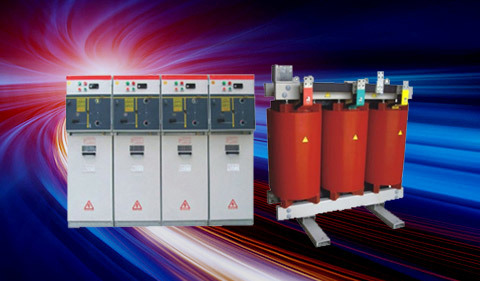
Combined transformers serve as essential components in electrical systems, integrating the functions of several devices into one compact unit. This system typically includes a transformer, a switch, and protective devices, allowing for efficient energy management and distribution. The combination of these elements simplifies design and reduces the space needed for installation.
The Role of Transformers in Electrical Systems
Transformers play a critical role in electrical systems by converting voltage levels to ensure safe and efficient power distribution. Their primary functions include:
- **Voltage Regulation**: Ensuring stable voltage levels to protect equipment.
- **Energy Efficiency**: Minimizing energy loss during transmission.
- **Safety**: Providing isolation between high and low voltage systems.
Combined transformers enhance these aspects by streamlining operations, thus improving overall system performance.
Benefits of Combined Transformers
The adoption of combined transformers brings several advantages, including:
1. **Space Efficiency**: By integrating multiple functions, the footprint of combined transformers is significantly less than that of conventional systems.
2. **Cost Savings**: Reduced installation costs and lower operational expenses contribute to overall cost-effectiveness.
3. **Simplified Maintenance**: Fewer components mean simpler maintenance routines, which can result in lower labor costs.
4. **Enhanced Reliability**: With integrated protective devices, combined transformers can better safeguard against power surges and faults.
5. **Improved Energy Management**: These systems can optimize energy distribution, leading to increased overall efficiency.
Space Efficiency in Electrical Installations
In modern electrical installations, space can be a premium. Combined transformers minimize the required footprint, allowing for more flexible design options. This is particularly beneficial in urban settings or when retrofitting older buildings with limited space.
Cost Savings Over Time
While the initial investment in combined transformers may be higher than traditional systems, the long-term savings in operational costs make them a valuable choice. Reduced energy losses and lower maintenance needs lead to significant financial benefits over the lifecycle of the transformer.
Cost-Effectiveness Analysis
To truly understand the cost-effectiveness of combined transformers, we must delve into a detailed analysis that considers both initial investment and operational efficiency.
Initial Investment vs. Long-Term Savings
The upfront cost of combined transformers can be higher than traditional transformers due to their complex design. However, the reduction in installation time, materials, and space can offset these costs. Additionally, the enhanced efficiency leads to lower energy bills.
Return on Investment (ROI)
Calculating ROI is essential for evaluating the cost-effectiveness of combined transformers. By considering factors such as energy savings, reduced maintenance, and enhanced safety, businesses can determine the payback period and overall financial benefits.
Installation Considerations for Combined Transformers
When planning the installation of combined transformers, several factors must be taken into account:
Site Assessment
Conducting a thorough assessment of the installation site is crucial. This includes evaluating electrical load requirements, space constraints, and environmental considerations.
Compliance with Standards
Adhering to local and international electrical standards is essential for safe operation. Ensure that the chosen combined transformer complies with relevant regulations to avoid future penalties.
Maintenance and Reliability of Combined Transformers
Proper maintenance is vital for the longevity and performance of combined transformers. Regular inspections and upkeep can prevent potential failures and extend the lifespan of the equipment.
Routine Inspections
Implementing a routine inspection schedule ensures that any issues are identified early. This can include checking insulation levels, testing protective devices, and verifying energy efficiency.
Predictive Maintenance Strategies
Utilizing predictive maintenance techniques can further enhance reliability. By analyzing operational data and trends, organizations can anticipate potential failures and address them proactively.
Case Studies: Successful Implementations
Examining real-world examples of combined transformers in action can provide valuable insights into their effectiveness.
Case Study 1: Urban Development Project
In a recent urban development project, a combined transformer was installed to serve multiple buildings. This not only reduced the space required but also resulted in a 20% reduction in energy costs compared to traditional systems.
Case Study 2: Manufacturing Facility Upgrade
A manufacturing facility upgraded to combined transformers and reported a 30% decrease in maintenance costs. The integration of protective devices significantly reduced downtime and improved safety levels.
Future Trends in Transformer Technology
As technology evolves, so too do the advancements in transformer design and efficiency.
Smart Transformers
The emergence of smart transformers, equipped with IoT capabilities, allows for real-time monitoring and management. These innovations can provide deeper insights into energy usage and operational efficiency.
Eco-Friendly Designs
The push for sustainability is leading to the development of eco-friendly transformer designs. Innovations in materials and cooling technologies aim to minimize the environmental impact of electrical systems.
Frequently Asked Questions
1. What is the primary advantage of using combined transformers?
The primary advantage of combined transformers is their ability to integrate multiple functions into one compact unit, resulting in space efficiency and cost savings.
2. How do combined transformers improve energy efficiency?
Combined transformers enhance energy efficiency by minimizing energy losses during transmission and optimizing voltage levels for specific applications.
3. Are combined transformers suitable for all types of electrical systems?
While combined transformers are versatile, their suitability depends on specific electrical system requirements and configurations. A careful evaluation is necessary to determine the best fit.
4. What maintenance practices are essential for combined transformers?
Routine inspections, testing of protective devices, and monitoring operational data are crucial maintenance practices to ensure the reliability and efficiency of combined transformers.
5. What are the future trends in transformer technology?
Future trends include the development of smart transformers with IoT capabilities and eco-friendly designs aimed at reducing environmental impact.
Conclusion
In conclusion, the cost-effectiveness of combined transformers is evident through their ability to enhance efficiency, reduce operational costs, and provide reliable performance in various applications. As technology continues to advance, the benefits of these systems will likely increase, making them a compelling choice for both new installations and upgrades. By understanding their advantages and considering factors such as installation and maintenance, decision-makers can leverage combined transformers to optimize their electrical systems for the future.
Related News
Nantong Longxiang Electrical Equipment Co., Ltd.

sweep, mobile version!
Copyright©2024 Nantong Longxiang Electrical Equipment Co., Ltd. 丨Tag l Powered by 300.cn
Business License
 86-13057026999