




-
NEWS
Understanding the Components of a Prefabricated Substation: A Comprehensive Guide
Release time:
2026-06-26
Understanding the Components of a Prefabricated Substation Table of Contents Introduction to Prefabricated Substations Advantages of Prefabricated Substations Key Components of a Prefabricated Substation Transformers Switchgear Protective Devices Control Systems Auxiliary Systems Design Considerations fo
Understanding the Components of a Prefabricated Substation
Table of Contents
- Introduction to Prefabricated Substations
- Advantages of Prefabricated Substations
- Key Components of a Prefabricated Substation
- Design Considerations for Prefabricated Substations
- Installation Process of Prefabricated Substations
- Maintenance and Monitoring of Prefabricated Substations
- Future Trends in Substation Design
- Conclusion
- FAQs
Introduction to Prefabricated Substations
Prefabricated substations are integral components of modern electrical infrastructure, designed to transform voltage and ensure efficient power distribution across regions. Unlike traditional substations, which are constructed on-site, prefabricated units are built in a factory setting, allowing for enhanced quality control and reduced construction time. As the demand for efficient energy solutions continues to grow, understanding the components and operations of these substations becomes increasingly important.
Advantages of Prefabricated Substations
Prefabricated substations offer several advantages that make them an attractive option for energy providers.
Cost-Effectiveness
The streamlined construction process significantly reduces labor and material costs. Additionally, the shorter installation time leads to decreased project expenses.
Reduced Construction Time
With prefabricated substations, the bulk of the work is completed off-site. This means that once delivered, the assembly and commissioning are much faster than traditional methods.
Quality Assurance
Manufacturing in a controlled environment allows for strict quality control measures, ensuring that every component meets industry standards.
Flexibility and Scalability
Prefabricated substations can be easily modified or expanded to accommodate growing energy demands. This adaptability is crucial for utility companies facing fluctuating loads.
Key Components of a Prefabricated Substation
A prefabricated substation consists of several essential components that work together to ensure efficient power distribution. Understanding these components can provide insights into their functionality and importance.
Transformers
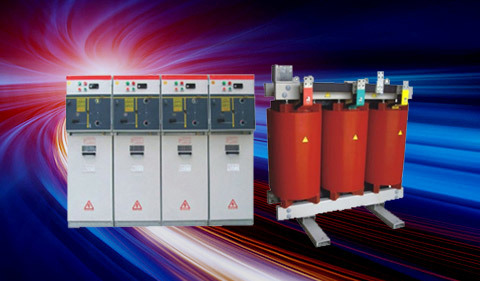
Transformers are fundamental to a prefabricated substation, as they step up or step down voltage levels to suit the needs of the electrical grid.
Types of Transformers
There are various types of transformers used in substations, including:
- **Power Transformers:** Used for high voltage applications.
- **Distribution Transformers:** Designed for lower voltage distribution.
Key Functions
Transformers ensure the safe and efficient transfer of electrical energy from one circuit to another, minimizing energy losses and improving system reliability.
Switchgear
Switchgear encompasses the switching devices and protection equipment used to control, protect, and isolate electrical equipment.
Components of Switchgear
- **Circuit Breakers:** Automatically disconnect circuits during faults.
- **Isolators:** Provide a means to safely isolate sections of the electrical system for maintenance.
Importance of Switchgear
Properly functioning switchgear ensures the stability and safety of the electrical distribution system, preventing damage during overloads or short circuits.
Protective Devices
Protective devices are crucial for detecting and responding to electrical faults. These devices include:
- **Relays:** Monitor electrical parameters and trigger circuit breakers.
- **Fuses:** Provide overcurrent protection by breaking the circuit when excessive current flows.
Control Systems
Control systems manage the operation of the substation, integrating various components to optimize performance.
SCADA Systems
Supervisory Control and Data Acquisition (SCADA) systems allow for remote monitoring and control of substations, enhancing operational efficiency and response times.
Automation
Automation technologies can streamline processes, reducing the need for manual intervention and increasing reliability.
Auxiliary Systems
Auxiliary systems support the primary functions of a prefabricated substation, providing essential services such as:
- **Lighting:** Ensures visibility for maintenance and operation.
- **Ventilation:** Maintains optimal operating temperatures for equipment.
Design Considerations for Prefabricated Substations
When designing a prefabricated substation, several factors must be taken into account to ensure optimal performance and compliance with regulations.
Site Selection
Choosing the right site is critical. Factors like proximity to power sources, accessibility, and environmental considerations can influence the overall efficiency of the substation.
Space Optimization
Prefabricated substations must be designed to maximize space utilization without compromising safety or functionality. This often involves modular designs that can be easily expanded as needed.
Compliance with Standards
Adhering to local and international regulations is essential for ensuring the safety and operability of prefabricated substations. This includes meeting electrical codes and environmental guidelines.
Installation Process of Prefabricated Substations
The installation of prefabricated substations involves several critical steps:
Delivery and Site Preparation
Once manufactured, the substation components are delivered to the predetermined site. Prior to installation, the site must be prepared, which may involve grading, foundation work, and ensuring proper access for heavy equipment.
Assembly of Components
Upon delivery, the assembly of the various components takes place. This can often be completed in a matter of days, significantly reducing the time to operational readiness.
Testing and Commissioning
After assembly, rigorous testing is conducted to ensure all systems are functioning correctly. This includes checking electrical connections, control systems, and safety protocols before the substation is officially commissioned for use.
Maintenance and Monitoring of Prefabricated Substations
Regular maintenance and monitoring are crucial to the longevity and reliability of prefabricated substations.
Routine Inspections
Periodic inspections help identify potential issues before they escalate. This includes checking for signs of wear, testing protective devices, and ensuring proper operation of transformers and switchgear.
Condition Monitoring Technologies
Implementing condition monitoring technologies can enhance the reliability of maintenance practices. These systems can provide real-time data on equipment performance, allowing for proactive measures to be taken.
Future Trends in Substation Design
As technology advances, the design and functionality of prefabricated substations continue to evolve.
Smart Grid Integration
The integration of smart grid technologies allows for enhanced communication and control, improving the efficiency of power distribution and demand response capabilities.
Renewable Energy Adaptation
With the increasing reliance on renewable energy sources, substations must be designed to accommodate energy generated from solar, wind, and other alternative sources, ensuring a seamless transition to greener energy solutions.
Environmental Sustainability
Future designs will prioritize environmental sustainability, focusing on reducing carbon footprints and promoting energy efficiency.
Conclusion
Understanding the components of a prefabricated substation is essential for professionals in the electrical industry. These units play a crucial role in ensuring efficient and reliable power distribution. By comprehending their key components—transformers, switchgear, protective devices, control systems, and auxiliary systems—stakeholders can make informed decisions about design, installation, and maintenance. As technology progresses, staying abreast of trends in substation design will help utility companies adapt to changing energy landscapes and enhance overall operational efficiency.
FAQs
What is a prefabricated substation?
A prefabricated substation is a pre-assembled electrical distribution unit, manufactured off-site for quicker installation and reduced costs.
What are the main components of a prefabricated substation?
The main components include transformers, switchgear, protective devices, control systems, and auxiliary systems.
How does a prefabricated substation differ from traditional substations?
Prefabricated substations are constructed in a controlled environment and delivered as a complete unit, whereas traditional substations are built on-site.
What are the benefits of using prefabricated substations?
Benefits include reduced construction time, lower costs, enhanced quality control, and greater flexibility.
What maintenance practices are essential for prefabricated substations?
Routine inspections, condition monitoring, and regular testing of equipment are crucial for maintaining performance and reliability.
Related News
Nantong Longxiang Electrical Equipment Co., Ltd.

sweep, mobile version!
Copyright©2024 Nantong Longxiang Electrical Equipment Co., Ltd. 丨Tag l Powered by 300.cn
Business License
 86-13057026999