




-
NEWS
Understanding Combined Transformers: A Comprehensive Overview for Electrical Professionals
Release time:
2026-06-29
Combined transformers, often referred to as hybrid transformers, integrate multiple functionalities within a single unit. This innovative design allows for the simultaneous performance of voltage transformation and various electrical tasks, such as protection, measurement, and other auxiliary functions. The primary objective of a combined transformer is to optimize space and improve the efficiency
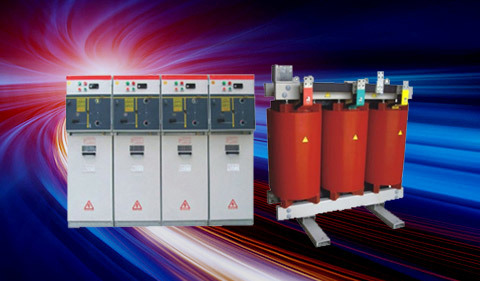
Combined transformers, often referred to as hybrid transformers, integrate multiple functionalities within a single unit. This innovative design allows for the simultaneous performance of voltage transformation and various electrical tasks, such as protection, measurement, and other auxiliary functions. The primary objective of a combined transformer is to optimize space and improve the efficiency of electrical systems, particularly in substations and industrial applications.
One of the key advantages of a combined transformer is its compact design. By consolidating multiple components into a single unit, these transformers can significantly reduce the physical footprint required for installation. This is particularly beneficial in urban environments where space limitations are a critical concern. Additionally, the integration of various functions minimizes installation time and complexity, leading to reduced labor costs and faster commissioning.
From a technical perspective, combined transformers incorporate various functionalities, including voltage transformation, current measurement, and protection relays. They can be designed to operate in different configurations, such as step-up or step-down, based on the specific requirements of the electrical system. This versatility makes them suitable for a wide range of applications, including renewable energy systems, industrial power distribution, and commercial installations.
Another notable feature of combined transformers is their ability to enhance system reliability. By integrating multiple functions, these transformers reduce the number of separate devices needed in a system, thereby minimizing points of failure. This reliability is critical in maintaining the continuous operation of electrical systems, particularly in mission-critical applications where downtime can result in significant financial losses.
However, it’s essential to consider certain factors when selecting and implementing combined transformers. The design and specifications must align with the unique requirements of the application, including load characteristics, environmental conditions, and regulatory standards. Professional evaluation and adherence to best practices during installation and maintenance are crucial to ensure optimal performance and longevity of the transformer.
In summary, combined transformers represent a significant advancement in electrical engineering, offering a blend of efficiency, reliability, and space-saving benefits. Their multifunctional capabilities make them a valuable asset in modern electrical systems, catering to the evolving demands of various industries. Understanding the intricacies of these devices can empower professionals in the electrical field to make informed decisions that enhance system performance and operational efficiency.
One of the key advantages of a combined transformer is its compact design. By consolidating multiple components into a single unit, these transformers can significantly reduce the physical footprint required for installation. This is particularly beneficial in urban environments where space limitations are a critical concern. Additionally, the integration of various functions minimizes installation time and complexity, leading to reduced labor costs and faster commissioning.
From a technical perspective, combined transformers incorporate various functionalities, including voltage transformation, current measurement, and protection relays. They can be designed to operate in different configurations, such as step-up or step-down, based on the specific requirements of the electrical system. This versatility makes them suitable for a wide range of applications, including renewable energy systems, industrial power distribution, and commercial installations.
Another notable feature of combined transformers is their ability to enhance system reliability. By integrating multiple functions, these transformers reduce the number of separate devices needed in a system, thereby minimizing points of failure. This reliability is critical in maintaining the continuous operation of electrical systems, particularly in mission-critical applications where downtime can result in significant financial losses.
However, it’s essential to consider certain factors when selecting and implementing combined transformers. The design and specifications must align with the unique requirements of the application, including load characteristics, environmental conditions, and regulatory standards. Professional evaluation and adherence to best practices during installation and maintenance are crucial to ensure optimal performance and longevity of the transformer.
In summary, combined transformers represent a significant advancement in electrical engineering, offering a blend of efficiency, reliability, and space-saving benefits. Their multifunctional capabilities make them a valuable asset in modern electrical systems, catering to the evolving demands of various industries. Understanding the intricacies of these devices can empower professionals in the electrical field to make informed decisions that enhance system performance and operational efficiency.
Related News
Nantong Longxiang Electrical Equipment Co., Ltd.

sweep, mobile version!
Copyright©2024 Nantong Longxiang Electrical Equipment Co., Ltd. 丨Tag l Powered by 300.cn
Business License
 86-13057026999