




-
NEWS
Three-Phase Resin Insulated Dry Transformers: Eco-Friendly Power Solutions for Sustainable Energy Needs
Release time:
2026-07-02
Three-Phase Resin Insulated Dry Transformers: Eco-Friendly Power Solutions Table of Contents 1. Introduction to Three-Phase Resin Insulated Dry Transformers 2. What Are Three-Phase Resin Insulated Dry Transformers? 3. Advantages of Using Three-Phase Resin Insulated Dry Transformers 3.1 Environmental Benefits 3.2 Energy Efficiency 3.3 Safety Features 4. Applicat
Three-Phase Resin Insulated Dry Transformers: Eco-Friendly Power Solutions
Table of Contents
- 1. Introduction to Three-Phase Resin Insulated Dry Transformers
- 2. What Are Three-Phase Resin Insulated Dry Transformers?
- 3. Advantages of Using Three-Phase Resin Insulated Dry Transformers
- 4. Applications of Three-Phase Resin Insulated Dry Transformers
- 5. Installation and Maintenance of Dry Transformers
- 6. Comparison with Oil-Immersed Transformers
- 7. The Future of Three-Phase Resin Insulated Dry Transformers
- 8. FAQs
- 9. Conclusion
1. Introduction to Three-Phase Resin Insulated Dry Transformers
In today's rapidly evolving energy landscape, the need for **sustainable and efficient power solutions** has never been more critical. As industries and communities increasingly seek ways to reduce their environmental footprint, the role of **three-phase resin insulated dry transformers** becomes paramount. These transformers not only offer reliability and performance but also align perfectly with the principles of eco-friendly energy management. In this article, we will delve into the intricacies of these transformers, exploring their advantages, applications, and future potential.
2. What Are Three-Phase Resin Insulated Dry Transformers?
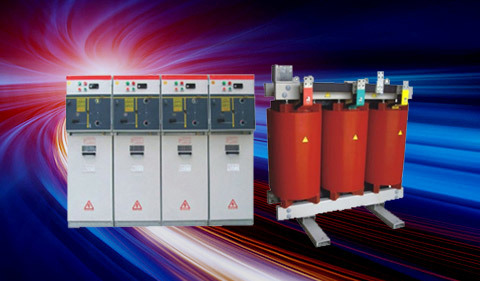
Three-phase resin insulated dry transformers are electrical devices designed to transfer electrical energy between circuits through electromagnetic induction. Unlike traditional oil-immersed transformers, these devices use a **resin-based insulation system** that provides high dielectric strength and excellent thermal performance. They are particularly suited for environments where safety precautions against fire and leakage are paramount.
3. Advantages of Using Three-Phase Resin Insulated Dry Transformers
There are numerous advantages associated with the use of three-phase resin insulated dry transformers, particularly when it comes to **environmental sustainability and operational efficiency**.
3.1 Environmental Benefits
One of the most significant advantages of resin insulated transformers is their minimal environmental impact. They are typically free from hazardous substances, such as **polychlorinated biphenyls (PCBs)**, commonly found in oil-based systems. This characteristic makes them an ideal choice for **eco-conscious projects**. Additionally, their use of **non-toxic materials** and reduced risk of oil leakage contribute to a safer environment.
3.2 Energy Efficiency
Energy efficiency is a critical factor in modern power systems. Three-phase resin insulated dry transformers are designed to minimize energy loss during the transformation process. They exhibit **lower no-load and load losses**, resulting in improved overall efficiency. This efficiency not only translates to cost savings but also reduces the carbon footprint associated with energy production.
3.3 Safety Features
Safety is a paramount concern in electrical systems, and three-phase resin insulated dry transformers excel in this regard. Their solid insulation and lack of flammable materials reduce the risk of fire hazards significantly. Moreover, these transformers are often equipped with advanced **temperature monitoring systems**, ensuring that any overheating issues are promptly addressed. This heightened safety profile makes them suitable for applications in urban areas and sensitive environments.
4. Applications of Three-Phase Resin Insulated Dry Transformers
Three-phase resin insulated dry transformers find use across various sectors, reflecting their versatility and reliability. Some key applications include:
4.1 Industrial Applications
In industrial settings, these transformers are used to power heavy machinery, provide reliable electricity for manufacturing processes, and ensure operational continuity. Their durability and efficiency make them a preferred choice for production facilities.
4.2 Commercial Buildings
Commercial buildings benefit from these transformers as they offer reliable power distribution for lighting, HVAC systems, and office equipment. Their compact design allows for installation in limited spaces, enhancing their attractiveness for urban development.
4.3 Renewable Energy Integration
As the world shifts towards renewable energy sources, three-phase resin insulated dry transformers play a crucial role in integrating solar, wind, and other renewable technologies into existing power grids. They help manage the variable nature of renewable energy, ensuring a stable and reliable power supply.
4.4 Transportation Sector
In the transportation industry, these transformers are essential for electric railways and charging stations for electric vehicles. Their robust design and safety features make them ideal for high-demand applications where dependability is critical.
5. Installation and Maintenance of Dry Transformers
Proper installation and maintenance are vital to ensure the longevity and efficiency of three-phase resin insulated dry transformers.
5.1 Installation Guidelines
Installing these transformers requires adherence to specific guidelines to ensure optimal performance. Key considerations include:
- **Location**: Choose a dry and well-ventilated area, away from direct sunlight and moisture.
- **Foundation**: Ensure a stable foundation to support the weight and prevent vibrations.
- **Electrical Connections**: Follow the manufacturer's specifications for wiring and connections to prevent operational issues.
5.2 Maintenance Practices
Regular maintenance is crucial to maximize the lifespan of three-phase resin insulated dry transformers. Recommended practices include:
- **Visual Inspections**: Regularly check for signs of wear, rust, or any physical damage.
- **Thermal Imaging**: Monitor hotspots that may indicate potential failures.
- **Routine Testing**: Conduct electrical tests to assess insulation resistance and overall performance.
6. Comparison with Oil-Immersed Transformers
When comparing three-phase resin insulated dry transformers with oil-immersed transformers, several distinctions emerge.
6.1 Environmental Impact
Oil-immersed transformers pose environmental risks due to potential oil leaks, while resin insulated transformers eliminate this concern entirely.
6.2 Maintenance Requirements
Oil-immersed transformers require frequent checks of oil levels and quality, whereas resin insulated transformers need less maintenance, saving time and resources.
6.3 Installation Flexibility
The compact design of three-phase resin insulated dry transformers allows for flexible installation options, especially beneficial in urban environments where space is limited.
7. The Future of Three-Phase Resin Insulated Dry Transformers
The future of three-phase resin insulated dry transformers looks promising, driven by the global transition towards **renewable energy** and increased demand for **eco-friendly solutions**. As technological advancements continue to enhance their efficiency and safety, we expect to see more widespread adoption across various industries.
Innovations in materials and design will further reduce energy losses, making these transformers even more attractive for businesses looking to lower operational costs and environmental impact.
8. FAQs
8.1 What is the main advantage of resin insulated dry transformers?
The primary advantage is their **environmental safety** due to the absence of flammable oils, making them suitable for various applications, including urban and industrial settings.
8.2 How often should maintenance be performed on these transformers?
Regular maintenance checks should be conducted at least once a year, focusing on visual inspections and thermal imaging for potential issues.
8.3 Can these transformers be used in renewable energy applications?
Yes, they are ideal for integrating renewable energy sources, ensuring stable and reliable power distribution.
8.4 What is the lifespan of a three-phase resin insulated dry transformer?
With proper maintenance, these transformers can have a lifespan of 20-30 years.
8.5 Are they cost-effective compared to oil-immersed transformers?
While the initial investment may be higher, their lower maintenance costs and energy efficiency often make them more cost-effective in the long run.
9. Conclusion
Three-phase resin insulated dry transformers represent a significant advancement in the field of electrical engineering, providing **eco-friendly power solutions** that meet the demands of modern society. With their numerous advantages, including environmental safety, energy efficiency, and low maintenance requirements, these transformers are poised to play a vital role in the future of sustainable energy. As industries and communities continue to shift towards greener practices, embracing these advanced transformers will be essential in building a more sustainable world.
Related News
Nantong Longxiang Electrical Equipment Co., Ltd.

sweep, mobile version!
Copyright©2024 Nantong Longxiang Electrical Equipment Co., Ltd. 丨Tag l Powered by 300.cn
Business License
 86-13057026999