




-
NEWS
Understanding Three-Phase Transformers: An Essential Component in Electrical Engineering
Release time:
2026-07-11
Three-phase transformers are pivotal in the domain of electrical engineering, particularly when it comes to power distribution and industrial applications. These transformers are designed to convert voltages from one level to another in three-phase electrical systems, which are prevalent in various sectors due to their efficiency and reliability. One of the primary advantages of three-phase transf
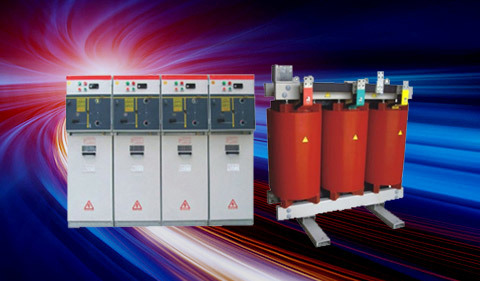
Three-phase transformers are pivotal in the domain of electrical engineering, particularly when it comes to power distribution and industrial applications. These transformers are designed to convert voltages from one level to another in three-phase electrical systems, which are prevalent in various sectors due to their efficiency and reliability.
One of the primary advantages of three-phase transformers is their ability to handle larger loads compared to single-phase transformers. This capability stems from the fact that three-phase systems utilize three separate alternating currents, which can deliver more power while maintaining a balanced load. This balance reduces the amount of energy lost as heat, making three-phase transformers a more efficient choice for industrial applications.
The construction of three-phase transformers typically involves a core made of laminated silicon steel, which minimizes energy losses due to eddy currents. The windings are configured in either delta or wye (star) arrangements, each offering distinct operational characteristics. The delta configuration is often used for industrial applications where high starting torque is required, while the wye configuration is commonly employed for grid connections and higher voltage applications.
In operation, three-phase transformers can efficiently manage voltage transformation while ensuring that the phase relationships between the currents remain stable. This stability is crucial for maintaining the performance of motors and other equipment connected to the transformer, thereby reducing downtime and maintenance costs.
Three-phase transformers also play a vital role in power factor correction and management. By utilizing these transformers, industries can improve their power factor, which enhances the efficiency of the electrical system and reduces the risk of penalties from utility providers. This aspect is particularly important in areas with stringent regulations regarding power consumption and efficiency.
Moreover, three-phase transformers are integral in renewable energy systems, such as wind and solar power installations. They facilitate the integration of generated power into the grid, ensuring that the energy produced is synchronized with the existing three-phase systems, thus supporting a seamless transition to sustainable energy sources.
In conclusion, three-phase transformers are essential components in the electrical engineering landscape, providing enhanced efficiency, reliability, and performance in a variety of applications. Understanding their construction, operation, and applications is crucial for professionals looking to optimize energy distribution and management in their respective fields. As industries continue to evolve towards more sustainable practices, the importance of three-phase transformers will only continue to grow.
One of the primary advantages of three-phase transformers is their ability to handle larger loads compared to single-phase transformers. This capability stems from the fact that three-phase systems utilize three separate alternating currents, which can deliver more power while maintaining a balanced load. This balance reduces the amount of energy lost as heat, making three-phase transformers a more efficient choice for industrial applications.
The construction of three-phase transformers typically involves a core made of laminated silicon steel, which minimizes energy losses due to eddy currents. The windings are configured in either delta or wye (star) arrangements, each offering distinct operational characteristics. The delta configuration is often used for industrial applications where high starting torque is required, while the wye configuration is commonly employed for grid connections and higher voltage applications.
In operation, three-phase transformers can efficiently manage voltage transformation while ensuring that the phase relationships between the currents remain stable. This stability is crucial for maintaining the performance of motors and other equipment connected to the transformer, thereby reducing downtime and maintenance costs.
Three-phase transformers also play a vital role in power factor correction and management. By utilizing these transformers, industries can improve their power factor, which enhances the efficiency of the electrical system and reduces the risk of penalties from utility providers. This aspect is particularly important in areas with stringent regulations regarding power consumption and efficiency.
Moreover, three-phase transformers are integral in renewable energy systems, such as wind and solar power installations. They facilitate the integration of generated power into the grid, ensuring that the energy produced is synchronized with the existing three-phase systems, thus supporting a seamless transition to sustainable energy sources.
In conclusion, three-phase transformers are essential components in the electrical engineering landscape, providing enhanced efficiency, reliability, and performance in a variety of applications. Understanding their construction, operation, and applications is crucial for professionals looking to optimize energy distribution and management in their respective fields. As industries continue to evolve towards more sustainable practices, the importance of three-phase transformers will only continue to grow.
Related News
Nantong Longxiang Electrical Equipment Co., Ltd.

sweep, mobile version!
Copyright©2024 Nantong Longxiang Electrical Equipment Co., Ltd. 丨Tag l Powered by 300.cn
Business License
 86-13057026999