




-
NEWS
Three-Phase Transformers: A Comprehensive Guide to Understanding Their Operation
Release time:
2026-08-07
Three-Phase Transformers: A Comprehensive Guide to Understanding Their Operation Table of Contents 1. Introduction to Three-Phase Transformers 2. The Importance of Three-Phase Systems in Electrical Power 3. Design and Construction of Three-Phase Transformers 3.1 Core Type vs. Shell Type Transformers 3.2 Winding Configurations: Delta and Wye 4. Operational Principles of Three-Phase Tr
Three-Phase Transformers: A Comprehensive Guide to Understanding Their Operation
Table of Contents
1. Introduction to Three-Phase Transformers
2. The Importance of Three-Phase Systems in Electrical Power
3. Design and Construction of Three-Phase Transformers
3.1 Core Type vs. Shell Type Transformers
3.2 Winding Configurations: Delta and Wye
4. Operational Principles of Three-Phase Transformers
4.1 Electromagnetic Induction in Transformers
4.2 Phase Shift and Voltage Conversion
5. Key Advantages of Using Three-Phase Transformers
6. Applications of Three-Phase Transformers in Various Industries
7. Maintenance and Troubleshooting Tips for Three-Phase Transformers
8. Frequently Asked Questions (FAQs)
9. Conclusion
1. Introduction to Three-Phase Transformers
Three-phase transformers are crucial components in the transformation and distribution of electrical energy. These devices convert electrical voltage from one level to another while ensuring that the power remains balanced and efficient. Understanding the operation of three-phase transformers is essential for engineers, technicians, and anyone involved in electrical power systems. This guide provides a comprehensive overview of their design, function, and applications.
2. The Importance of Three-Phase Systems in Electrical Power
Three-phase systems offer significant advantages over single-phase systems, especially in industrial and commercial applications. The three-phase setup ensures a more constant power supply, reduces the amount of copper required for wiring, and enhances the efficiency of motors and other electrical devices. The use of three-phase transformers allows for seamless integration of these systems into the larger electrical grid.
3. Design and Construction of Three-Phase Transformers
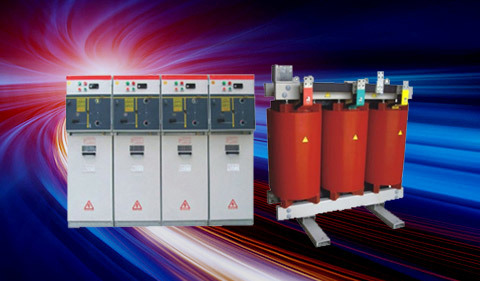
The design and construction of three-phase transformers are pivotal to their performance in power distribution systems. They typically consist of several key components, including the core, windings, and insulation.
3.1 Core Type vs. Shell Type Transformers
Three-phase transformers come in two primary types: core type and shell type. Core type transformers have windings surrounding a common core, while shell type transformers feature a core that encloses the windings. Each type has its advantages regarding efficiency, size, and heat dissipation.
3.2 Winding Configurations: Delta and Wye
Winding configurations play a critical role in the operation of three-phase transformers. Delta (Δ) and Wye (Y) configurations are the two most common setups. Delta connections provide robust performance under heavy loads, while Wye configurations are typically used for grounding and voltage transformation. Understanding these configurations is crucial for optimizing transformer performance.
4. Operational Principles of Three-Phase Transformers
The operation of three-phase transformers hinges on the principles of electromagnetic induction. These transformers work by transferring electrical energy between coils of wire through a magnetic field.
4.1 Electromagnetic Induction in Transformers
When an alternating current flows through the primary winding of a transformer, it creates a magnetic field that induces a voltage in the secondary winding. This principle of electromagnetic induction is the foundation of transformer operation.
4.2 Phase Shift and Voltage Conversion
Three-phase transformers can step up or step down voltage levels, and they introduce a phase shift between the primary and secondary circuits. This phase shift is essential for maintaining the balance of the three-phase system, ensuring efficient power distribution.
5. Key Advantages of Using Three-Phase Transformers
Three-phase transformers offer several benefits, making them superior to single-phase transformers in many applications. Some key advantages include:
- **Higher Efficiency**: Three-phase transformers operate more efficiently, minimizing energy losses during voltage conversion.
- **Reduced Size**: They require less copper and iron for construction, making them lighter and more compact.
- **Stability**: The continuous power flow in a three-phase system ensures a stable energy supply, which is particularly beneficial for industrial operations.
- **Flexibility**: Three-phase transformers can be configured to meet specific voltage and phase requirements, offering versatility in various applications.
6. Applications of Three-Phase Transformers in Various Industries
Three-phase transformers are widely used across many industries, including:
- **Industrial Manufacturing**: Powering motors and heavy machinery.
- **Utility Companies**: Transforming voltage levels for efficient electricity distribution.
- **Renewable Energy**: Integrating wind and solar power into the electrical grid.
- **Commercial Buildings**: Supplying power for HVAC systems, lighting, and other essential services.
7. Maintenance and Troubleshooting Tips for Three-Phase Transformers
Regular maintenance of three-phase transformers is essential to ensure their longevity and reliability. Key maintenance practices include:
- **Regular Inspections**: Check for signs of wear, overheating, or corrosion.
- **Testing Insulation Resistance**: Ensuring insulation integrity to prevent short circuits.
- **Monitoring Operating Temperatures**: Keeping an eye on temperature levels to avoid overheating.
- **Oil Analysis**: If applicable, analyzing the transformer oil for contaminants can provide insights into potential issues.
8. Frequently Asked Questions (FAQs)
What is the primary function of a three-phase transformer?
The primary function of a three-phase transformer is to convert voltage levels in a three-phase electrical system, ensuring efficient power distribution.
How do delta and wye configurations affect transformer performance?
Delta configurations provide robust performance under heavy loads, while Wye configurations facilitate grounding and voltage transformation, impacting stability and efficiency.
What are the signs of a failing three-phase transformer?
Signs of a failing transformer include unusual noises, overheating, frequent tripping of circuit breakers, and visible physical damage.
How often should three-phase transformers be maintained?
It’s recommended to conduct inspections and maintenance at least once a year or as per the manufacturer's guidelines.
Can three-phase transformers be used in renewable energy applications?
Yes, three-phase transformers are widely used in renewable energy systems to integrate wind and solar power into the main electrical grid.
9. Conclusion
Understanding three-phase transformers is essential for anyone involved in electrical engineering and power distribution. Their design, operational principles, and applications showcase their importance in modern electrical systems. Regular maintenance and awareness of their workings can significantly enhance their performance and lifespan. Armed with this knowledge, professionals and enthusiasts alike can appreciate the vital role that three-phase transformers play in ensuring a reliable and efficient power supply.
Related News
Nantong Longxiang Electrical Equipment Co., Ltd.

sweep, mobile version!
Copyright©2024 Nantong Longxiang Electrical Equipment Co., Ltd. 丨Tag l Powered by 300.cn
Business License
 86-13057026999