




-
NEWS
Understanding Combined Transformers: A Key Component in Electrical Engineering
Release time:
2026-08-22
Combined transformers, often referred to as transformer combinations, integrate multiple functionalities into a single unit. Typically, they combine the features of both voltage transformation and other electrical requirements, such as isolation or phase shifting. This amalgamation not only optimizes space utilization but also simplifies installation processes, making them a favored choice in vari
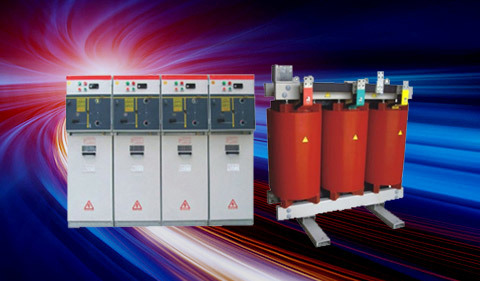
Combined transformers, often referred to as transformer combinations, integrate multiple functionalities into a single unit. Typically, they combine the features of both voltage transformation and other electrical requirements, such as isolation or phase shifting. This amalgamation not only optimizes space utilization but also simplifies installation processes, making them a favored choice in various applications.
One of the primary functions of a combined transformer is to step up or step down voltage levels as needed. By adjusting the voltage, these transformers ensure that electrical energy can effectively travel over long distances with minimal losses, which is crucial for maintaining the stability of power systems. Furthermore, they are designed to handle both three-phase and single-phase systems, making them extremely versatile.
Another significant advantage of combined transformers is their ability to provide electrical isolation. This feature is critical in protecting sensitive equipment from voltage spikes and electrical noise, thus safeguarding the integrity of electronic devices. Additionally, combined transformers can mitigate harmonics and improve power quality, which is essential for ensuring the smooth operation of industrial machines.
In terms of installation and maintenance, combined transformers prove advantageous. Since they integrate multiple functionalities, the need for additional equipment is reduced, leading to lower installation costs and simpler management. Maintenance efforts are also streamlined, as technicians can address multiple aspects of the electrical system through a single unit.
These transformers find their applications in various sectors, including manufacturing, commercial buildings, and renewable energy systems. For instance, in wind energy farms, combined transformers are employed to optimize power conversion and enhance grid integration, facilitating the transition to greener energy sources.
In conclusion, combined transformers are indispensable in the field of electrical engineering, providing a blend of efficiency, protection, and versatility. Understanding their roles and benefits can greatly enhance decision-making for engineers and project managers alike. As the demand for reliable and efficient electrical systems continues to grow, the significance of combined transformers in modern power systems cannot be overstated. Embracing this technology is essential for any industry looking to optimize its electrical infrastructure.
One of the primary functions of a combined transformer is to step up or step down voltage levels as needed. By adjusting the voltage, these transformers ensure that electrical energy can effectively travel over long distances with minimal losses, which is crucial for maintaining the stability of power systems. Furthermore, they are designed to handle both three-phase and single-phase systems, making them extremely versatile.
Another significant advantage of combined transformers is their ability to provide electrical isolation. This feature is critical in protecting sensitive equipment from voltage spikes and electrical noise, thus safeguarding the integrity of electronic devices. Additionally, combined transformers can mitigate harmonics and improve power quality, which is essential for ensuring the smooth operation of industrial machines.
In terms of installation and maintenance, combined transformers prove advantageous. Since they integrate multiple functionalities, the need for additional equipment is reduced, leading to lower installation costs and simpler management. Maintenance efforts are also streamlined, as technicians can address multiple aspects of the electrical system through a single unit.
These transformers find their applications in various sectors, including manufacturing, commercial buildings, and renewable energy systems. For instance, in wind energy farms, combined transformers are employed to optimize power conversion and enhance grid integration, facilitating the transition to greener energy sources.
In conclusion, combined transformers are indispensable in the field of electrical engineering, providing a blend of efficiency, protection, and versatility. Understanding their roles and benefits can greatly enhance decision-making for engineers and project managers alike. As the demand for reliable and efficient electrical systems continues to grow, the significance of combined transformers in modern power systems cannot be overstated. Embracing this technology is essential for any industry looking to optimize its electrical infrastructure.
Related News
Nantong Longxiang Electrical Equipment Co., Ltd.

sweep, mobile version!
Copyright©2024 Nantong Longxiang Electrical Equipment Co., Ltd. 丨Tag l Powered by 300.cn
Business License
 86-13057026999