




-
NEWS
The Relationship Between Combined Transformers and Smart Grids: Transforming the Future of Electrical Power Systems
Release time:
2026-09-30
The Relationship Between Combined Transformers and Smart Grids Understanding the Basics: What are Combined Transformers? Combined transformers serve as a crucial component in the electrical power industry. They integrate several functionalities, including voltage transformation, isolation, and regulation, into a single device. This multifunctionality not only saves space but also optimizes perform
The Relationship Between Combined Transformers and Smart Grids
Understanding the Basics: What are Combined Transformers?
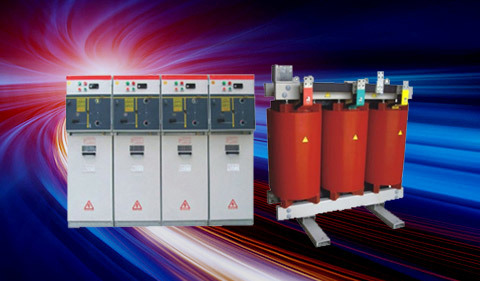
Combined transformers serve as a crucial component in the electrical power industry. They integrate several functionalities, including voltage transformation, isolation, and regulation, into a single device. This multifunctionality not only saves space but also optimizes performance and efficiency. To grasp their significance, we must first break down their various roles and how they harmonize within a smart grid framework.
The Role of Transforming Voltage Levels
Combined transformers enable the transformation of high voltage levels to lower levels suitable for residential or commercial use. They ensure that electricity reaches end-users safely and efficiently. This voltage regulation is essential for maintaining the quality of electricity supplied, thereby preventing equipment damage and ensuring consumer satisfaction.
Enhanced Isolation and Protection
Another critical function of combined transformers is isolation. They protect sensitive equipment from electrical faults and surges. By incorporating protection mechanisms directly within the transformer, system operators can achieve greater safety and reliability, essential for the intricate networks that make up smart grids.
Smart Grids: An Overview
Smart grids represent a modern approach to electricity distribution. They utilize digital technology to monitor and manage the transport of electricity from all generation sources to meet the varying electricity demands of end-users. This ensures greater efficiency, reliability, and sustainability.
Key Features of Smart Grids
Smart grids come equipped with advanced technologies that enhance communication between utilities and consumers. Some key features include:
- **Real-Time Data Analytics**: Smart grids leverage data analytics to predict demand and optimize supply.
- **Decentralized Energy Resources**: They accommodate renewable energy sources like solar and wind, integrating them seamlessly into the grid.
- **Demand Response Mechanisms**: Consumers can adjust their electricity usage based on real-time pricing, fostering energy conservation.
The Synergy Between Combined Transformers and Smart Grids
The relationship between combined transformers and smart grids is pivotal. As the backbone of modern electrical infrastructure, combined transformers enhance the capabilities of smart grids in various ways.
Improved Energy Efficiency
Combined transformers contribute significantly to the energy efficiency of smart grids. By minimizing energy losses during voltage transformation and optimizing voltage levels for distribution, they reduce the overall operational costs for utility companies. An efficient transformer can lead to savings that benefit both providers and consumers.
Facilitating Renewable Energy Integration
The integration of renewable energy sources in smart grids is made simpler with combined transformers. These transformers can efficiently manage the variable output of renewable sources, ensuring that energy is consistently available. By stabilizing voltage levels and improving grid reliability, combined transformers support a smoother transition to a renewable energy future.
Advanced Monitoring and Control Capabilities
The advent of smart technology in combined transformers has ushered in advanced monitoring and control capabilities. These features play a vital role in maintaining the overall health of the electrical grid.
Real-Time Performance Monitoring
With integrated sensors and communication technologies, combined transformers can monitor their performance in real time. This data is invaluable for grid operators, allowing them to make informed decisions about maintenance and upgrades, ultimately leading to reduced downtime and enhanced reliability.
Automated Fault Detection and Isolation
Automated systems within smart grids can quickly detect faults and isolate affected sections, thanks to the integration with combined transformers. This rapid response minimizes the impact of outages and prevents cascading failures, ensuring a more resilient power supply.
The Future of Combined Transformers in Smart Grids
As technology continues to evolve, the role of combined transformers in smart grids will likely expand. The potential for innovation in this area is vast, paving the way for even greater efficiencies and capabilities.
Emerging Technologies and Trends
- **Artificial Intelligence (AI)**: AI can enhance predictive maintenance for combined transformers, allowing for more proactive management of electrical systems.
- **Blockchain Technology**: Blockchain can facilitate secure, transparent transactions within decentralized energy markets, enhancing the role of combined transformers in energy trading.
- **Energy Storage Solutions**: The integration of energy storage systems with combined transformers will be critical in managing supply and demand effectively.
Regulatory Considerations and Standards
As the industry evolves, so too must the regulatory framework governing combined transformers and smart grids. Ensuring that standards keep pace with technological advancements will be essential for maintaining safety and efficiency in the electrical power sector.
FAQs: Common Questions About Combined Transformers and Smart Grids
1. What are the main benefits of using combined transformers in smart grids?
Combined transformers enhance energy efficiency, facilitate renewable energy integration, and improve system reliability through real-time monitoring.
2. How do combined transformers help in reducing energy losses?
By optimizing voltage levels during transmission and minimizing resistive losses, combined transformers ensure that energy is delivered efficiently.
3. Can combined transformers operate with renewable energy sources?
Yes, combined transformers are designed to handle the variable output from renewable energy sources, supporting their integration into the grid.
4. What advancements are being made in combined transformer technology?
Emerging technologies such as AI and smart sensors are being integrated into combined transformers to enhance monitoring, maintenance, and operational efficiency.
5. How do smart grids benefit from real-time data provided by combined transformers?
Real-time data helps grid operators optimize electricity flow, manage demand, and swiftly respond to outages, contributing to a more reliable power supply.
Conclusion
The relationship between combined transformers and smart grids is a cornerstone of modern electrical infrastructure. By enhancing energy efficiency, facilitating renewable energy integration, and providing advanced monitoring capabilities, combined transformers play a vital role in the evolution of smart grids. As technology continues to advance, the synergy between these two elements will create a more resilient, reliable, and sustainable electrical power system for future generations. Understanding and investing in this relationship is essential for stakeholders across the energy sector, ensuring that we are well-prepared for the challenges and opportunities that lie ahead.
Related News
Nantong Longxiang Electrical Equipment Co., Ltd.

sweep, mobile version!
Copyright©2024 Nantong Longxiang Electrical Equipment Co., Ltd. 丨Tag l Powered by 300.cn
Business License
 86-13057026999