




-
NEWS
Dry-Type Transformers Gain Wider Adoption as Safety and Energy Efficiency Drive Market Growth
Release time:
2025-12-18
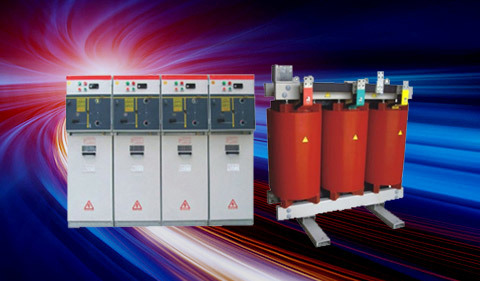
Dry-type transformers provide safe, fire-resistant, low-maintenance power distribution for buildings and industry
In recent years, the global power and energy industry has experienced steady transformation, with increased focus on safety, efficiency, and environmental protection. Against this backdrop, dry-type transformers have gained significant attention and are being widely adopted across industrial, commercial, and infrastructure projects. Their fire-resistant design, low maintenance requirements, and environmentally friendly operation make them an increasingly preferred alternative to traditional oil-immersed transformers.
Dry-type transformers use air or solid insulation systems instead of liquid insulating oil. This design eliminates the risk of oil leakage and fire hazards, making them especially suitable for indoor installations and densely populated areas. As urbanization accelerates and safety standards become stricter, dry-type transformers are playing a critical role in modern power distribution systems.
Rising Demand from Urban and Commercial Applications
One of the key drivers behind the growing demand for dry-type transformers is rapid urban development. High-rise buildings, shopping malls, hospitals, data centers, airports, and subway systems all require reliable and safe electrical equipment. Dry-type transformers meet these requirements by offering high fire resistance and stable performance without the need for oil containment systems.
In commercial buildings, dry-type transformers are often installed close to load centers, reducing energy losses during transmission. Their compact structure and flexible installation options allow engineers to optimize space usage, an important consideration in modern architectural design.
Enhanced Safety and Environmental Benefits
Safety remains a top priority in electrical infrastructure, and dry-type transformers deliver clear advantages in this area. Without flammable insulating oil, the risk of fire and explosion is significantly reduced. Many dry-type transformers are designed with self-extinguishing insulation materials, further enhancing operational safety.
From an environmental perspective, dry-type transformers contribute to cleaner and more sustainable power systems. The absence of oil eliminates the possibility of soil and water contamination caused by leaks. This makes dry-type transformers particularly suitable for environmentally sensitive locations such as hospitals, schools, underground facilities, and residential complexes.
Technological Advancements Improve Performance
Ongoing technological innovation has greatly improved the performance and efficiency of dry-type transformers. Advanced insulation materials, optimized winding structures, and improved cooling designs enable these transformers to operate efficiently under heavy loads while maintaining low noise levels.
Modern dry-type transformers are also designed to meet higher energy efficiency standards. Reduced no-load and load losses help lower overall electricity consumption, supporting global efforts to reduce carbon emissions. Intelligent monitoring systems are increasingly integrated, allowing real-time temperature tracking and fault detection to ensure stable long-term operation.
Expanding Use in Renewable Energy and Industry
Beyond traditional building applications, dry-type transformers are finding growing use in renewable energy projects and industrial facilities. Solar power plants, wind farms, and energy storage systems often require transformers that can operate reliably under fluctuating loads and harsh conditions. Dry-type transformers offer strong thermal performance and minimal maintenance, making them suitable for these demanding environments.
In industrial settings, such as manufacturing plants and chemical facilities, dry-type transformers provide reliable power distribution while meeting strict safety and compliance requirements. Their ability to operate in dusty, humid, or confined spaces further expands their range of applications.
Global Market Outlook and Industry Trends
The global market for dry-type transformers is expected to maintain steady growth over the coming years. Increased investment in power infrastructure, smart grids, and renewable energy systems continues to create new opportunities. Emerging markets are showing strong demand as governments modernize electrical networks and adopt higher safety standards.
Manufacturers are responding by offering customized dry-type transformer solutions, including different voltage levels, capacity ranges, and insulation classes. International certifications such as IEC, CE, and ISO are becoming essential for global market access, while OEM and project-based supply models are gaining popularity among contractors and utility companies.
Conclusion
As the demand for safe, efficient, and environmentally responsible power solutions grows, dry-type transformers are becoming an essential component of modern electrical systems. With continuous technological improvements and expanding application scenarios, they are well positioned to support future urban development, industrial growth, and energy transition initiatives worldwide.
Related News
Nantong Longxiang Electrical Equipment Co., Ltd.

sweep, mobile version!
Copyright©2024 Nantong Longxiang Electrical Equipment Co., Ltd. 丨Tag l Powered by 300.cn
 86-13057026999