




-
NEWS
European Ring Network Transformers: The Backbone of Modern Electrical Grids
Release time:
2026-03-18
The newest European ring network transformer company offers advanced solutions for reliable and efficient power distribution
In the ever-evolving landscape of power distribution, European ring network transformers have become essential components in the efficient functioning of modern electrical grids. These transformers play a crucial role in ensuring that power reaches end-users with minimal disruption, maintaining grid stability, and enabling future advancements in electrical infrastructure. The growing demand for more sustainable, reliable, and flexible energy solutions has put a spotlight on these robust systems, with the European Union driving significant innovations in the field.
What is a Ring Network Transformer?
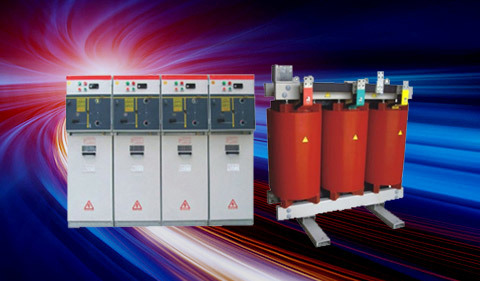
A ring network transformer is a type of electrical transformer used in ring network configurations. In a ring network, electricity flows in a circular loop, with power being supplied from multiple points. The design of this network allows for greater flexibility and reliability compared to traditional radial networks, where power flows in a single direction. Ring network transformers are integral in maintaining a consistent voltage level and distributing power evenly throughout the grid.
In Europe, these transformers are typically installed in urban and industrial areas, ensuring that power is reliably distributed to a large number of consumers. Their ability to isolate faults, reroute electricity, and automatically restore power makes them highly desirable for grid operators seeking to optimize performance and minimize downtime.
The Role of Ring Network Transformers in Europe's Energy Transition
As Europe continues to push for a green and sustainable energy transition, ring network transformers have become more important than ever. The integration of renewable energy sources, such as wind and solar power, into the grid requires advanced systems that can handle the fluctuating nature of these energy sources. Ring network transformers provide the necessary flexibility to accommodate renewable energy inputs, balancing supply and demand in real-time.
Additionally, these transformers play a significant role in the expansion of smart grids, which are designed to increase the efficiency, reliability, and sustainability of power distribution. Smart grids require sophisticated equipment that can handle real-time data and adjust power flows accordingly. Ring network transformers are increasingly being adapted to meet these needs, with digital sensors and monitoring systems being integrated to provide precise control over electrical distribution.
Advantages of European Ring Network Transformers
Reliability and Redundancy: The ring network configuration provides multiple paths for electricity to flow, ensuring that if one part of the grid fails, power can still be supplied through alternative routes. This redundancy minimizes the risk of outages and improves overall grid reliability.
Fault Isolation and Self-Healing Capabilities: When faults occur, ring network transformers can isolate the affected section of the grid and automatically reroute power to maintain service to consumers. This self-healing capability reduces downtime and enhances grid resilience.
Scalability: European ring network transformers can be easily integrated into existing infrastructure, making them highly scalable. As demand for electricity grows or as renewable energy sources are added to the grid, these transformers can be adapted to handle the increased load.
Energy Efficiency: Ring network transformers help maintain consistent voltage levels, reducing energy losses and improving overall energy efficiency. This is particularly important as Europe seeks to meet ambitious carbon reduction targets and reduce the environmental impact of power generation.
Support for Renewable Energy Integration: With the rise of renewable energy sources, the flexibility of ring network transformers is crucial in managing the intermittent nature of these energy sources. By balancing supply and demand effectively, these transformers ensure that renewable energy can be seamlessly integrated into the grid.
Challenges and Innovations in Ring Network Transformer Technology
While ring network transformers offer many advantages, they also face several challenges. One of the main issues is the complexity of designing and maintaining such systems, especially as grids become more interconnected and complex. The integration of digital technologies, such as sensors and real-time monitoring, is helping to overcome some of these challenges by providing operators with more data to manage and optimize performance.
Another challenge is the need for ongoing investment in infrastructure. As European countries continue to modernize their electrical grids, the demand for advanced transformers and other grid technologies is growing. Governments and utilities must work together to ensure that investments are made in the right areas to maintain a reliable, sustainable, and efficient power distribution system.
Conclusion
European ring network transformers represent a key component in the future of energy distribution. As the world moves toward cleaner, more sustainable energy solutions, the role of these transformers in facilitating a stable and resilient electrical grid cannot be overstated. With their reliability, fault isolation capabilities, and adaptability to renewable energy integration, they are poised to play a critical role in Europe’s energy transition. As innovations in digital technology continue to advance, ring network transformers will only become more efficient, ensuring that Europe’s electrical grid remains at the forefront of modern energy distribution.
Related News
Nantong Longxiang Electrical Equipment Co., Ltd.

sweep, mobile version!
Copyright©2024 Nantong Longxiang Electrical Equipment Co., Ltd. 丨Tag l Powered by 300.cn
 86-13057026999